The Water Taxi Market in Europe Region is expanding as coastal cities, island territories, inland waterways, and major tourism hubs shift toward cleaner, more efficient marine mobility solutions. With increased congestion in urban road networks and renewed emphasis on environmentally conscious transportation, water taxis have emerged as essential components of Europe’s sustainable transport evolution. These services support daily commuters, tourists, business travelers, and residents living across riverbanks, coastal belts, archipelagos, and maritime corridors.
The Water Taxi Industry in Europe Region reflects a larger continental movement toward integrating waterways into mainstream public transport networks. European cities have historically been shaped by rivers, canals, and coastlines, and there is growing recognition that these natural corridors can be revitalized to ease congestion, reduce emissions, improve travel times, and enhance passenger experiences. As governments invest in maritime modernization programs, green transport initiatives, and digital ticketing ecosystems, the industry is gaining momentum across multiple European territories.
The modern Water Taxi Industry in Europe Region blends tradition with innovation. Historic wooden boats have evolved into hybrid electric vessels, autonomous prototypes, and fully electric water shuttles that mirror Europe’s climate goals. Whether crossing canals in Venice, traveling along the Danube, navigating the Baltic Sea, servicing Scandinavian fjords, or connecting Mediterranean islands, the industry is shaping a new era of marine mobility.
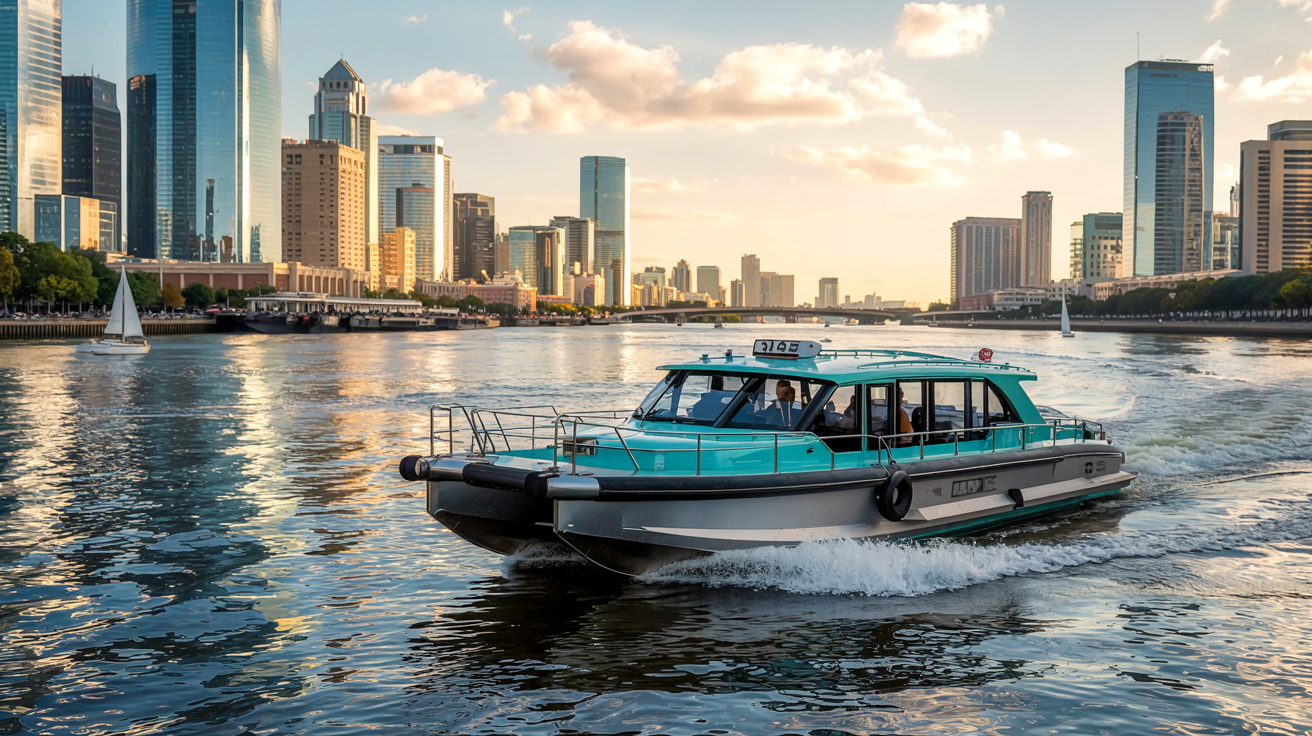
Market Landscape of the Water Taxi Industry in Europe Region
The Water Taxi Industry in Europe Region is driven by a mix of tourism demand, urbanization trends, environmental targets, and maritime transportation strategies. European cities are increasingly focusing on multimodal connectivity, integrating waterways into their broader urban transport plans. River based taxi systems, coastal shuttle networks, and island link services are becoming essential infrastructure.
The rise of blue mobility initiatives encourages citizens to adopt water based transport as a cleaner alternative to crowded roads. Water taxis are being positioned as efficient connectors between airports, ferry terminals, cruise ports, business districts, and cultural centers. The European Region is also experiencing a resurgence in water based commuting as passengers seek scenic, relaxing, and low emission transportation options.
Governments are encouraging investments in modern vessels, alternative fuels, digital navigation technologies, and renewable energy solutions. This push supports the growth of the Water Taxi Industry in Europe Region, attracting stronger participation from private operators, maritime innovators, and municipal authorities. Sustainability is at the heart of this transformation, aligning with Europe’s broader commitment to environmental responsibility and carbon neutrality.
To Know About the Assumptions Considered for the Study Download the PDF Brochure
Technological Advancements Shaping the Water Taxi Industry in Europe Region
The Water Taxi Industry in Europe Region is undergoing rapid technological development. Maritime engineering breakthroughs have enabled vessel designs that prioritize reduced environmental impact, higher efficiency, and improved passenger comfort. Electric propulsion systems, hybrid engines, solar assisted vessels, and hydrogen powered prototypes are expanding the range of clean mobility options.
Autonomous navigation research is transforming future water taxi operations. Pilotless vessels are being tested across European waterways to reduce operational costs, minimize human error, and improve route optimization. Digital ticketing, smart scheduling platforms, geofencing technologies, and real time passenger information systems are revolutionizing fleet management and enhancing service reliability.
Climate policies across European countries are driving water taxi operators to adopt vessels with reduced emissions. Research institutions and marine technology companies are collaborating to develop lightweight materials, energy efficient hulls, and advanced renewable propulsion systems. These innovations strengthen the overall capacity and competitiveness of the Water Taxi Industry in Europe Region.
Sustainability and Environmental Commitments
Environmental stewardship is a cornerstone of the Water Taxi Industry in Europe Region. Coastal nations and inland waterway authorities emphasize reduced emissions, clean propulsion systems, and preservation of aquatic ecosystems. With rising public awareness surrounding carbon footprints and marine pollution, water taxi operators are adopting sustainable practices to align with evolving regulations.
Electric water taxis are becoming popular in European capitals known for their environmental policies. Hybrid vessels are common in tourist heavy zones, enabling smooth operations without contributing to noise or water pollution. Maritime agencies are also exploring renewable energy options such as solar and hydrogen systems. These efforts position the Water Taxi Industry in Europe Region as a leader in eco friendly marine mobility.
Regional Insights into the Water Taxi Industry in Europe Region
The Water Taxi Industry in Europe Region spans diverse geographies, each with its own mobility culture and maritime characteristics. Northern Europe features water taxi operations across fjords, icy waterways, and archipelago networks. Western Europe incorporates major rivers and canals that run through dense urban landscapes. Southern Europe relies heavily on tourism driven operations across Mediterranean coasts and islands.
Eastern Europe is witnessing an urban revival in water transportation, with historic cities modernizing their marine routes and integrating eco friendly vessels. Central Europe is investing in river based public transport systems along major waterways, transforming daily commuting patterns. As these regions collectively support marine mobility innovation, the Water Taxi Industry in Europe Region continues to gain strong regional momentum.
Key Players in the Water Taxi Industry in Europe Region
Uber Boat by Thames Clippers
Uber Boat by Thames Clippers is one of the leading players in Europe’s modern water based mobility sector. Operating across iconic river routes, the company offers fast, efficient, and comfortable water taxi services for both commuters and tourists. Its focus on digital ticketing platforms, modern vessel design, and clean energy initiatives strengthens its influence within the Water Taxi Industry in Europe Region.
Venice Water Taxis
Venice Water Taxis represents a historic yet modern segment of the industry. Known for its premium service and iconic vessels, the company provides essential connectivity across Venice’s intricate canal system. Its contributions preserve the cultural significance of waterborne mobility while embracing newer, eco efficient technologies that support the Water Taxi Industry in Europe Region.
Helsinki Water Transport Operators
Operators in Helsinki offer a critical water taxi ecosystem across coastal zones and islands. Their integration of energy efficient vessels and smart mobility solutions reflects Northern Europe’s commitment to sustainability. These operators continue to influence the Water Taxi Industry in Europe Region through technological experimentation and environmentally responsible practices.
Amsterdam Canal Water Taxis
Amsterdam’s fleet blends tourism services with functional commuter operations. The city’s water taxi providers focus on electric vessels, smart navigation, and seamless integration with public transit systems. Their approach demonstrates how waterways can support both lifestyle mobility and urban development, reinforcing the Water Taxi Industry in Europe Region.
Future Outlook of the Water Taxi Industry in Europe Region
The future of the Water Taxi Industry in Europe Region is centered around enhanced sustainability, digital transformation, and continent wide policy integration. The shift toward low emission water transportation is expected to redefine vessel construction, port infrastructure, and operational strategies. With advancements in clean technologies, autonomous navigation, and multimodal transport connectivity, Europe is positioned to become a global model for water based mobility.
Tourism recovery, coastal urban development, and expanding marine infrastructure will drive higher demand for efficient water taxi services. Governments and private operators are expected to collaborate more closely on improving safety standards, adopting renewable marine technologies, and integrating water taxis into daily commuting networks. As water based mobility becomes a central pillar of smart city initiatives, the Water Taxi Industry in Europe Region will continue evolving into a strategic transportation sector serving millions of passengers.
Related Report:
Water Bus Market by Propulsion (Fully Electric, Fuel-Powered, Hybrid Electric), Capacity (<25 Pax, 26–50 Pax, 51-75 Pax), Operation (Intercity, Intra City), and Region Global Forecast to 2030
