Wearable drug delivery is emerging as an important innovation in modern healthcare, enabling patients to administer medications conveniently outside traditional clinical settings. As healthcare systems increasingly shift toward home-based care, self-administration, and patient-centric treatment, wearable injectors are becoming an attractive solution for delivering biologics, insulin, and other therapies.
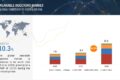
The global Wearable Injectors Market is projected to grow from USD 11.3 billion in 2025 to USD 18.92 billion by 2030, registering a CAGR of 10.8% during the forecast period. The market was valued at USD 10.2 billion in 2024.
The market’s expansion is being supported by the increasing prevalence of chronic diseases, the aging population, growing preference for self-administration, and the transition toward home healthcare. Advances in automated dosing, connectivity, and patient-friendly device designs are further supporting adoption.
What Is Wearable Drug Delivery?
Wearable drug delivery refers to technologies that allow medications to be administered through devices worn on or attached to the patient’s body. Wearable injectors can provide controlled delivery of drugs, including high-volume and viscous formulations, while reducing the need for frequent visits to hospitals or clinics.
These devices can support bolus delivery or programmed/continuous infusion, depending on the therapeutic and patient requirements. Wearable injectors are increasingly being used across diabetes, oncology, autoimmune diseases, cardiovascular diseases, infectious diseases, and rare diseases.
The ability to combine drug delivery with patient mobility is one of the major advantages driving interest in this technology.
Download PDF Brochure: https://www.marketsandmarkets.com/pdfdownloadNew.asp?id=100771004
Why Is Wearable Drug Delivery Growing?
Rising Burden of Chronic Diseases
The increasing prevalence of chronic diseases is a major driver of the wearable drug delivery market. Diabetes, cancer, cardiovascular disorders, and autoimmune diseases often require long-term treatment and repeated medication administration.
Wearable injectors can support convenient drug administration while helping patients reduce dependence on healthcare facilities. The growing elderly population, which often manages multiple chronic conditions, is also increasing demand for convenient and minimally invasive drug delivery solutions.
Growing Preference for Home Healthcare
The healthcare industry is increasingly moving toward decentralized and home-based care. Patients and healthcare providers are seeking solutions that can reduce unnecessary hospital visits while maintaining treatment continuity.
Wearable injectors support this transition by enabling patients to administer certain therapies in homecare settings. MarketsandMarkets identifies home healthcare and self-administration as important factors accelerating market adoption.
Key Wearable Drug Delivery Trends
1. Increasing Adoption of Self-Administration Devices
Self-administration is one of the strongest trends influencing wearable drug delivery. Patients increasingly want greater control over their treatment schedules and fewer visits to healthcare facilities.
Wearable injectors can simplify medication administration, particularly for chronic therapies requiring regular subcutaneous dosing. Patient-friendly designs can also improve convenience and potentially support treatment adherence.
For pharmaceutical and medical device companies, developing intuitive devices with minimal training requirements can create significant competitive advantages.
2. Connected and Smart Drug Delivery Devices
The integration of digital health, connectivity, and remote monitoring is creating new opportunities for wearable drug delivery.
Connected devices can potentially provide information about dosing and treatment use, supporting greater visibility for patients and healthcare professionals. MarketsandMarkets identifies integration with digital health and remote monitoring as an important opportunity for the wearable injectors market.
As healthcare becomes increasingly data-driven, connected drug delivery devices could become an important component of digital therapeutics and remote care ecosystems.
3. Programmed and Continuous Infusion
Programmed or continuous infusion represents an important growth area within wearable injectors. These systems can provide sustained subcutaneous administration of therapies that may traditionally have required administration in clinical settings.
This approach is particularly relevant for large-volume biologics and chronic therapies where controlled delivery over an extended period can improve convenience.
The programmed/continuous infusion segment accounted for 64.7% of the market in 2024, demonstrating the importance of this delivery approach.
On-Body Wearable Injectors Lead Product Adoption
On-body wearable injectors are attached directly to the patient’s skin and provide hands-free, controlled drug delivery over a defined period.
The on-body segment held the largest market share in 2024. Its ability to deliver high-volume and viscous medications while allowing patients to maintain normal daily activities has contributed to widespread adoption.
However, off-body wearable injectors are expected to register the fastest growth during the forecast period, supported by innovations in connectivity and digital monitoring capabilities.
Request Sample Report: https://www.marketsandmarkets.com/requestsampleNew.asp?id=100771004
Biologics Are Creating New Opportunities
The growing development of biologic therapies is creating significant opportunities for wearable drug delivery systems.
Many biologic medications have complex administration requirements and may require relatively large volumes or specialized delivery technologies. Wearable injectors can provide an alternative approach for administering selected therapies outside traditional clinical environments.
This is particularly relevant for autoimmune diseases, oncology, and other chronic conditions requiring long-term biologic treatment.
Autoimmune Diseases Represent a Major Application
Autoimmune diseases accounted for the largest share of the wearable injectors market in 2024. Conditions such as rheumatoid arthritis, psoriasis, and Crohn’s disease frequently require regular administration of biologic therapies.
The use of wearable injectors can support self-administration while reducing the frequency of hospital or clinic visits.
As the number of biologic therapies approved for autoimmune diseases increases, demand for convenient drug delivery technologies is expected to grow.
Homecare Is Becoming a Key End-User Setting
Homecare settings are projected to account for the largest share of the wearable injectors market. The increasing preference for outpatient treatment, rising healthcare costs, and greater patient awareness are contributing to this shift.
Wearable injectors can allow patients to administer therapies at home while reducing dependence on clinical infrastructure. This model may be particularly valuable for patients managing long-term conditions.
For pharmaceutical companies, integrating therapies with user-friendly wearable delivery devices can also improve the overall treatment experience.
Challenges Facing Wearable Drug Delivery
Despite strong growth opportunities, several challenges could limit adoption.
The high cost of wearable injectors and limited reimbursement in emerging economies remain significant barriers. Advanced components, regulatory requirements, and manufacturing costs can increase device prices and make adoption more difficult in cost-sensitive markets.
Regulatory requirements can also increase development timelines and costs. In addition, patients and healthcare professionals require appropriate education and training to use wearable injectors correctly.
Manufacturers therefore need to focus on intuitive designs, clear instructions, reliable performance, and effective training programs.
Asia Pacific Offers Strong Growth Potential
Asia Pacific is expected to be the fastest-growing region in the global Wearable Injectors Market, with a projected CAGR of 12.1%. Increasing prevalence of diabetes, cancer, and cardiovascular conditions, along with an aging population and growing healthcare investments, is supporting regional growth.
China, India, and other Southeast Asian countries are investing in healthcare infrastructure and expanding access to advanced medical technologies. Supportive government policies and improving healthcare ecosystems are further contributing to market development.
For manufacturers, Asia Pacific presents significant opportunities to expand wearable drug delivery solutions as demand for home-based treatment increases.
Future Outlook for Wearable Drug Delivery
The future of wearable drug delivery will be shaped by the convergence of wearable injectors, biologics, digital health, remote monitoring, automated dosing, and home healthcare.
The global Wearable Injectors Market is expected to reach approximately USD 18.92 billion by 2030, creating opportunities for pharmaceutical companies, medical device manufacturers, drug delivery technology providers, and healthcare organizations.
Future innovations are likely to focus on improving device usability, connectivity, dosing accuracy, patient comfort, and compatibility with complex biologic formulations.
Inquiry Before Buying: https://www.marketsandmarkets.com/Enquiry_Before_BuyingNew.asp?id=100771004
Conclusion
Wearable drug delivery is transforming how certain chronic therapies can be administered by moving treatment beyond traditional healthcare facilities and into patients’ homes.
The combination of rising chronic disease prevalence, increasing demand for self-administration, growing biologic pipelines, and the shift toward home-based care is creating a strong growth environment for wearable injectors. As connected technologies and patient-centric designs continue to advance, wearable drug delivery systems are positioned to become an increasingly important part of the future healthcare ecosystem.