While the smart thermostat market is experiencing rapid growth due to rising demand for energy efficiency and smart home integration, it also faces several challenges that could impact its full potential. These challenges span technological, economic, and regulatory aspects, as well as consumer behavior, all of which need to be addressed for the market to achieve sustained success.
One of the primary challenges is the high initial cost of smart thermostats. Although these devices promise long-term savings on energy bills, the upfront expense can be a barrier for many consumers, especially in developing economies or for those with limited disposable income. This cost includes not just the device itself, but sometimes also professional installation or system upgrades, which can deter adoption.
Download PDF Brochure @ https://www.marketsandmarkets.com/pdfdownloadNew.asp?id=266618794
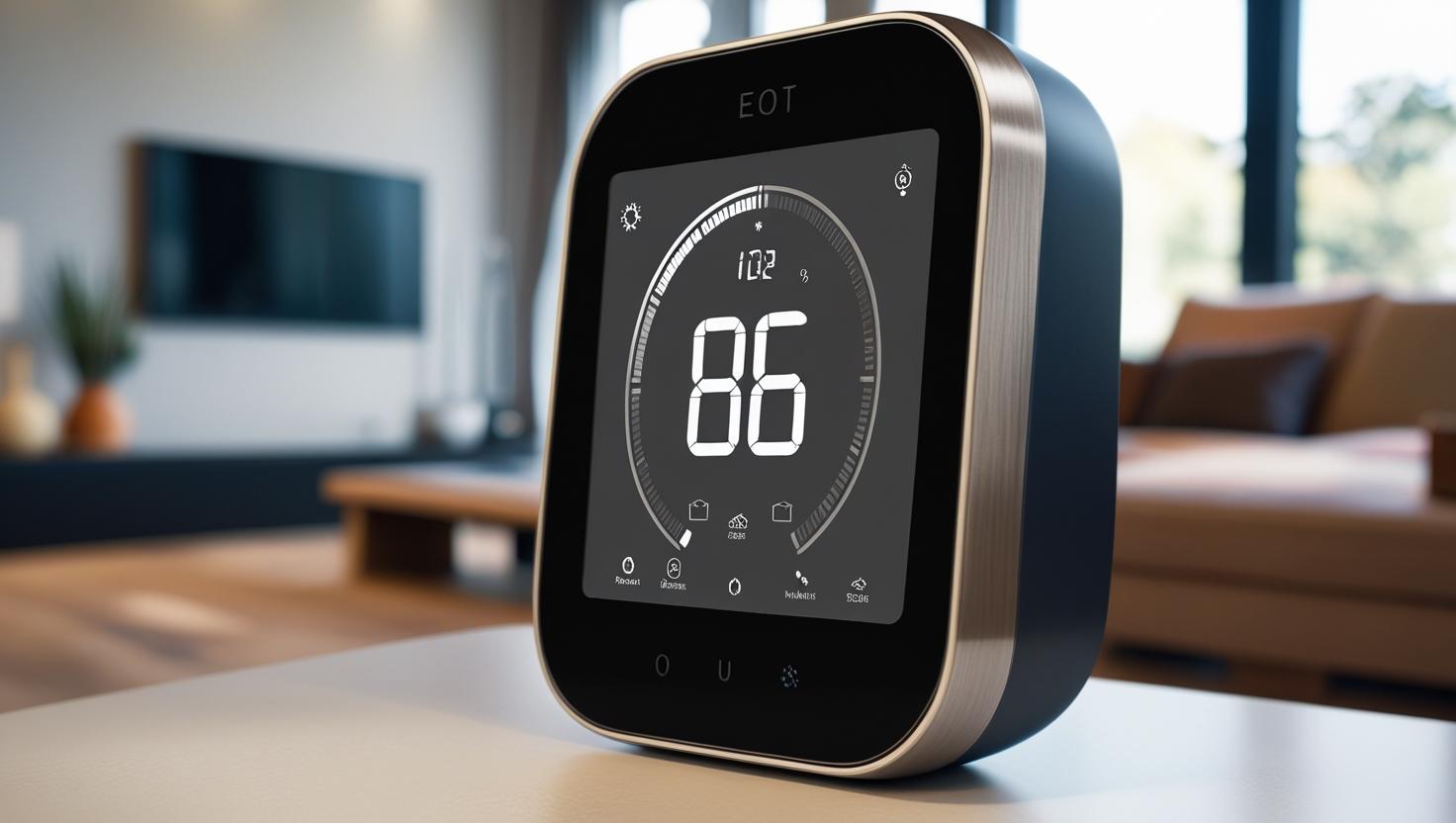
Another significant challenge is interoperability and compatibility issues. The smart home ecosystem includes a wide range of devices from different manufacturers. Smart thermostats must be able to integrate seamlessly with various HVAC systems, smart home platforms, and communication protocols. However, inconsistent standards and lack of universal compatibility can create complications for consumers trying to build cohesive smart home environments. This often leads to frustration and limits widespread adoption.
Data privacy and cybersecurity concerns are also prominent in the smart thermostat market. These devices collect a large amount of personal data, including user schedules, location patterns, and home occupancy. If not properly protected, this data could be vulnerable to hacking or misuse. As data breaches become more common, consumers and regulatory bodies are increasingly concerned about how smart thermostat manufacturers handle sensitive information, forcing companies to invest in robust security frameworks that may increase production costs.
The market also faces limited awareness and user education barriers. Many potential users are still unaware of the full benefits that smart thermostats offer. Even when consumers are aware, they may not fully understand how to use the features effectively, leading to underutilization of the technology. Complex interfaces or poorly designed user experiences can further discourage engagement, limiting the perceived value of the product.
Dependence on wireless connectivity poses another obstacle. Smart thermostats require a stable internet connection to access real-time data, perform remote functions, and integrate with cloud-based platforms. In areas with unreliable internet infrastructure, especially in rural or remote regions, these devices may not function optimally, thereby limiting market reach.
Regulatory compliance and regional disparities also create hurdles for global market expansion. Energy regulations, HVAC standards, and environmental requirements differ from country to country, making it difficult for manufacturers to offer standardized products across multiple markets. Additionally, local utility incentive programs may favor certain brands or models, influencing purchasing decisions and adding complexity for companies looking to enter new markets.
From a technical standpoint, installation complexity can be a deterrent for users who lack technical knowledge. While some smart thermostats are marketed as DIY-friendly, improper installation can lead to system inefficiencies or malfunctions. This can result in negative user experiences and increased reliance on professional installers, adding to the total cost and further reducing appeal for budget-conscious consumers.
The smart thermostat market is also subject to intense competition and market fragmentation. With a growing number of players entering the market, from established HVAC giants to new tech startups, differentiation becomes more difficult. Companies must continuously innovate and invest in R&D to stay competitive, which increases pressure on pricing, margins, and customer retention strategies.
Lastly, environmental and supply chain disruptions—such as semiconductor shortages or geopolitical tensions—can affect the manufacturing and distribution of smart thermostats. These disruptions can lead to production delays, increased costs, and challenges in meeting growing consumer demand.
In summary, while the smart thermostat market holds significant promise, it must overcome several key challenges to maintain growth momentum. Addressing these issues through better consumer education, stronger cybersecurity, improved compatibility, and cost-effective solutions will be critical in making smart thermostats more accessible, reliable, and appealing to a broader audience worldwide.
Frequently Asked Questions (FAQs) on the Smart Thermostat Market
1. What is a smart thermostat and how does it work?
A smart thermostat is a Wi-Fi-enabled device that automatically adjusts heating and cooling settings for optimal energy efficiency and user comfort. It uses sensors, machine learning, and user preferences to learn patterns and create automated schedules, and can be controlled remotely via smartphone apps, voice assistants, or integration with smart home systems.
2. What is driving the growth of the smart thermostat market?
The smart thermostat market is primarily driven by rising demand for energy-efficient HVAC systems, increasing adoption of smart home technologies, government incentives for energy-saving devices, and growing awareness about sustainability and carbon footprint reduction.
3. Who are the key players in the smart thermostat market?
Leading companies in the smart thermostat market include Google Nest, Ecobee, Honeywell Home (Resideo), Emerson, Johnson Controls, Bosch, and Schneider Electric, all of which offer a range of innovative and connected climate control solutions.
4. What are the key features of a smart thermostat?
Key features include remote control via apps, learning algorithms that adapt to user behavior, energy usage reports, voice assistant compatibility (like Alexa or Google Assistant), geofencing, weather tracking, and integration with other smart home devices.
8. How do smart thermostats contribute to sustainability?
Smart thermostats help reduce energy waste and greenhouse gas emissions by optimizing heating and cooling patterns, encouraging users to adopt energy-saving behaviors, and supporting integration with renewable energy systems.
See The Latest Semiconductor Reports:
Testing, Inspection, and Certification (TIC) Market by Service Type (Testing, Inspection, Certification), Source (In-house, Outsourced), Application (Consumer Goods & Retail, Agriculture & Food, Chemical, Energy & Power) – Global Forecast to 2030
Micro-Electro-Mechanical System (MEMS) Market by Sensor Type (Inertial Sensor, Pressure Sensor, Environmental Sensor, Optical Sensor), Actuator Type (Optical, Microfluidics, Inkjet Head, Radio Frequency), Vertical and Region – Global Forecast to 2030
