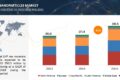
The global lipid nanoparticles market, valued at US$261.8 million in 2023, stood at US$271.8 million in 2024 and is projected to advance at a resilient CAGR of 5.2% from 2024 to 2029, culminating in a forecasted valuation of US$350.5 million by the end of the period. The global lipid nanoparticles services market is projected to reach USD 238.1 million by 2029 from USD 135.5 million in 2024, at a CAGR of 11.9% during the forecast period.
Download PDF Brochure: https://www.marketsandmarkets.com/pdfdownloadNew.asp?id=70136984
The global lipid nanoparticles market is witnessing remarkable growth as pharmaceutical innovators, biotechnology companies, and research organizations increasingly adopt advanced drug delivery technologies. Lipid nanoparticles (LNPs) have emerged as a transformative platform in modern medicine, particularly after their successful use in mRNA vaccines. Their ability to improve drug stability, targeted delivery, and therapeutic efficacy has positioned them at the center of next-generation therapeutics.
For stakeholders across the healthcare ecosystem, understanding the growth drivers behind the lipid nanoparticles market is essential for identifying new business opportunities, investment areas, and innovation trends.
Rising Demand for mRNA-Based Therapeutics
One of the most significant factors accelerating the lipid nanoparticles market is the growing adoption of mRNA therapeutics and vaccines. LNPs play a critical role in protecting fragile mRNA molecules and enabling efficient intracellular delivery.
The success of mRNA vaccines during the COVID-19 pandemic demonstrated the commercial and clinical potential of lipid nanoparticle technology. Today, pharmaceutical and biotechnology companies are expanding research into mRNA-based cancer therapies, infectious disease vaccines, and rare disease treatments, further increasing demand for advanced lipid delivery systems.
As precision medicine continues to evolve, LNPs are becoming indispensable for nucleic acid delivery applications.
Expansion of Gene Therapy and RNA Therapeutics
The rapid advancement of gene editing technologies such as CRISPR and RNA interference (RNAi) therapies is fueling market expansion. Lipid nanoparticles provide a safer and more efficient alternative to viral vectors for delivering genetic material into target cells.
Key advantages driving adoption include:
- Reduced immunogenicity
- Improved biocompatibility
- Enhanced payload protection
- Scalable manufacturing capabilities
- Target-specific delivery potential
With increasing investments in genetic medicine, the demand for innovative nanoparticle-based delivery systems is expected to surge over the coming years.
Growing Prevalence of Chronic Diseases
The increasing global burden of chronic diseases such as cancer, cardiovascular disorders, neurological diseases, and metabolic conditions is creating strong demand for advanced therapeutics.
Lipid nanoparticles enhance the bioavailability and therapeutic effectiveness of drugs while minimizing systemic toxicity. This makes them highly valuable for oncology and targeted therapy applications.
Pharmaceutical companies are leveraging LNP technology to develop:
- Targeted anticancer drugs
- Personalized therapeutics
- Controlled-release formulations
- Combination therapies
As healthcare systems prioritize more effective and patient-centric treatment options, lipid nanoparticle adoption continues to accelerate.
Technological Advancements in Nanomedicine
Continuous innovation in nanotechnology and pharmaceutical formulation techniques is another major growth driver. Researchers are developing next-generation lipid nanoparticle platforms with improved stability, encapsulation efficiency, and tissue-targeting capabilities.
Recent advancements include:
- Ionizable lipid technologies
- PEGylated lipid formulations
- Multifunctional nanoparticles
- Stimuli-responsive delivery systems
- AI-driven nanoparticle design optimization
These innovations are expanding the application scope of lipid nanoparticles across vaccines, oncology, regenerative medicine, and rare disease treatment.
Increasing Investments and Strategic Collaborations
The lipid nanoparticles market is attracting substantial investments from pharmaceutical giants, biotech startups, venture capital firms, and government organizations.
Strategic collaborations between drug developers and nanotechnology companies are accelerating commercialization efforts. Many organizations are entering partnerships to strengthen:
- Manufacturing capacity
- Clinical development pipelines
- Research capabilities
- Intellectual property portfolios
This collaborative ecosystem is driving innovation and helping companies bring advanced therapies to market faster.
Growing Focus on Personalized Medicine
Personalized medicine is becoming a major trend in healthcare, and lipid nanoparticles are playing an important role in enabling individualized therapies.
LNP-based delivery systems allow precise targeting and customized therapeutic approaches based on a patient’s genetic profile. This is especially valuable in:
- Cancer immunotherapy
- Rare genetic disorders
- Precision oncology
- Cell and gene therapy applications
The shift toward personalized healthcare is expected to create substantial long-term opportunities for lipid nanoparticle manufacturers and solution providers.
Favorable Regulatory and Research Environment
Governments and regulatory agencies worldwide are increasingly supporting nanomedicine and advanced therapeutic research through funding initiatives and streamlined regulatory pathways.
Public and private sector investments in biotechnology infrastructure, vaccine development, and genomic medicine are further supporting market growth. In addition, rising academic research activities are expanding the understanding and commercial applications of lipid nanoparticles.
Expanding Applications Beyond Vaccines
Although LNPs gained global attention through vaccine applications, their use is rapidly expanding into multiple therapeutic areas, including:
- Oncology
- Infectious diseases
- Neurology
- Dermatology
- Ophthalmology
- Rare diseases
This diversification of applications is creating new revenue streams and accelerating market penetration across the pharmaceutical industry.
Competitive Landscape and Market Opportunities
The lipid nanoparticles market is becoming highly competitive, with leading pharmaceutical and biotechnology companies investing heavily in R&D and production capabilities. Companies are focusing on:
- Novel lipid formulations
- Scalable manufacturing technologies
- Patent expansion
- Strategic acquisitions
- Clinical pipeline diversification
Emerging players with specialized nanoparticle expertise are also entering the market, contributing to rapid technological progress and commercialization.
Future Outlook
The future of the lipid nanoparticles market appears highly promising as advancements in mRNA therapeutics, gene therapy, and precision medicine continue to reshape the pharmaceutical landscape. Increasing clinical success rates, expanding research pipelines, and growing industry investments are expected to sustain strong market momentum over the next decade.
Organizations that invest early in lipid nanoparticle innovation, manufacturing scalability, and strategic collaborations will be well-positioned to capitalize on this rapidly evolving market.
Conclusion
The growth of the lipid nanoparticles market is being driven by a combination of scientific innovation, increasing demand for advanced drug delivery systems, expanding therapeutic applications, and rising investments in biotechnology research. From mRNA vaccines to personalized medicine and gene therapies, lipid nanoparticles are becoming a foundational technology in modern healthcare.
As pharmaceutical companies continue to explore next-generation therapeutics, the demand for efficient and scalable lipid nanoparticle platforms is expected to rise significantly, creating substantial opportunities for market participants worldwide.
Request Sample Pages: https://www.marketsandmarkets.com/requestsampleNew.asp?id=70136984