UV disinfection systems have become a potent remedy for a variety of sectors looking for dependable, effective, and chemical-free sterilization techniques. By damaging their DNA, these systems use ultraviolet (UV-C) light to render bacteria, viruses, and protozoa inactive, preventing them from reproducing or infecting others. Industries aimed at enhancing safety, cleanliness, and regulatory compliance are progressively implementing this non-toxic, eco-friendly technology. A select few stand out as the main beneficiaries of the numerous industries implementing UV disinfection.
One of the biggest users of UV disinfection systems is the municipal water treatment sector. In an effort to battle infections like giardia and cryptosporidium that are resistant to conventional chlorine disinfection, cities and municipalities worldwide are progressively integrating UV technology into their water and wastewater treatment facilities. A safe, residue-free substitute that conforms to stringent environmental and public health standards is UV disinfection. Additionally, it backs the international movement to cut back on the use of chemicals in public water systems.
Download PDF Brochure @ https://www.marketsandmarkets.com/pdfdownloadNew.asp?id=217291665
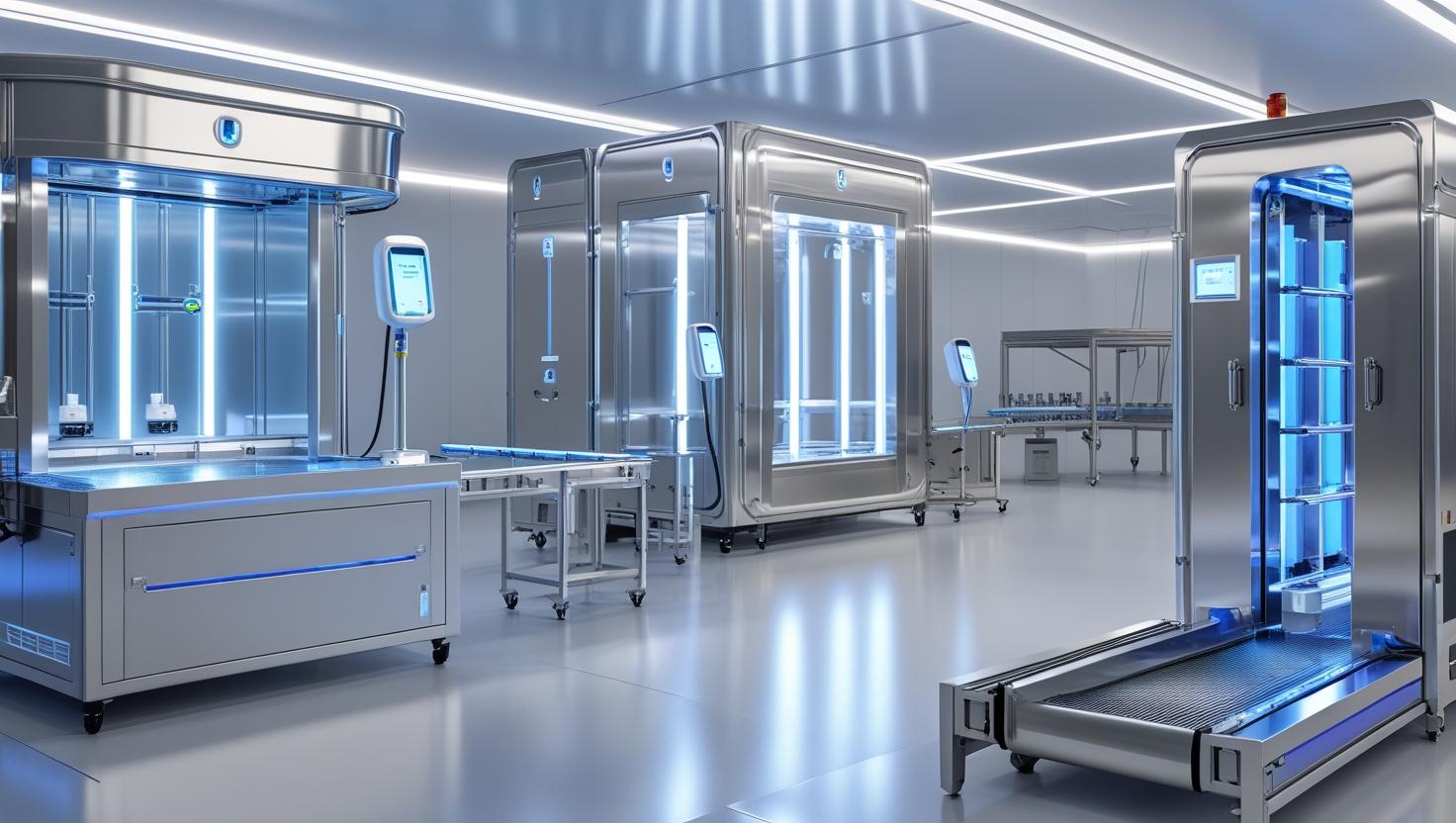
UV disinfection systems are essential in the healthcare sector for maintaining sterile conditions in operating rooms, clinics, hospitals, and labs. With increased worries over hospital-acquired infections (HAIs), healthcare providers are investing in UV disinfection robots and UV-C room decontamination machines to disinfect surfaces and air in patient rooms, surgical suites, and high-traffic areas. Particularly in the post-pandemic period, these systems are prized for their capacity to enhance manual cleaning procedures and lower the danger of disease spread.
In order to preserve hygienic conditions during the manufacturing and packaging phases, the food and beverage sector also significantly depends on UV disinfection equipment. UV is used to sterilize packaging materials, disinfect water used in food preparation, and lower the microbial load on conveyors and surfaces. The increased consumer desire for clean-label, preservative-free food goods is in line with UV disinfection since it doesn’t leave chemical residues behind. UV adoption in this industry is further fueled by adherence to food safety laws, such as those set forth by the FDA and FSMA.
Because of their strict cleaning and contamination control requirements, UV disinfection systems are very beneficial to the biotechnology and pharmaceutical industries. In manufacturing settings where even slight microbiological contamination might jeopardize the safety or effectiveness of products, UV-C systems are utilized to sterilize cleanrooms, production lines, equipment surfaces, and air. UV disinfection guarantees microbial control in high-purity water systems used in drug formulation without adding chemicals that might disrupt medicinal ingredients.
UV disinfection systems are being used in air handling units in the HVAC and commercial building industries to prevent the formation of mold, bacteria, and viruses on coils and in ducting. By maintaining cleaner system components, this not only raises indoor air quality but also increases HVAC efficiency. Due to increased awareness of the spread of airborne diseases, particularly after the COVID-19 pandemic, UV systems are now commonplace in public transportation facilities, office buildings, retail malls, airports, and schools.
In order to maintain the extremely clean conditions required for creating microchips and delicate electronic components, the electronics and semiconductor manufacturing sector also makes use of UV disinfection. Even minute biological impurities might cause flaws and yield losses in these well regulated settings. High levels of microbial control in production water systems and cleanrooms are guaranteed by UV sterilization.
UV disinfection systems also help the maritime and aquaculture sectors by treating ballast water, stopping the spread of invasive aquatic species, and preserving water quality in fish farming operations. UV offers a safe and efficient way to control pathogens without endangering marine life or changing the chemistry of the water.
In summary, UV disinfection systems offer immense value to industries that require high levels of hygiene, pathogen control, and regulatory compliance. From safeguarding public health in water treatment facilities to ensuring sterile conditions in hospitals and high-tech manufacturing plants, UV technology continues to transform sanitation practices across diverse sectors. As technology advances and environmental concerns intensify, the adoption of UV disinfection is expected to expand further, making it a cornerstone of modern industrial hygiene strategies.
Frequently Asked Questions (FAQs) on the UV Disinfection Equipment Market
1. What is UV disinfection equipment and how does it work?
UV disinfection equipment uses ultraviolet (UV) light—specifically UV-C wavelengths—to inactivate or kill microorganisms such as bacteria, viruses, and protozoa by disrupting their DNA and RNA, preventing replication. These systems are commonly used in water treatment, air purification, surface sterilization, and medical environments for chemical-free, rapid disinfection.
2. What are the key applications of UV disinfection equipment?
UV disinfection equipment is widely used in water and wastewater treatment plants, hospitals, laboratories, food processing units, HVAC systems, residential water purification systems, and public spaces for surface and air disinfection. Its non-toxic, chemical-free approach makes it ideal for industries requiring high hygiene standards.
3. What factors are driving the growth of the UV disinfection equipment market?
The market is driven by increasing demand for sustainable and chemical-free disinfection solutions, heightened hygiene awareness post-COVID-19, stricter environmental regulations, and the rising need for clean air and water in industrial and residential settings. Technological advancements in UV LED systems are also boosting adoption.
4. Which regions are leading in the adoption of UV disinfection equipment?
North America and Europe currently lead the market due to strong regulatory frameworks, early technology adoption, and infrastructure investments in healthcare and water treatment. However, Asia-Pacific is expected to witness the fastest growth due to urbanization, increasing public health concerns, and government initiatives in India, China, and Southeast Asia.
5. What challenges does the UV disinfection market face?
Despite its benefits, the market faces challenges like high initial equipment costs, limitations in treating turbid or shaded water, safety concerns related to UV exposure, and competition from chemical-based disinfection methods. However, continued R&D and miniaturization of UV LEDs are expected to mitigate these challenges.
See The Latest Semiconductor Reports:
Live Entertainment Market by music concerts, sports events, e-sports, theaters & musicals, Al & automation, motion tracking, real-time streaming, pre-recorded/recorded streaming, distribution & streaming – Global Forecast to 2030
Micro-Electro-Mechanical System (MEMS) Market by Sensor Type (Inertial Sensor, Pressure Sensor, Environmental Sensor, Optical Sensor), Actuator Type (Optical, Microfluidics, Inkjet Head, Radio Frequency), Vertical and Region – Global Forecast to 2030

