The global push toward electrification has positioned electric vehicles (EVs) at the forefront of the automotive industry. As EV adoption accelerates, the Automotive Battery Management System Market Growth has become a strategic priority for manufacturers, suppliers, and investors alike. Battery systems are the heart of EV performance, safety, and longevity — and the Battery Management System (BMS) plays a critical role in optimizing these factors.
In this context, understanding how EV expansion is driving demand helps explain current Automotive Battery Management System Market Trends, shifts in competitive dynamics, and changes in Automotive Battery Management System Market share.
Electric Vehicles: The Primary Driver of Market Growth
The surge in electric vehicle production and sales is the most significant force behind Automotive Battery Management System Market Growth. Governments worldwide — especially in Europe, North America, and China — are pushing for reduced emissions through incentives, stricter regulatory emissions standards, and EV adoption targets. As a result:
- EV production volumes are increasing year over year
- Manufacturers are prioritizing high‑performance battery systems
- Consumer confidence in EV range and reliability continues to grow
A BMS is essential to the safe, efficient operation of lithium‑ion batteries used in EVs. It ensures optimal charging and discharging, manages temperature, balances cell performance, and protects against battery system failures. Because of these indispensable functions, the Automotive Battery Management System Market Growth directly correlates with EV deployment rates.
Core Functions Elevating Market Importance
Battery Management Systems have evolved beyond rudimentary protection circuits. As a result, they are central to key Automotive Battery Management System Market Trends:
1. Enhanced Safety and Reliability
EV batteries operate at high voltages and temperatures. An advanced BMS prevents thermal runaway, ensures safe charging/discharging, and extends battery life. Safety concerns remain one of the top barriers to EV adoption, making BMS technology even more critical.
The global automotive battery management system market is estimated to be USD 6.53 billion in 2025 and is projected to reach USD 15.65 billion by 2030, registering a CAGR of 19.1% during the forecast period.
Download PDF Brochure @ https://www.marketsandmarkets.com/pdfdownloadNew.asp?id=15321159
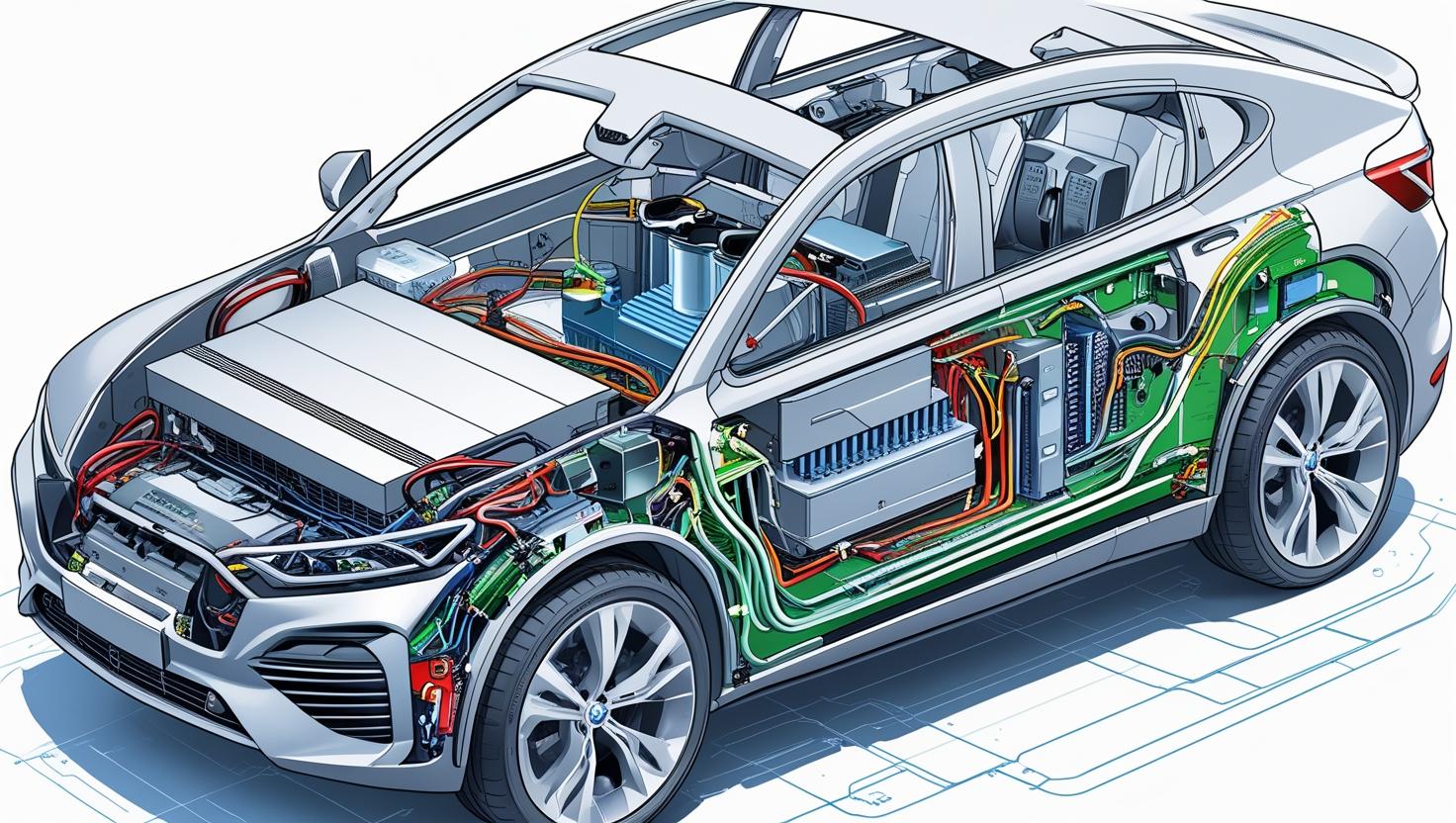
2. Real‑Time Monitoring and Diagnostics
Modern BMS platforms provide real‑time data on battery health, state of charge (SoC), and state of health (SoH). These insights help reduce warranty claims, inform maintenance, and improve operational efficiency — all positive drivers of market growth.
3. Integration with Vehicle Control Systems
Automotive BMS solutions are now integrated with overall vehicle control systems, including energy recuperation and predictive power distribution. Such integration represents a key Automotive Battery Management System Market Trend that enhances performance and range optimization.
These advanced capabilities are not only technical differentiators but also influence competitive positioning and purchase decisions, thereby affecting Automotive Battery Management System Market share among leading suppliers.
Impact of EV Industry Expansion on Market Dynamics
The rapid proliferation of EV models across price segments — from mass‑market passenger cars to commercial fleets — is expanding the addressable market for BMS technologies. This expansion manifests in several ways:
Rising Demand from OEMs
Automotive OEMs (Original Equipment Manufacturers) increasingly partner with specialized BMS developers to gain performance advantages. Companies that can deliver scalable, reliable, and cost‑effective BMS solutions are gaining Automotive Battery Management System Market share.
Emerging Aftermarket Services
As EVs age and battery replacement cycles begin, the aftermarket for BMS upgrades, recalibration, and diagnostics is also emerging. This secondary demand boosts the overall Automotive Battery Management System Market Growth beyond new vehicle production.
Regional Adoption Patterns
Regions with strong EV incentives — such as the EU’s “Fit for 55,” U.S. tax credits, and China’s NEV mandates — are witnessing the fastest BMS adoption. However, market maturity varies: North America and Europe are leading in advanced BMS technologies, while Asia Pacific shows robust volume growth. These regional differences influence Automotive Battery Management System Market share distribution among competitors.
Technological Innovations Setting New Trends
Several Automotive Battery Management System Market Trends are reshaping the competitive landscape:
AI‑Assisted Battery Management
Machine learning algorithms help BMS adapt to battery aging, usage patterns, and environmental conditions — improving performance and extending life cycles.
Wireless BMS Architectures
Wireless sensor networks within battery packs reduce wiring complexity, lower weight, and enhance reliability — a trend gaining traction in premium EV models.
Cybersecurity Integration
As connected vehicles become standard, BMS cybersecurity is a growing priority. Secure communication between BMS and vehicle networks is increasingly factored into purchasing decisions.
Market Share Dynamics and Competitive Landscape
The Automotive Battery Management System Market share is currently dominated by a mix of Tier‑1 automotive suppliers and specialized BMS technology firms. The competitive landscape is defined by:
Partnerships with EV OEMs: Long‑term contracts and co‑development agreements enhance market positioning.
Technology Differentiation: Companies with advanced diagnostics, AI integration, and battery analytics gain share.
Scalability and Cost Efficiency: As EV production scales, suppliers able to deliver cost‑effective BMS at volume are gaining market share.
Leading suppliers are actively expanding their portfolios to include modular, scalable, and software‑enhanced BMS to maintain or grow their Automotive Battery Management System Market share.
Challenges and Opportunities Ahead
While EV growth propels the Automotive Battery Management System Market Growth, several challenges remain:
Standardization Issues: Varying battery chemistries and architectures complicate BMS standardization.
Skill Gaps: BMS design and calibration require high technical expertise.
Supply Chain Constraints: Semiconductor shortages and materials supply risks can slow market expansion.
Nevertheless, opportunities abound in areas such as second‑life battery management, energy storage systems, and cross‑industry BMS applications (e.g., commercial EV fleets and renewable energy storage). These avenues will further fuel long‑term Automotive Battery Management System Market Growth.
The rise of electric vehicles is doing more than reshaping powertrain strategies — it is fundamentally driving the Automotive Battery Management System Market Growth. Advanced BMS technologies are at the core of EV performance, safety, and reliability, and their adoption reflects broader Automotive Battery Management System Market Trends toward digitalization and intelligent energy management.
As demand continues to surge, competitive dynamics and Future of Automotive Battery Management System Market share will evolve in favor of innovative, adaptable, and integrated BMS solutions. For investors and industry stakeholders, this market represents a significant growth opportunity tightly linked to the global electrification movement.
Investor-Focused FAQ – Automotive Battery Management System Market
1. What is driving Automotive Battery Management System Market Growth?
The surge in electric vehicle (EV) adoption is the primary driver. Battery Management Systems (BMS) ensure safety, performance, and longevity of lithium-ion batteries, making them critical for EV deployment. Technological innovations like AI, IoT, and wireless architectures further fuel Automotive Battery Management System Market Growth.
2. What are the key Automotive Battery Management System Market Trends?
Current Automotive Battery Management System Market Trends include:
- AI-assisted battery management for predictive performance
- Wireless BMS for reduced wiring complexity and weight
- Real-time monitoring and diagnostics
- Integration with vehicle energy management systems
- Enhanced cybersecurity for connected EV platforms
3. Which industries are driving market demand?
The highest demand comes from:
- Electric Vehicle OEMs – passenger cars, commercial fleets
- Automotive aftermarket – battery replacement, recalibration, diagnostics
- Regions with strong EV incentives such as Europe, North America, and Asia-Pacific contribute heavily to Automotive Battery Management System Market Growth.
4. How is the Automotive Battery Management System Market share distributed?
Market share is currently led by Tier-1 automotive suppliers and specialized BMS technology firms. Leaders secure share through technology differentiation, strategic partnerships with OEMs, and scalable, cost-effective BMS solutions.
5. What are the investment opportunities in the market?
Opportunities include:
- Development of AI-powered and wireless BMS platforms
- Expansion into commercial EV and fleet applications
- Second-life battery management and energy storage solutions
- Strategic partnerships and co-development with EV manufacturers
About MarketsandMarkets™
MarketsandMarkets™ has been recognized as one of America’s Best Management Consulting Firms by Forbes, as per their recent report.
MarketsandMarkets™ is a blue ocean alternative in growth consulting and program management, leveraging a man-machine offering to drive supernormal growth for progressive organizations in the B2B space. With the widest lens on emerging technologies, we are proficient in co-creating supernormal growth for clients across the globe.
Today, 80% of Fortune 2000 companies rely on MarketsandMarkets, and 90 of the top 100 companies in each sector trust us to accelerate their revenue growth. With a global clientele of over 13,000 organizations, we help businesses thrive in a disruptive ecosystem.
The B2B economy is witnessing the emergence of $25 trillion in new revenue streams that are replacing existing ones within this decade. We work with clients on growth programs, helping them monetize this $25 trillion opportunity through our service lines – TAM Expansion, Go-to-Market (GTM) Strategy to Execution, Market Share Gain, Account Enablement, and Thought Leadership Marketing.
Built on the ‘GIVE Growth’ principle, we collaborate with several Forbes Global 2000 B2B companies to keep them future-ready. Our insights and strategies are powered by industry experts, cutting-edge AI, and our Market Intelligence Cloud, KnowledgeStore™, which integrates research and provides ecosystem-wide visibility into revenue shifts.
To find out more, visit www.MarketsandMarkets™.com or follow us on Twitter , LinkedIn and Facebook .
Contact:
Mr. Rohan Salgarkar
MarketsandMarkets™ INC.
1615 South Congress Ave.
Suite 103, Delray Beach, FL 33445
USA: +1-888-600-6441
