The global biosensors market is poised for a transformative leap between 2025 and 2030. Driven by increasing demand for real-time health monitoring, personalized medicine, and smart diagnostics, biosensors are rapidly becoming essential tools across healthcare, consumer electronics, sports, agriculture, and beyond.
As we enter the second half of the decade, the convergence of biotechnology, materials science, and digital connectivity is reshaping how biosensors are designed, deployed, and integrated into everyday life. Let’s explore how the market is evolving—by type, product, wearable form factor, technology, and application.
By Type: Sensor Patch vs Embedded Devices
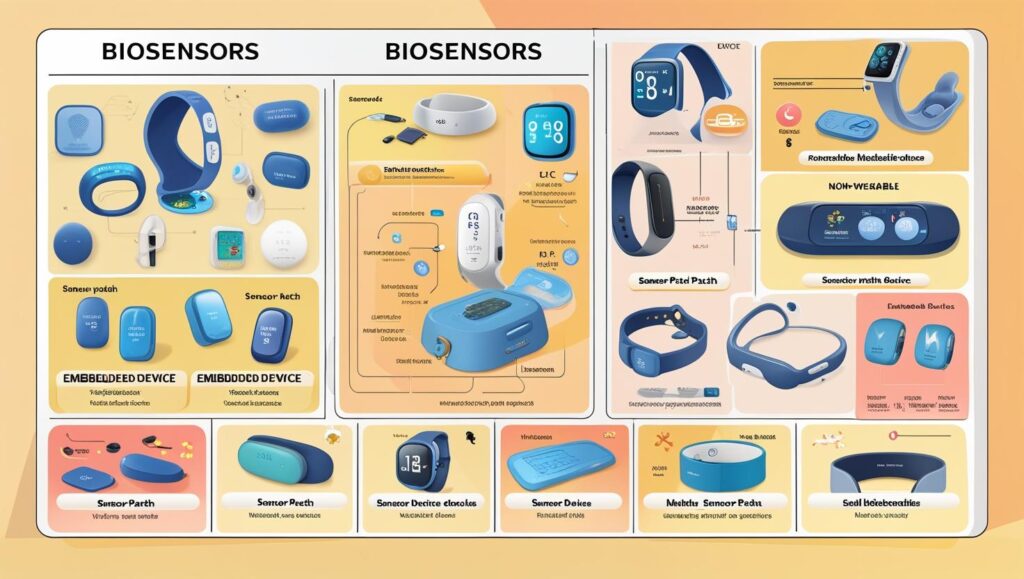
Between 2025 and 2030, two primary types of biosensors will dominate: sensor patches and embedded devices.
Sensor patches—disposable or semi-reusable adhesive patches—are expected to see substantial adoption, particularly in continuous glucose monitoring, cardiac telemetry, hydration sensing, and wearable fitness tracking. Their appeal lies in their low cost, ease of use, and ability to wirelessly transmit biometric data without interrupting daily routines. With improvements in skin-friendly materials and battery life, sensor patches are expected to become even more seamless and clinically accurate.
Embedded devices, on the other hand, are integrated directly into other products such as implants, smartwatches, hearing aids, and surgical tools. These are more complex and offer multi-sensing capabilities, making them ideal for long-term monitoring of chronic conditions. From pacemakers that monitor heart health in real time to smart contact lenses that track intraocular pressure, embedded biosensors are moving healthcare monitoring from external to internal—delivering continuous data from inside the body itself.
By Product: Wearable vs Non-Wearable Biosensors
The future of the biosensors market will be defined by the wearable revolution. By 2030, wearable biosensors are expected to dominate, fueled by consumer health demands, aging populations, and a shift toward preventive care.
Wearable biosensors will evolve into multi-functional health companions, capable of tracking heart rate variability, respiratory function, glucose levels, hydration, and even stress levels in real time. These devices will become smaller, more accurate, and integrated with AI-powered platforms to deliver actionable insights. Meanwhile, partnerships between tech giants and health providers will accelerate the adoption of wearable biosensors in both clinical and consumer markets.
Non-wearable biosensors, such as bench-top diagnostics or point-of-care devices used in hospitals, will continue to serve critical roles in disease detection, laboratory diagnostics, and therapeutic drug monitoring. Their precision and ability to handle complex assays will ensure their relevance, especially in genomics and oncology.
Download PDF Brochure @ https://www.marketsandmarkets.com/pdfdownloadNew.asp?id=798
Wearable Biosensors: Wristwear and Bodywear Take the Lead
Within the wearable category, wristwear—smartwatches and fitness bands—will remain dominant due to user familiarity, comfort, and seamless integration into daily life. From Apple Watch to Garmin to emerging medical-grade wearables, these devices will become miniature health labs on the wrist, monitoring everything from atrial fibrillation to blood oxygen saturation.
Bodywear, including biosensor-embedded textiles, chest straps, smart rings, and adhesive patches, will grow rapidly as well. Smart clothing that monitors muscle recovery, posture, or vital signs will become common in sports, military, and elder care applications. Additionally, we’ll see a surge in biosensor-integrated headbands for brain activity monitoring and sleep analysis.
By Technology: Diversification and Specialization
The biosensors market is highly fragmented by technology, with each type offering unique advantages for specific applications.
Electrochemical biosensors will continue to lead, especially in blood glucose monitoring and drug testing. Their high sensitivity, cost-efficiency, and compact form factor make them ideal for wearable integration.
Optical biosensors will see increased use in areas requiring non-invasive, high-throughput analysis. These include continuous blood oxygen monitoring, cancer diagnostics, and pathogen detection, where light-based sensing provides rapid and accurate results.
Piezoelectric biosensors are emerging as powerful tools for mechanical stress detection and molecular recognition. Their ability to detect minute changes in mass or pressure makes them ideal for implantable devices and industrial applications.
Thermal biosensors will expand into niche markets such as food safety, environmental monitoring, and industrial bioprocessing. They measure temperature changes caused by biochemical reactions, offering unique advantages in high-sensitivity environments.
Nanomechanical biosensors represent the cutting edge of biosensing innovation. With extremely high sensitivity at the nanoscale, these sensors can detect viruses, toxins, and DNA mutations with precision previously unattainable. Between 2025 and 2030, nanomechanical biosensors will increasingly be used in early disease detection, precision medicine, and personalized health tracking.
By Application: Expanding Beyond Healthcare
While healthcare remains the largest driver of biosensor innovation, the next five years will see significant expansion into other sectors.
In healthcare, biosensors will play a pivotal role in chronic disease management, diagnostics, patient monitoring, and drug delivery systems. They will support the rise of virtual hospitals and decentralized clinical trials, enabling real-time patient data collection outside of traditional settings.
In sports and fitness, biosensors will be used to monitor performance, hydration, muscle fatigue, and recovery. Athletes and fitness enthusiasts will use biosensors for personalized training regimens and injury prevention.
In agriculture, biosensors will be used to detect soil health, pesticide levels, and livestock vitals. These tools will enable precision farming, improving yield while reducing environmental impact.
In environmental monitoring, biosensors will help detect pollutants, pathogens, and toxins in water and air, supporting public health and sustainability efforts.
In food safety, biosensors will be used for rapid detection of bacteria, allergens, and contaminants throughout the supply chain, helping prevent outbreaks and ensure compliance with safety regulations.
Looking Ahead: The Era of Intelligent Sensing
By 2030, the biosensors market will be defined not just by miniaturization or connectivity, but by intelligence. Devices will not only measure but also interpret data using AI and machine learning, making biosensors proactive tools for health and safety rather than passive monitors.
5G and edge computing will enable real-time biosensing with ultra-low latency, while blockchain and secure cloud platforms will protect sensitive personal data. Biosensors will become essential components of personalized medicine, smart cities, and global health infrastructure.
As innovation accelerates, collaboration between biotech, electronics, materials science, and software engineering will be key to unlocking the full potential of biosensors. The next five years will not only redefine diagnostics but also transform how we understand and interact with the world around us—one sensor at a time.
FAQ: The Future of the Biosensors Market (2025–2030)
1. What is driving growth in the biosensors market between 2025 and 2030?
The biosensors market is growing rapidly due to rising demand for real-time health monitoring, advances in wearable technology, the expansion of personalized medicine, and greater investment in preventive healthcare. Integration with AI, IoT, and 5G is also unlocking new possibilities in remote diagnostics, fitness tracking, and environmental monitoring.
2. What are the key types of biosensors in the market?
There are two main types:
Sensor patches, which are typically adhesive and used for short-term monitoring (e.g., glucose sensors).
Embedded biosensors, which are integrated into devices like implants, smartwatches, or contact lenses for continuous, long-term use.
3. How are wearable biosensors expected to evolve?
Wearable biosensors are becoming smaller, more accurate, and multifunctional. By 2030, they will monitor a wide range of biometrics including glucose, heart rate, hydration, stress, and even brain activity. Wearables will play a major role in chronic disease management, fitness optimization, and mental wellness.
