The automotive and transportation industries are undergoing a massive transformation, driven by advancements in power electronics. Power electronics in automotive and transportation play a crucial role in enhancing energy efficiency, improving performance, and enabling the widespread adoption of electric and hybrid vehicles. This article explores the significance of power electronics, its applications, and future trends shaping the industry.
The global Power Electronics Market size was estimated at USD 55.32 billion in 2024 and is predicted to increase from USD 51.73 billion in 2025 to approximately USD 67.42 billion by 2030, expanding at a CAGR of 5.4% from 2025 to 2030.
Understanding Power Electronics in Automotive and Transportation
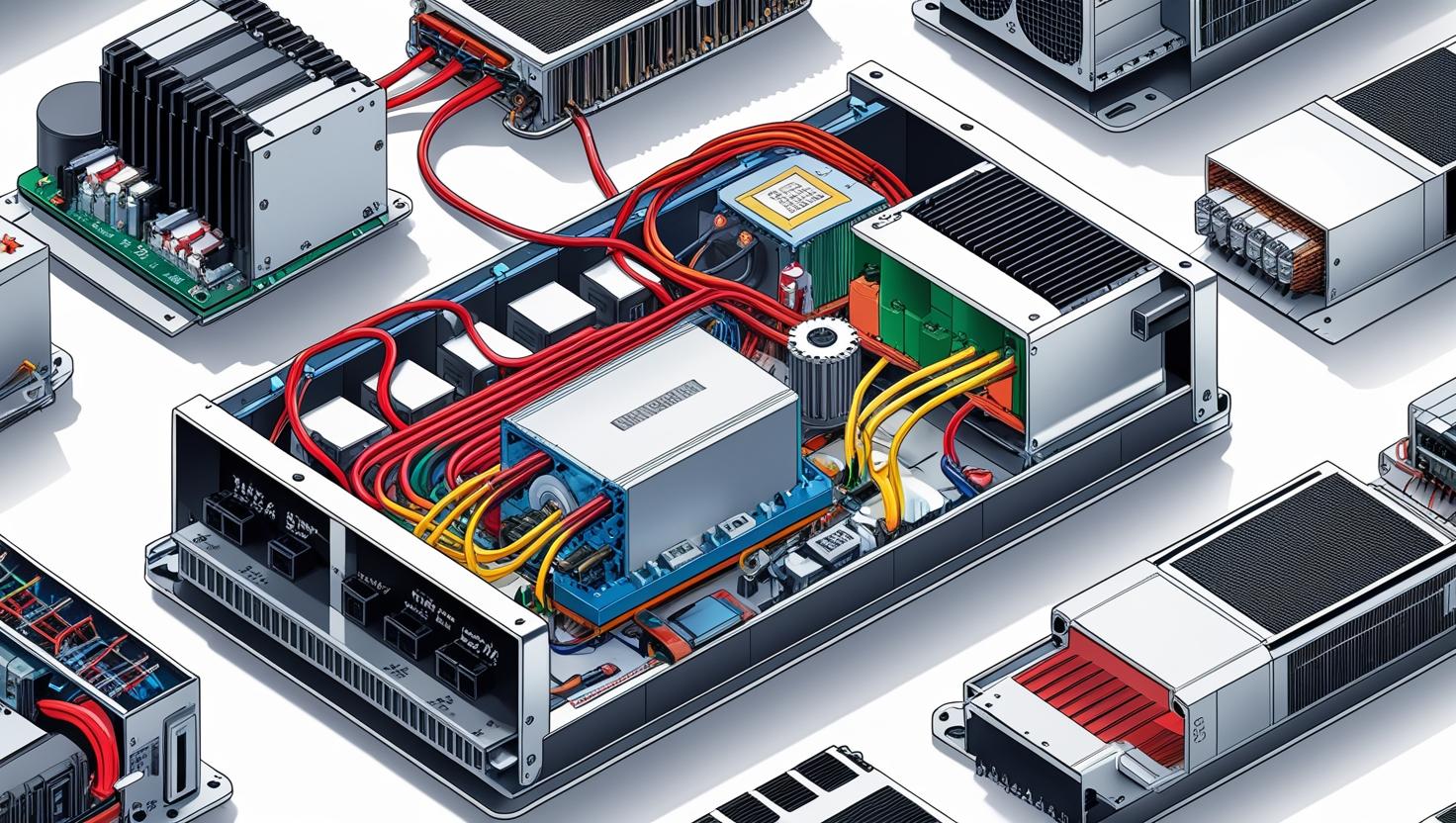
Power electronics refers to the technology used for converting and controlling electrical power in various applications. In the automotive and transportation sector, power electronics manage energy flow between batteries, motors, and other components, ensuring optimal performance and efficiency.
The growing demand for electric vehicles (EVs) and hybrid electric vehicles (HEVs) has accelerated the need for advanced power electronic systems. These systems facilitate efficient energy conversion between AC and DC power, enable regenerative braking to recover energy, provide precise motor control for better acceleration and speed regulation, and support thermal management to enhance battery life.
With stricter emission regulations and the push toward sustainable mobility, power electronics in automotive and transportation are becoming indispensable.
Key Applications of Power Electronics in Automotive and Transportation
1. Electric and Hybrid Vehicle Powertrains
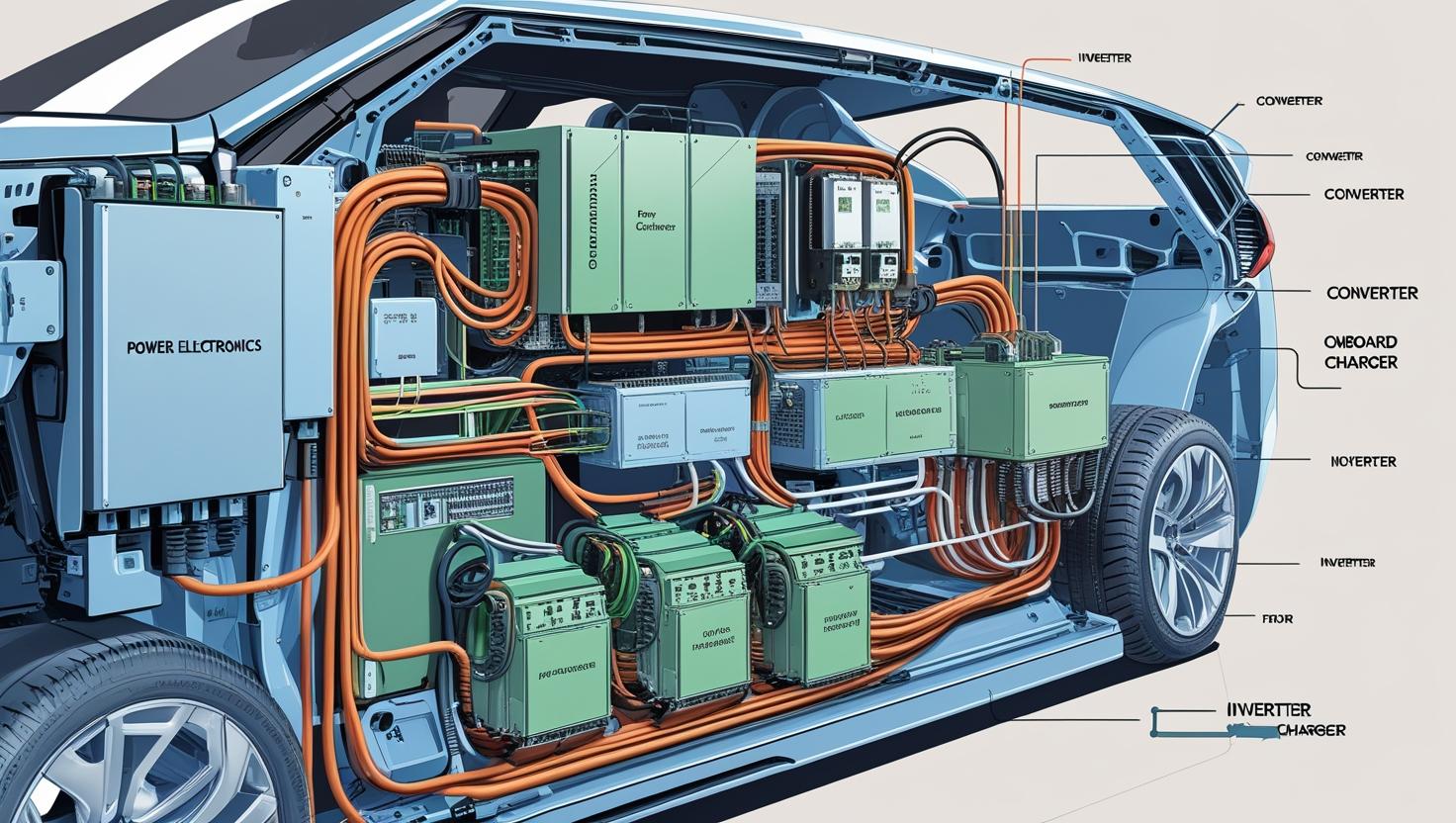
Power electronics form the backbone of electric and hybrid vehicle powertrains. They control the energy flow from the battery to the electric motor, ensuring smooth acceleration and deceleration. Key components include inverters, converters, and DC-DC regulators that optimize power distribution.
2. Onboard Charging Systems
Modern EVs rely on efficient onboard chargers that convert AC power from charging stations to DC power for battery storage. Power electronics ensure fast and safe charging while minimizing energy losses.
3. Regenerative Braking Systems
Regenerative braking is a breakthrough technology that recovers kinetic energy during braking and converts it into electrical energy. Power electronics manage this energy transfer, improving overall vehicle efficiency.
4. Thermal Management Systems
Batteries and power electronic components generate significant heat. Advanced thermal management systems, controlled by power electronics, maintain optimal operating temperatures, enhancing durability and performance.
5. Vehicle-to-Grid (V2G) Integration
Power electronics enable bidirectional energy flow between EVs and the power grid. This Vehicle-to-Grid (V2G) technology supports energy storage and grid stabilization, making transportation systems more sustainable.
Advantages of Power Electronics in Automotive and Transportation
The integration of power electronics in automotive and transportation offers numerous benefits. Higher energy efficiency is achieved by minimizing power losses during energy conversion. Improved performance is seen through enhanced motor control for better acceleration and responsiveness. Extended battery life results from optimized charging and discharging cycles. Reduced emissions are facilitated by supporting cleaner electric and hybrid vehicles. Enhanced safety is ensured through stable power distribution and thermal regulation.
These advantages make power electronics a critical enabler of next-generation transportation solutions.
Download PDF Brochure @ https://www.marketsandmarkets.com/pdfdownloadNew.asp?id=204729766
Future Trends in Power Electronics for Automotive and Transportation
1. Wide Bandgap Semiconductors (SiC and GaN)
Silicon Carbide (SiC) and Gallium Nitride (GaN) semiconductors are revolutionizing power electronics. They offer higher efficiency, faster switching speeds, and better thermal performance compared to traditional silicon-based components.
2. Smart Power Modules
Integrated smart power modules combine multiple functions into a single unit, reducing size and weight while improving reliability. These modules are essential for compact and high-performance EV systems.
3. Wireless Charging Technologies
Inductive and resonant wireless charging systems are emerging as convenient alternatives to plug-in charging. Power electronics will play a key role in optimizing wireless power transfer efficiency.
4. AI-Driven Power Management
Artificial intelligence (AI) is being integrated into power electronic systems for predictive maintenance, adaptive energy management, and real-time optimization.
5. Increased Adoption in Public Transport
Electric buses, trains, and other public transport systems are increasingly relying on power electronics for energy-efficient operations and reduced carbon footprints.
Explore In-Depth Semiconductor & Electronics Market Research
https://www.marketsandmarkets.com/semiconductorand-electonics-market-research-87.html
Power electronics in automotive and transportation is a game-changer, driving the shift toward sustainable and high-performance mobility. From electric vehicles to smart grid integration, power electronics enhances efficiency, safety, and reliability. With advancements in wide bandgap semiconductors, wireless charging, and AI-driven systems, the future of transportation looks more innovative than ever.
FAQs
1. What is the role of power electronics in electric vehicles?
Power electronics manage energy conversion, motor control, and battery charging in electric vehicles, ensuring optimal performance and efficiency.
2. How do wide bandgap semiconductors improve power electronics?
SiC and GaN semiconductors offer higher efficiency, faster switching, and better thermal performance, making them ideal for advanced automotive applications.
3. What is regenerative braking, and how does power electronics help?
Regenerative braking recovers kinetic energy during deceleration and converts it into electrical energy. Power electronics control this energy transfer, improving efficiency.
4. How does Vehicle-to-Grid (V2G) technology work?
V2G allows electric vehicles to supply power back to the grid, supporting energy storage and grid stability through bidirectional power flow controlled by power electronics.
5. What are the future trends in automotive power electronics?
Key trends include wide bandgap semiconductors, wireless charging, AI-driven power management, and increased use in public transportation systems.
See The Latest Semiconductor Reports:
Intelligent Transportation System Market Size, Share & Trends: https://www.marketsandmarkets.com/Market-Reports/intelligent-transport-systems-its-market-764.html
Artificial Intelligence in Manufacturing Market Size, Share & Trends: https://www.marketsandmarkets.com/Market-Reports/artificial-intelligence-manufacturing-market-72679105.html
Al-based Image Analysis Market Size, Share & Trends : https://www.marketsandmarkets.com/Market-Reports/ai-based-image-analysis-market-225042980.html
Automated Stationary NDT & Inspection Systems Market Size, Share & Trends: https://www.marketsandmarkets.com/Market-Reports/automated-stationary-ndt-inspection-systems-market-233564506.html