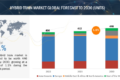
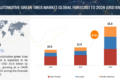
According to MarketsandMarkets, the hydrogen generation market size is expected to be valued at USD 157.81 billion in 2025 and USD 226.37 billion by 2030, growing at a CAGR of 7.5% during the forecast period. The hydrogen generation market is expected to grow due to the global shift toward clean energy and the rising demand for hydrogen across various industries, such as refining, ammonia production, steelmaking, and transportation. Supportive government policies, national hydrogen strategies, and increasing investments fuel the development of low-carbon and green hydrogen projects.
The rapid advancement and commercialization of next-generation electrolyzer technologies, such as solid oxide and proton exchange membrane (PEM) systems, are set to transform the hydrogen generation landscape. These innovative electrolyzers deliver higher efficiency, lower electricity consumption, and enhanced compatibility with intermittent renewable energy sources, such as wind and solar. Furthermore, the development of modular and scalable designs drives down capital costs and enables localized, decentralized hydrogen production closer to end users. As these technologies continue to mature and benefit from economies of scale, they are expected to significantly reduce the cost of green hydrogen, making it increasingly competitive with fossil-based alternatives. This shift is poised to accelerate hydrogen adoption across industrial, mobility, and energy storage applications, fundamentally reshaping the global hydrogen value chain.
Download PDF Brochure: https://www.marketsandmarkets.com/pdfdownloadNew.asp?id=494
Based on region, Asia Pacific is expected to dominate the hydrogen generation market during the forecast period due to rapid industrialization and significant investments in clean energy infrastructure across countries such as China, India, and Japan. Strong government support through policies, subsidies, and national hydrogen strategies has accelerated the adoption of hydrogen as a key energy carrier to reduce dependence on fossil fuels and cut carbon emissions. China, for instance, has set aggressive targets for hydrogen production and fuel cell vehicle deployment, supported by extensive infrastructure development. Japan has been a pioneer in hydrogen technology, promoting hydrogen-based mobility and establishing a robust network of refueling stations.
By technology, the hydrogen generation market is segmented into steam methane reforming (SMR), partial oxidation (POX), coal gasification, auto thermal reforming (ATR), and electrolysis. The SMR segment holds the dominant share, primarily due to its well-established infrastructure and cost-efficient production, especially for grey hydrogen. In the short to medium term, the petroleum refining sector remains the largest hydrogen consumer. Within this industry, hydrogen is typically produced on-site via SMR, recovered as a by-product from petrochemical processes, or sourced externally in the form of merchant hydrogen, depending on operational requirements and cost considerations.
Based on generation and delivery mode, the hydrogen generation market is categorized into captive and merchant. The captive segment stands out as the dominant mode for hydrogen production, particularly in refinery applications, due to its ability to provide a secure, continuous, and cost-effective hydrogen supply directly on-site. Unlike the merchant segment, which relies on external supply chains and incurs additional transportation and storage costs, captive generation ensures uninterrupted availability tailored to specific operational needs. This mode is extensively adopted in critical sectors, such as oil refining, food production, metals treatment, and fertilizer manufacturing, where reliability and process integration are crucial. By producing hydrogen internally, industries gain greater control over production quality, reduce exposure to market price fluctuations, and enhance overall operational efficiency. Additionally, the growing interest in emerging applications, including transportation and power generation, further reinforces the dominance of captive hydrogen.
Key Market Players:
- Linde plc (Ireland),
- Air Liquide (France),
- Saudi Arabian Oil Co. (Saudi Arabia),
- Air Products and Chemicals, Inc. (US),
- Shell plc (UK),
- ENGIE (France),
- Chevron Corporation (US),
- Ørsted A/S (Denmark),
- Messer SE & Co. KGaA (Germany) among others…
Ask Sample Pages of the Report – https://www.marketsandmarkets.com/requestsampleNew.asp?id=494
To strengthen the market position, key players focus on large-scale green hydrogen projects, renewable energy integration, and innovative partnerships. These companies possess robust technological expertise and extensive global infrastructure, enabling them to serve diverse end-use industries, such as refining, chemicals, transportation, and power generation. They maintain a broad hydrogen production portfolio covering gray, blue, and green hydrogen technologies, and are increasingly investing in low-carbon hydrogen to meet rising sustainability demands.