The Asia Pacific anti-drone market is witnessing rapid expansion as regional governments, defense agencies, and commercial organizations respond to the growing threat posed by unauthorized unmanned aerial vehicles (UAVs). Increasing drone intrusions near military installations, airports, critical infrastructure, and public venues are accelerating investments in advanced drone detection and disruption systems across the region.
The Asia Pacific anti-drone market is projected to reach USD 3.89 billion by 2030 from USD 1.05 billion in 2025, at a CAGR of 30.0% from 2025 to 2030, supported by rising defense budgets, modernization of homeland security systems, and increasing adoption of counter-UAV technologies across military, commercial, and homeland security sectors.
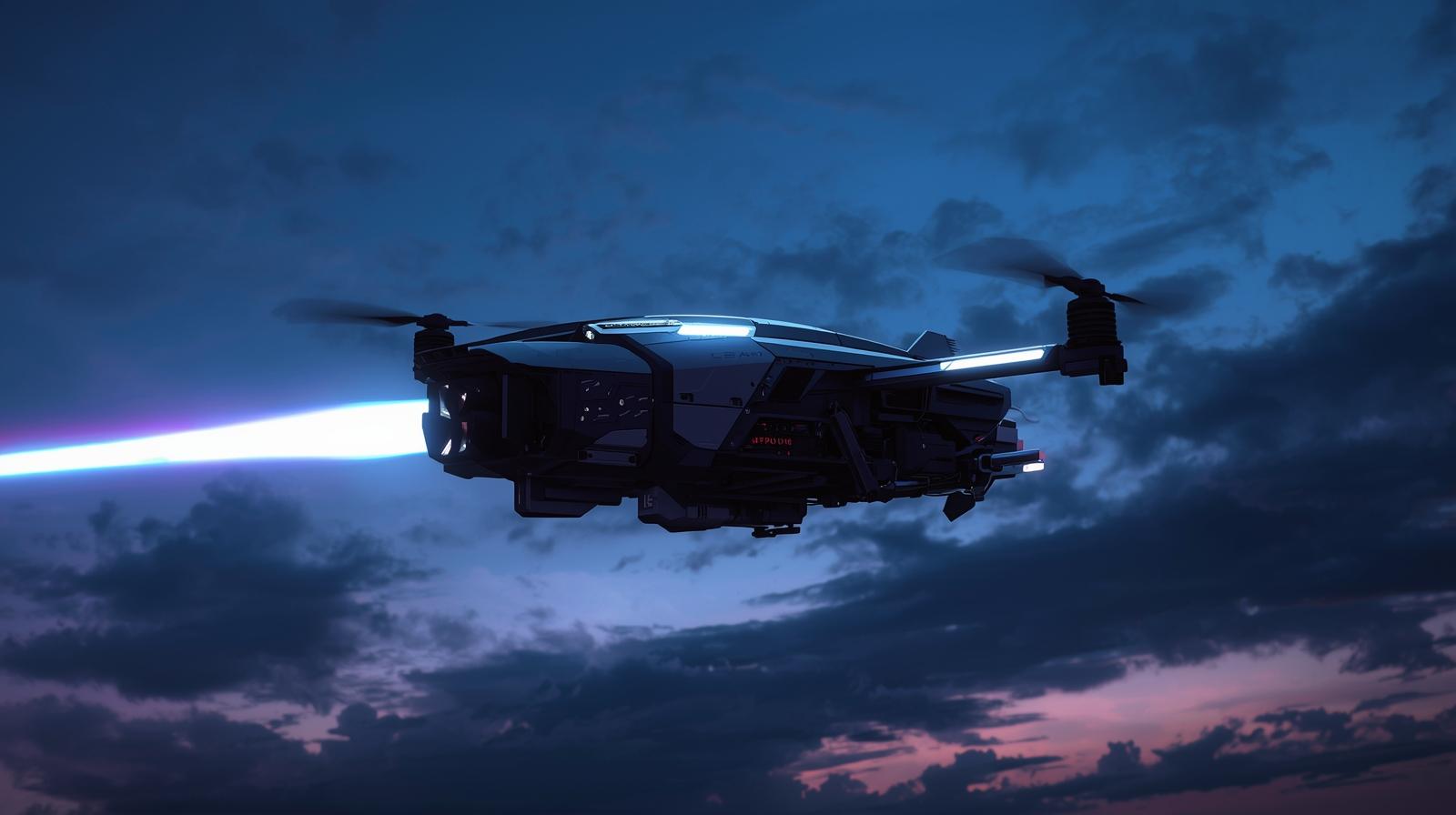
Asia Pacific Anti-Drone Market Overview
The Asia Pacific region has emerged as one of the fastest-growing markets for anti-drone systems, driven by rising geopolitical tensions, border security concerns, and increasing use of drones for both civilian and malicious purposes. Countries such as China, India, Japan, South Korea, and Australia are heavily investing in counter-UAS solutions to protect airspace from surveillance, smuggling, and potential attacks.
The market includes a wide range of systems designed for drone detection, identification, tracking, and neutralization, deployed across ground-based, handheld, and UAV-based platforms.
By 2030, the Asia Pacific anti-drone market is expected to witness significant growth in market value, registering a high CAGR during the forecast period, as demand increases from military & defense, commercial infrastructure, and homeland security agencies.
Key Growth Drivers of the Asia Pacific Anti-Drone Market
Rising Security Threats from Unauthorized Drones
The increasing availability of low-cost commercial drones has created new security vulnerabilities across Asia Pacific. Drones are being misused for surveillance, contraband delivery, and disruption of sensitive operations, driving demand for anti-drone detection and mitigation systems.
Increasing Defense and Homeland Security Investments
Governments across the region are strengthening their defense capabilities to address asymmetric threats. Anti-drone systems are now considered a critical component of modern air defense and homeland security infrastructure, contributing to sustained market growth.
Protection of Critical Infrastructure
Airports, power plants, oil & gas facilities, borders, and public venues are increasingly deploying counter-drone solutions to prevent operational disruptions and safety risks, boosting adoption in the commercial sector.
Technological Advancements in Counter-UAV Systems
Continuous innovation in radar, RF detection, electro-optical sensors, laser systems, and electronic warfare technologies is improving the effectiveness of anti-drone solutions, supporting higher adoption rates across Asia Pacific.
Market Segmentation Analysis
By System Type
Electronic Systems
Electronic anti-drone systems dominate the Asia Pacific market due to their effectiveness in detecting and neutralizing drones using radio frequency jamming and spoofing technologies. These systems are widely adopted by military and homeland security agencies.
Kinetic Systems
Kinetic systems physically intercept drones using projectiles or interceptor drones. These solutions are primarily used in high-security military applications, where immediate neutralization is required.
Laser Systems
Laser-based anti-drone systems are gaining traction due to their precision targeting and low operational costs. Defense organizations are increasingly testing and deploying directed-energy weapons for counter-UAV operations.
Hybrid Systems
Hybrid anti-drone systems combine electronic, kinetic, and laser technologies to deliver multi-layered defense capabilities, making them highly effective in complex threat environments.
By Platform
Ground-Based Systems
Ground-based anti-drone systems account for the largest market share, as they are widely deployed to protect military bases, airports, borders, and critical infrastructure.
Handheld Systems
Handheld counter-drone devices are increasingly used by law enforcement and security forces for mobile and rapid response operations, especially during public events.
UAV-Based Systems
UAV-based anti-drone solutions are emerging as advanced platforms capable of detecting and neutralizing hostile drones mid-air, enhancing operational flexibility.
By Technology
Detection Systems
Detection systems play a vital role in identifying unauthorized drones using radar, RF scanners, acoustic sensors, and electro-optical technologies.
Detection & Disruption Systems
Detection and disruption systems dominate the market, as organizations seek end-to-end solutions that not only identify drones but also neutralize threats through jamming, spoofing, or interception.
By End User
Military & Defense
The military & defense segment represents the largest share of the Asia Pacific anti-drone market. Armed forces across the region are deploying counter-UAV systems to protect borders, bases, naval assets, and strategic locations.
Commercial
Commercial applications include airports, industrial facilities, energy infrastructure, and large public venues. Increasing drone interference incidents are driving commercial adoption.
Homeland Security
Homeland security agencies are investing heavily in anti-drone systems to enhance public safety, border surveillance, and critical infrastructure protection, contributing significantly to market growth.
Asia Pacific Anti-Drone Market Forecast to 2030
According to MarketsandMarkets analysis, the Asia Pacific anti-drone market is projected to reach USD 3.89 billion by 2030 from USD 1.05 billion in 2025, at a CAGR of 30.0% from 2025 to 2030, driven by rising security concerns and increasing deployment of advanced counter-UAV technologies.
- Forecast Year: 2030
- Growth Outlook: Strong market expansion across military, commercial, and homeland security sectors
- CAGR: High double-digit CAGR expected during the forecast period
The market is anticipated to achieve substantial growth in overall market value by 2030, supported by technological innovation and expanding application areas.
Download PDF Brochure @ https://www.marketsandmarkets.com/pdfdownloadNew.asp?id=170379831
Country-Level Insights
Major Asia Pacific economies such as China, India, Japan, South Korea, and Australia are leading the adoption of anti-drone technologies. These countries are focusing on indigenous development, technology partnerships, and procurement of advanced counter-UAV systems to strengthen national security.
Emerging economies in Southeast Asia are also increasing investments in border surveillance and critical infrastructure protection, creating new growth opportunities for market players.
FAQs – Asia Pacific Anti-Drone Market
1. What is driving the growth of the Asia Pacific anti-drone market?
The market is driven by rising drone security threats, increased defense spending, protection of critical infrastructure, and advancements in counter-UAV technologies.
2. Which systems are most widely used in anti-drone solutions?
Electronic systems and detection & disruption systems are the most widely adopted due to their effectiveness and operational flexibility.
3. Who are the major end users of anti-drone systems in Asia Pacific?
Major end users include military & defense organizations, commercial infrastructure operators, and homeland security agencies.
4. What is the forecast period for the Asia Pacific anti-drone market?
The market forecast extends up to 2030, with strong growth expected throughout the period.
5. What technologies are shaping the future of the anti-drone market?
Advanced radar systems, RF detection, laser weapons, AI-based analytics, and hybrid counter-UAV solutions are shaping the future of the market.
