Introduction
The increasing prevalence of severe respiratory and cardiac disorders has significantly boosted the demand for ECMO Machines across healthcare facilities worldwide. Extracorporeal Membrane Oxygenation (ECMO) systems are advanced life-support devices designed to provide prolonged cardiac and respiratory support to critically ill patients whose heart and lungs are unable to function adequately on their own.
ECMO technology gained remarkable attention during the COVID-19 pandemic, where it played a crucial role in managing severe respiratory failure cases. Today, hospitals and critical care centers are increasingly investing in ECMO systems to improve patient survival rates and enhance intensive care capabilities.
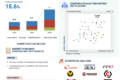
ECMO Machines Market is projected to reach USD 0.86 billion by 2030 from USD 0.65 billion in 2025, at a CAGR of 5.8% during the forecast period.
What are ECMO Machines?
ECMO Machines are sophisticated medical devices that temporarily replace the function of the heart and lungs by circulating blood outside the body, removing carbon dioxide, and oxygenating the blood before returning it to the patient.
These systems are commonly used in:
- Severe Acute Respiratory Distress Syndrome (ARDS)
- Cardiac failure
- Heart transplantation support
- Lung transplantation support
- Pulmonary embolism
- Severe pneumonia
- Neonatal respiratory disorders
- Post-cardiotomy shock
ECMO acts as a bridge to recovery, transplantation, or long-term mechanical support.
Key Components of ECMO Machines
Modern ECMO systems consist of several essential components:
1. Pump
The pump circulates blood through the extracorporeal circuit. Centrifugal pumps are widely preferred due to reduced blood trauma and improved safety.
2. Oxygenator
The oxygenator functions as an artificial lung, facilitating oxygen exchange and carbon dioxide removal.
3. Cannulas
Cannulas are specialized tubes inserted into large blood vessels to withdraw and return blood.
4. Heat Exchanger
This component maintains blood temperature during circulation.
5. Monitoring System
Advanced monitoring systems help clinicians track blood flow, oxygen levels, pressure, and temperature in real time.
Types of ECMO Machines
Veno-Venous (VV) ECMO
VV ECMO primarily supports lung function and is commonly used in severe respiratory failure cases.
Applications:
- ARDS
- Severe COVID-19 complications
- Pulmonary infections
Veno-Arterial (VA) ECMO
VA ECMO supports both heart and lung function.
Applications:
- Cardiogenic shock
- Cardiac arrest
- Myocarditis
- Heart surgery recovery
Major Factors Driving the ECMO Machines Market
Rising Incidence of Cardiopulmonary Diseases
The growing prevalence of respiratory disorders, heart failure, and chronic lung diseases is fueling the adoption of ECMO technology globally.
Technological Advancements
Manufacturers are introducing compact, portable, and highly efficient ECMO systems with improved biocompatibility and digital monitoring features.
Growth in Critical Care Infrastructure
Healthcare institutions are expanding ICU capacity and investing in advanced life-support equipment to manage critically ill patients effectively.
Increasing Adoption in Neonatal and Pediatric Care
ECMO therapy is increasingly used in neonatal intensive care units (NICUs) and pediatric critical care settings.
Rising Awareness Among Healthcare Professionals
Growing training programs and clinical expertise in ECMO management are improving adoption rates worldwide.
Challenges in the ECMO Machines Industry
Despite rapid growth, several factors may restrain market expansion:
- High cost of ECMO equipment and procedures
- Need for highly skilled professionals
- Risk of complications such as bleeding and infection
- Limited availability in smaller healthcare facilities
However, continuous technological improvements and rising healthcare investments are expected to address these limitations over time.
Latest Trends in ECMO Technology
Portable ECMO Systems
Compact ECMO devices are improving patient mobility and enabling emergency transport support.
Integration of Artificial Intelligence
AI-powered monitoring systems are helping clinicians optimize ECMO management and improve patient outcomes.
Improved Biocompatible Materials
Advanced coating technologies are reducing clot formation and inflammatory responses.
Expansion of Mobile ECMO Programs
Hospitals are increasingly deploying mobile ECMO units for rapid emergency response and inter-hospital patient transfer.
Regional Insights
North America
North America dominates the ECMO Machines market due to advanced healthcare infrastructure, high adoption of critical care technologies, and strong presence of leading medical device manufacturers.
Europe
Europe continues to witness steady growth driven by increasing cardiac surgeries and government healthcare investments.
Asia-Pacific
Asia-Pacific is expected to experience the fastest growth owing to expanding hospital infrastructure, rising healthcare expenditure, and increasing awareness regarding advanced life-support systems.
Competitive Landscape
Leading companies operating in the ECMO Machines market focus on:
- Product innovation
- Strategic partnerships
- Research & development
- Geographic expansion
- Advanced patient monitoring technologies
Key industry participants are continuously enhancing system efficiency, portability, and patient safety.
Future Outlook of ECMO Machines Market
The future of ECMO technology appears highly promising as healthcare systems increasingly prioritize advanced critical care solutions. Growing investments in ICU infrastructure, rising prevalence of respiratory diseases, and innovations in extracorporeal life support systems are expected to accelerate market growth in the coming years.
The integration of smart monitoring technologies, portable systems, and AI-driven analytics will likely redefine ECMO therapy and improve patient survival outcomes globally.
FAQs About ECMO Machines
1. What is an ECMO machine used for?
An ECMO machine is used to provide temporary heart and lung support for critically ill patients suffering from severe respiratory or cardiac failure.
2. What does ECMO stand for?
ECMO stands for Extracorporeal Membrane Oxygenation.
3. What are the main types of ECMO?
The two primary types are:
- Veno-Venous (VV) ECMO
- Veno-Arterial (VA) ECMO
4. Is ECMO considered life support?
Yes, ECMO is an advanced form of life support used in intensive care settings.
5. Who needs ECMO therapy?
Patients with severe heart or lung failure who do not respond to conventional treatments may require ECMO support.