The global demand for cell-based assays is growing rapidly as pharmaceutical, biotechnology, and academic research organizations increasingly rely on advanced cellular analysis tools for drug discovery, toxicity testing, cancer research, and personalized medicine. Cell-based assays have become essential in evaluating biological activity, understanding disease pathways, and accelerating therapeutic development.
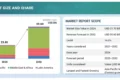
The cell-based assays (CBA) market is projected to reach USD 25.77 billion by 2030 from USD 18.13 billion in 2025 at a CAGR of 7.3% during the forecast period. The major factors driving the growth of this market include growing demand for drug discovery & development and increasing preference for cell-based assays in drug discovery, rising prevalence of cancer, and government support and funding for cell-based research.
The market is benefiting from the rising prevalence of chronic diseases, growing investments in biopharmaceutical R&D, and increasing adoption of high-throughput screening technologies. Advancements in 3D cell culture, automation, artificial intelligence, and assay miniaturization are also transforming the landscape of cellular research.
Several major companies are leading the cell-based assays market by offering innovative platforms, reagents, instruments, and analytical solutions that improve research efficiency and experimental accuracy.
Key Companies Leading the Cell-Based Assays Market
Thermo Fisher Scientific
Thermo Fisher Scientific is one of the most influential players in the global cell-based assays market. The company provides a comprehensive portfolio of cell analysis instruments, assay kits, reagents, and cell culture solutions widely used in pharmaceutical and academic laboratories. Its advanced imaging systems, flow cytometry technologies, and high-content screening platforms support applications ranging from oncology to stem cell research.
The company’s strong global presence and continuous investment in life sciences innovation have strengthened its position as a preferred partner for drug discovery and translational research.
Download a PDF Brochure @ https://www.marketsandmarkets.com/pdfdownloadNew.asp?id=119917269
Danaher Corporation
Danaher Corporation plays a major role in the cell-based assays market through its life sciences subsidiaries, including Beckman Coulter Life Sciences and Molecular Devices. The company offers automated cellular imaging systems, microplate readers, and screening technologies designed to improve laboratory productivity and precision.
Danaher’s solutions are widely utilized in biologics development, immunology, and cell signaling studies. Its focus on automation and workflow optimization is helping researchers accelerate experimental timelines and improve reproducibility.
Agilent Technologies
Agilent Technologies is a prominent provider of cell analysis and bioanalytical solutions. The company develops advanced cellular imaging instruments, microplate technologies, and software platforms that support drug screening and toxicity analysis.
Agilent’s expertise in laboratory automation and analytical technologies enables researchers to conduct complex cell-based studies with greater sensitivity and accuracy. The company continues to expand its capabilities in live-cell imaging and biomarker analysis.
PerkinElmer
PerkinElmer has established a strong presence in the cell-based assays sector by offering high-content screening systems, assay reagents, and imaging technologies. The company’s platforms are widely used in cancer biology, infectious disease research, and neurobiology applications.
Its advanced automation tools and data analysis software help laboratories streamline workflows and manage large-scale screening projects efficiently. PerkinElmer also focuses heavily on integrating AI-driven analytics into cellular research platforms.
Bio-Rad Laboratories
Bio-Rad Laboratories is recognized for its broad range of cell biology products, including cell imaging systems, reagents, and assay kits. The company supports researchers in applications such as cell viability analysis, apoptosis detection, and gene expression studies.
Bio-Rad’s commitment to precision diagnostics and reproducible research has made it a trusted partner for both academic and commercial laboratories worldwide.
Merck KGaA
Merck KGaA, operating through its life science business, provides innovative cell culture media, assay reagents, and cellular analysis technologies. The company focuses strongly on biopharmaceutical manufacturing and next-generation cell biology research.
Its solutions support advanced therapeutic development, including cell and gene therapies, immunotherapy, and regenerative medicine applications. Merck continues to invest heavily in expanding its life sciences infrastructure globally.
Promega Corporation
Promega Corporation is known for its high-quality luminescent and fluorescent cell-based assay technologies. The company develops sensitive assay systems used for drug screening, toxicity testing, and pathway analysis.
Promega’s innovative products are particularly valuable in oncology and immunology research, where accurate cellular responses are critical for evaluating therapeutic effectiveness.
Emerging Trends in the Cell-Based Assays Market
The cell-based assays industry is evolving rapidly due to several technological and scientific advancements, including:
- Growing adoption of 3D cell culture and organoid models
- Increasing use of AI-powered cellular imaging and analytics
- Expansion of personalized medicine and precision therapeutics
- Rising demand for high-throughput screening systems
- Increased focus on biologics and cell therapy development
- Automation of laboratory workflows for faster research outcomes
Additionally, pharmaceutical companies are increasingly partnering with assay technology providers to improve drug development efficiency and reduce late-stage clinical failures.
Future Outlook
The future of the cell-based assays market looks highly promising as demand for advanced drug discovery platforms and predictive cellular models continues to rise. The growing emphasis on precision medicine, immunotherapy, and regenerative medicine will further accelerate innovation in assay technologies.
Leading companies are expected to continue investing in automation, artificial intelligence, and next-generation imaging systems to enhance assay sensitivity and scalability. As biomedical research becomes more data-driven and personalized, cell-based assays will remain a critical component of modern healthcare innovation and therapeutic development.
Request a Sample Pages @ https://www.marketsandmarkets.com/requestsampleNew.asp?id=119917269