The smart home industry is rapidly evolving from simple connected devices into fully integrated, intelligent living ecosystems. At the center of this transformation are global technology leaders that are reshaping how homes operate, respond, and adapt to human needs. Among them, Honeywell International Inc. stands out as a key innovator, leveraging decades of expertise in automation, control systems, and building technologies to redefine residential comfort and security.
According to insights from MarketsandMarkets, smart home market is projected to reach USD 230.76 billion in 2026 and USD 450.20 billion by 2032, exhibiting a CAGR of 11.8%, the global smart home market is witnessing strong growth, driven by increasing adoption of IoT-enabled devices, rising demand for energy efficiency, and growing consumer focus on safety, convenience, and remote home management. In this dynamic environment, Honeywell is strategically positioning itself as a leader in intelligent climate control and integrated home security solutions.
This article explores how Honeywell’s smart home strategy is shaping the future of connected living through advanced climate systems, security integration, and AI-driven automation.
The Smart Home Revolution and Honeywell’s Position
The smart home ecosystem includes a wide range of technologies such as lighting automation, HVAC systems, security and access control, home entertainment, and connected appliances. These systems are increasingly being unified under centralized platforms that allow users to monitor and control their homes from anywhere.
MarketsandMarkets highlights that smart homes are being driven by increasing digitalization, rising disposable incomes, and growing consumer demand for remote monitoring and energy-efficient solutions.
Within this expanding market, Honeywell has strategically focused on two core pillars:
- Intelligent climate and energy management
- Advanced home security and access control
This dual-focus strategy allows the company to address both comfort and safety—two of the most important consumer priorities in residential environments.
Intelligent Climate Control: Redefining Home Comfort
One of the strongest pillars of Honeywell’s smart home strategy is its leadership in HVAC (Heating, Ventilation, and Air Conditioning) and climate control systems.
1. Smart Thermostats and Energy Optimization
Honeywell’s smart thermostats are designed to learn user behavior and automatically adjust temperature settings for maximum comfort and energy efficiency. By analyzing occupancy patterns, weather conditions, and user preferences, these systems reduce unnecessary energy consumption.
This aligns with a key trend in the smart home market: growing demand for energy-efficient and low-carbon living solutions.
2. Predictive Climate Automation
Instead of manual adjustments, Honeywell’s systems increasingly rely on predictive algorithms. These systems can anticipate temperature changes and adjust HVAC operations in advance, ensuring consistent indoor comfort.
This level of automation represents a shift from reactive to intelligent climate management.
3. Integration with Broader Smart Home Ecosystems
Honeywell’s climate systems are designed to integrate seamlessly with other smart home devices such as lighting, blinds, and occupancy sensors. This creates a synchronized environment where multiple systems work together to optimize comfort and efficiency.
Smart Security Systems: Enhancing Home Protection
Security is another critical pillar of Honeywell’s smart home strategy. As homeowners become more concerned about safety and real-time monitoring, demand for intelligent security solutions is growing rapidly.
1. Connected Security Infrastructure
Honeywell offers integrated solutions that include:
- Smart alarms
- Surveillance systems
- Motion detectors
- Access control systems
These systems provide real-time alerts and remote monitoring capabilities, allowing homeowners to stay connected to their property at all times.
2. AI-Enabled Threat Detection
Modern security systems are evolving beyond traditional alarm-based models. Honeywell is incorporating AI and analytics to detect unusual activity patterns, reduce false alarms, and improve response accuracy.
3. Remote Access and Mobile Control
Through mobile applications, users can lock doors, view live camera feeds, and receive instant notifications. This enhances both convenience and peace of mind, especially for frequent travelers or multi-property owners.
Integration: The Core of Honeywell’s Smart Home Strategy
A key strength of Honeywell’s approach is system integration. Instead of offering isolated products, the company focuses on building interconnected ecosystems where climate, security, lighting, and energy systems communicate seamlessly.
This integration is aligned with broader market trends where smart homes are evolving into centralized digital platforms rather than fragmented device networks.
By combining HVAC systems with security and automation platforms, Honeywell enables:
- Unified control through single interfaces
- Improved energy efficiency
- Enhanced user experience
- Real-time system coordination
Download PDF Brochure @ https://www.marketsandmarkets.com/pdfdownloadNew.asp?id=121
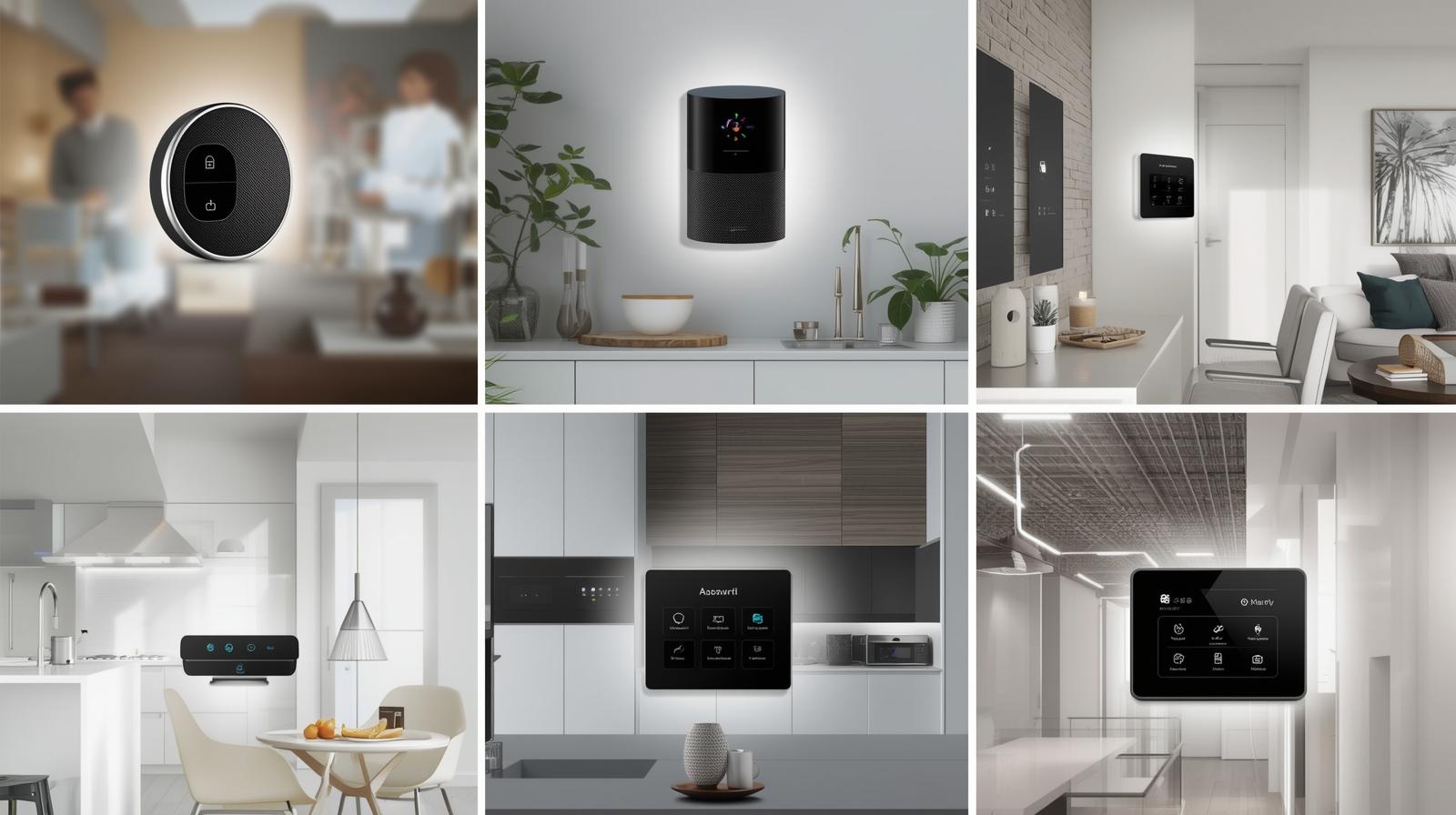
Role of IoT and Cloud in Honeywell’s Strategy
The foundation of Honeywell’s smart home ecosystem is built on IoT connectivity and cloud-based platforms.
IoT Connectivity
Sensors embedded in devices collect real-time data on temperature, movement, humidity, and occupancy. This data is continuously analyzed to improve automation and system responsiveness.
Cloud-Based Intelligence
Cloud computing allows Honeywell systems to process large volumes of data and deliver insights that improve performance over time. It also enables remote access and system updates without requiring physical intervention.
Market Drivers Supporting Honeywell’s Growth
The expansion of Honeywell’s smart home business is supported by several global trends:
1. Rising Demand for Energy Efficiency
Consumers are actively seeking solutions that reduce electricity consumption and lower utility costs.
2. Increasing Urbanization
Smart homes are becoming essential in urban residential developments where space optimization and automation are key.
3. Growth of IoT Ecosystems
The proliferation of connected devices is making smart home adoption more accessible and affordable.
4. Focus on Safety and Security
Increasing concerns about home safety are driving demand for intelligent security systems.
All these factors contribute to the strong growth outlook of the global smart home market, as highlighted by MarketsandMarkets.
Competitive Landscape and Honeywell’s Advantage
The smart home industry is highly competitive, with major players such as Siemens, Amazon, Apple, Bosch, and ABB actively innovating in this space. However, Honeywell’s advantage lies in its deep expertise in industrial automation and building technologies.
Unlike many consumer-focused tech companies, Honeywell brings:
- Strong engineering background in HVAC systems
- Established leadership in security and fire safety
- Deep integration experience in building management systems
- Strong enterprise-to-residential technology transfer
This positions Honeywell uniquely in the convergence of industrial-grade reliability and consumer-friendly smart home innovation.
Future Outlook: Where Honeywell is Heading
The future of Honeywell’s smart home strategy is expected to focus on:
1. AI-Powered Predictive Homes
Homes that anticipate user needs before manual input.
2. Fully Integrated Energy Ecosystems
Combining HVAC, lighting, and energy storage into unified systems.
3. Enhanced Cybersecurity for Smart Homes
Protecting connected devices from increasing digital threats.
4. Expansion into Assisted Living Solutions
Supporting elderly care and health monitoring within smart home environments.
As smart homes evolve, Honeywell is likely to play a central role in shaping intelligent, secure, and energy-efficient living environments.
Conclusion
Honeywell’s smart home strategy is built on a clear vision: delivering intelligent climate control and advanced security systems that enhance residential comfort, safety, and efficiency.
By leveraging IoT, AI, and cloud technologies, the company is transforming traditional homes into connected ecosystems that are adaptive, predictive, and highly efficient.
As the smart home market continues its rapid expansion, Honeywell’s integrated approach positions it strongly in the global shift toward intelligent living.
The future of homes is not just connected—it is intelligent, automated, and secure, and Honeywell is helping lead that transformation
