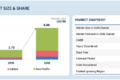
The global Spine MRI System Market is witnessing steady growth as healthcare providers increasingly prioritize high-resolution, non-invasive diagnostic imaging for spinal conditions. Valued at USD 0.70 billion in 2025, the market reached USD 0.74 billion in 2026 and is projected to expand at a resilient compound annual growth rate (CAGR) of 7.5% from 2026 to 2031. By the end of the forecast period, the market is expected to achieve a valuation of USD 1.07 billion.
The growing prevalence of degenerative spinal disorders, lower back pain, spinal cord injuries, herniated discs, and other musculoskeletal conditions is creating sustained demand for advanced magnetic resonance imaging solutions. Spine MRI systems enable detailed visualization of vertebrae, intervertebral discs, spinal nerves, soft tissues, and the spinal cord without exposing patients to ionizing radiation, making MRI a critical diagnostic tool in modern spine care.
Rising Burden of Spinal Disorders Fuels Market Expansion
The increasing incidence of spinal diseases represents a significant growth driver for the Spine MRI System Market. Aging populations, sedentary lifestyles, obesity, poor posture, and occupational strain are contributing to a growing number of patients experiencing chronic back and neck conditions.
Healthcare professionals are increasingly relying on MRI examinations to diagnose spinal stenosis, degenerative disc disease, tumors, infections, fractures, congenital abnormalities, and nerve compression. Early and accurate diagnosis allows clinicians to develop targeted treatment strategies and determine whether patients require physical therapy, medication, minimally invasive procedures, or surgical intervention.
The rising global focus on early disease detection and precision diagnostics is further supporting the adoption of advanced spine MRI technologies across hospitals, diagnostic imaging centers, and specialized orthopedic and neurological facilities.
Technological Advancements Transform Spine MRI Imaging
Continuous innovation in magnetic resonance imaging technology is reshaping spinal diagnostics. Modern MRI systems are being designed to deliver higher image resolution, faster scan times, improved patient comfort, and enhanced workflow efficiency.
Artificial intelligence and advanced image reconstruction technologies are increasingly being integrated into MRI platforms to improve image quality and reduce scanning time. AI-powered solutions can support automated image analysis, noise reduction, anatomical identification, and workflow optimization, enabling radiologists to interpret complex spinal images more efficiently.
High-field MRI systems, including advanced 1.5T and 3T platforms, continue to gain traction due to their ability to generate detailed anatomical images. At the same time, open and dedicated MRI systems are addressing patient comfort challenges associated with conventional closed MRI scanners.
Open MRI technologies can be particularly beneficial for claustrophobic, obese, pediatric, and elderly patients. These systems may improve patient accessibility and help healthcare providers expand diagnostic imaging services to broader patient populations.
Growing Demand for Non-Invasive Diagnostic Imaging
MRI has become an essential diagnostic modality for evaluating spinal conditions because of its ability to provide detailed soft-tissue contrast without ionizing radiation. Compared with certain conventional imaging techniques, MRI offers superior visualization of the spinal cord, nerve roots, ligaments, discs, and surrounding tissues.
The growing preference for non-invasive diagnostic procedures is encouraging healthcare organizations to invest in advanced MRI infrastructure. Additionally, increasing awareness among patients and physicians regarding early spinal disease diagnosis is supporting higher imaging volumes.
The expansion of diagnostic imaging centers, particularly across emerging healthcare markets, is expected to create new growth opportunities for spine MRI system manufacturers. Healthcare infrastructure development, rising medical expenditure, and increasing access to specialized diagnostic services are further strengthening market prospects.
Hospitals and Diagnostic Imaging Centers Drive System Adoption
Hospitals remain important end users of spine MRI systems due to the high volume of neurological, orthopedic, emergency, and surgical cases managed in these facilities. Advanced MRI capabilities support multidisciplinary clinical teams by providing detailed diagnostic information required for treatment planning and surgical evaluation.
Diagnostic imaging centers are also expanding their MRI capabilities as demand for specialized and outpatient imaging services increases. Independent imaging providers are investing in advanced systems that offer improved throughput, faster scanning, and enhanced patient experiences.
The growing trend toward outpatient diagnostic services is expected to support the adoption of efficient MRI systems capable of managing increasing patient volumes while maintaining image quality.
Emerging Markets Present Significant Growth Opportunities
Developing healthcare markets across Asia Pacific and other emerging regions are expected to offer attractive opportunities for companies operating in the Spine MRI System Market. Rising healthcare investments, expanding hospital networks, increasing diagnostic awareness, and growing demand for advanced medical imaging technologies are supporting market development.
Countries with rapidly aging populations and increasing incidences of chronic musculoskeletal disorders are expected to experience growing demand for spine imaging services. Government initiatives aimed at improving healthcare infrastructure and expanding access to diagnostic technologies may further encourage MRI system installations.
Manufacturers are increasingly focusing on developing cost-efficient, compact, and technologically advanced MRI systems to address the needs of healthcare facilities in emerging markets.
Competitive Landscape: Leading Companies Strengthen MRI Innovation
The Spine MRI System Market features several established medical imaging companies competing through technological innovation, product development, strategic partnerships, and geographic expansion.
Key companies operating in the market include GE HealthCare (US), Fujifilm Corporation (Japan), Philips Healthcare (Netherlands), Siemens Healthineers (Germany), Canon Medical Systems (Japan), Fonar Corporation (US), Shanghai United Imaging Healthcare Co., Ltd. (China), Aspect Imaging Ltd. (US), Esaote S.p.A. (Italy), and Neusoft Medical Systems Co., Ltd. (China).
Market participants are focusing on improving MRI image quality, reducing scan duration, integrating artificial intelligence, and enhancing patient comfort. Companies are also developing advanced software solutions and imaging workflows that support radiologists in managing increasingly complex diagnostic requirements.
Strategic collaborations between imaging technology companies, healthcare organizations, and research institutions are expected to accelerate innovation in MRI technologies. Product upgrades and the introduction of next-generation imaging platforms may further strengthen competition within the market.
Future Outlook for the Spine MRI System Market
The future of the Spine MRI System Market is expected to be shaped by artificial intelligence, faster imaging technologies, improved image reconstruction, and patient-centric MRI designs. The increasing integration of digital technologies into medical imaging workflows is likely to improve diagnostic accuracy and operational efficiency.
As spinal disorders continue to affect a growing global population, demand for reliable and advanced diagnostic imaging solutions is expected to remain strong. Healthcare providers will increasingly seek MRI technologies that combine high-quality imaging with faster workflows and enhanced patient experiences.
With the market projected to grow from USD 0.74 billion in 2026 to USD 1.07 billion by 2031 at a CAGR of 7.5%, the Spine MRI System Market presents promising opportunities for medical imaging companies, healthcare providers, investors, and technology developers.
Continued advancements in MRI technology, combined with expanding healthcare infrastructure and rising demand for early spinal disease diagnosis, are expected to position spine MRI systems as a vital component of next-generation diagnostic imaging and precision spine care.