The demand for compact, high-resolution, and energy-efficient display technologies is accelerating as industries embrace augmented reality (AR), virtual reality (VR), wearable electronics, advanced automotive systems, and next-generation defense solutions. Microdisplays are emerging as a critical technology for delivering immersive visual experiences in applications where size, performance, and power efficiency are essential.
The Microdisplay Market is expected to witness significant growth through 2030, driven by rising adoption of AR/VR devices, increasing investments in wearable technology, advancements in OLED and MicroLED displays, and growing demand for lightweight head-mounted display solutions. These miniature display systems are transforming how users interact with digital content by enabling high pixel density, improved image quality, and enhanced portability. The global microdisplay market is expected to grow from USD 1.65 billion in 2025 to USD 5.33 billion by 2030, growing at a CAGR of 26.4%
As industries move toward more immersive and connected experiences, microdisplay technologies are becoming a foundation for future human-machine interaction.
Understanding Microdisplay Technology
Microdisplays are miniature display panels that typically measure less than one inch diagonally and are designed to provide high-resolution images within compact devices. Unlike conventional displays, microdisplays offer superior pixel density and are optimized for applications requiring small form factors and low power consumption.
Key advantages of microdisplays include:
- High pixel density
- Compact design
- Low power consumption
- Lightweight integration
- Enhanced image quality
- Improved visual immersion
These characteristics make microdisplays suitable for applications ranging from consumer electronics to aerospace and defense systems.
Key Market Growth Drivers
1. Rising Adoption of Augmented Reality and Virtual Reality Devices
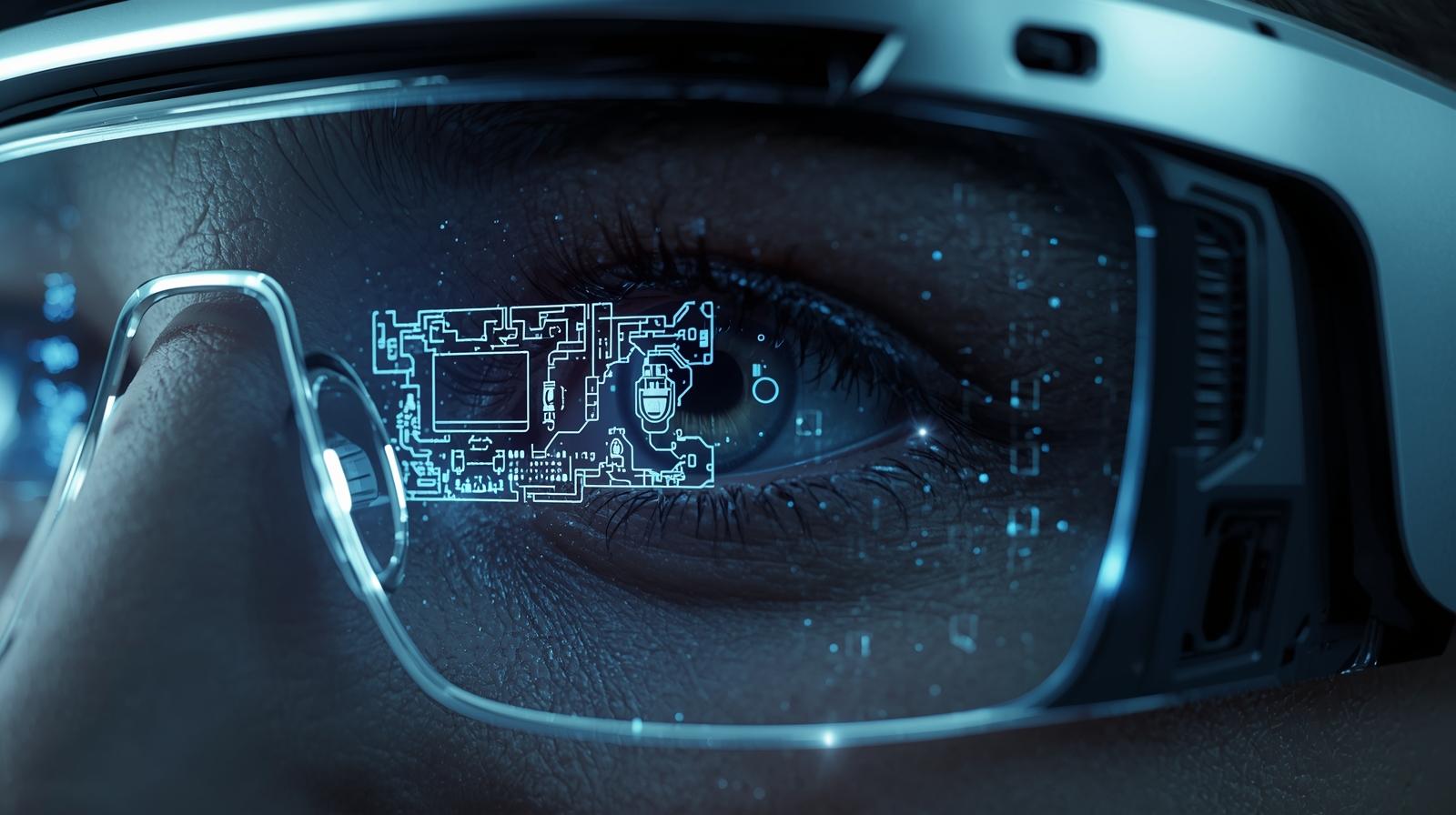
The expansion of AR and VR technologies is one of the major factors driving microdisplay market growth. Head-mounted displays, smart glasses, and immersive gaming devices require compact displays capable of delivering high-resolution visuals with minimal latency.
Increasing adoption of AR solutions in industries such as healthcare, education, manufacturing, retail, and entertainment is creating strong demand for advanced microdisplay technologies.
2. Growth of Wearable Electronics
The growing popularity of smart glasses, wearable computing devices, and connected accessories is accelerating demand for smaller and more efficient display solutions.
Microdisplays enable manufacturers to develop lightweight wearable devices while maintaining superior visual performance and extended battery life.
3. Increasing Demand for Advanced Automotive Displays
The automotive industry is increasingly adopting advanced display technologies for head-up displays (HUDs), augmented reality navigation systems, and driver assistance applications.
Microdisplays support clearer information visualization, improved safety features, and enhanced driving experiences in next-generation vehicles.
4. Rising Adoption in Defense and Aerospace Applications
Defense and aerospace industries are major users of microdisplay technologies due to their requirements for compact, high-performance visualization systems.
Applications include:
- Helmet-mounted displays
- Night vision systems
- Targeting systems
- Pilot assistance systems
- Military wearable technologies
The increasing focus on advanced situational awareness solutions is supporting market expansion.
Download PDF Brochure @ https://www.marketsandmarkets.com/pdfdownloadNew.asp?id=430
Market Segmentation
By Display Technology
OLED Microdisplays
OLED microdisplays are gaining popularity due to their high contrast ratio, fast response time, excellent image quality, and low power consumption. They are widely used in AR/VR headsets, electronic viewfinders, and professional imaging applications.
MicroLED Microdisplays
MicroLED technology is emerging as a promising next-generation display solution due to its high brightness, durability, and efficiency. It has significant potential for AR glasses, outdoor applications, and premium display systems.
LCoS (Liquid Crystal on Silicon) Microdisplays
LCoS microdisplays are widely used in projection systems, head-mounted displays, and industrial applications due to their high resolution and reliability.
DLP-Based Microdisplays
Digital Light Processing (DLP) technology is used in applications requiring compact projection and imaging solutions.
By Application
Consumer Electronics
Consumer electronics represent a significant opportunity area for microdisplays, particularly in AR glasses, VR headsets, gaming devices, and wearable technologies.
Automotive
Microdisplays are increasingly integrated into automotive HUD systems, enabling drivers to access navigation, safety alerts, and vehicle information without distraction.
Industrial and Enterprise
Industries are adopting microdisplay-based solutions for remote assistance, training, inspection, and operational support.
Healthcare
Healthcare applications include medical imaging devices, surgical visualization systems, and advanced diagnostic tools.
Aerospace and Defense
Defense applications continue to drive demand for high-performance microdisplays used in advanced optical and visualization systems.
Emerging Market Trends
1. Shift Toward MicroLED Technology
MicroLED is gaining attention as a future display technology due to its superior brightness, efficiency, and durability. Although manufacturing challenges remain, ongoing advancements are expected to improve adoption.
2. Increasing Demand for AR Smart Glasses
The development of lightweight and powerful AR glasses is creating new opportunities for microdisplay manufacturers. Companies are investing in compact display solutions capable of supporting immersive digital overlays.
3. Higher Resolution and Improved Visual Performance
Manufacturers are focusing on increasing pixel density, improving color accuracy, and reducing latency to meet the requirements of advanced applications.
4. Integration with Artificial Intelligence
AI-powered applications are enhancing the capabilities of wearable devices by enabling intelligent recognition, contextual information display, and improved user interaction.
5. Miniaturization and Energy Efficiency
The continuous push toward smaller and more efficient electronic devices is driving innovation in microdisplay design, materials, and manufacturing processes.
Growth Opportunities in the Microdisplay Market
Expansion of AR and Mixed Reality Applications
The growth of enterprise and consumer AR applications presents significant opportunities for microdisplay technology providers. Industries are exploring AR solutions for training, collaboration, maintenance, and customer engagement.
Development of Next-Generation Wearables
Future wearable devices will require advanced displays that combine compact size with high performance. Microdisplays are positioned to support emerging wearable computing ecosystems.
Increasing Defense Modernization Programs
Defense organizations worldwide are investing in advanced visualization and wearable technologies, creating opportunities for specialized microdisplay solutions.
Growth of Smart Automotive Systems
The increasing adoption of connected vehicles, autonomous driving technologies, and advanced driver assistance systems is expected to expand microdisplay applications.
Challenges Affecting Market Growth
Despite strong growth potential, the microdisplay market faces several challenges:
- High manufacturing costs
- Complex production processes
- Limited availability of advanced manufacturing capabilities
- Challenges in achieving mass adoption of AR devices
- Competition among display technologies
However, continued investments in research and development are expected to improve manufacturing efficiency and reduce costs.
Future Outlook
The Microdisplay Market Outlook through 2030 remains highly promising as demand grows for immersive, compact, and high-performance display solutions. Advancements in OLED, MicroLED, and other display technologies will continue to improve image quality, efficiency, and application possibilities.
The combination of AR/VR expansion, wearable technology growth, automotive innovation, and defense modernization will create new opportunities for microdisplay manufacturers and technology providers.
Microdisplays are becoming a key technology for the future of digital interaction by enabling compact devices with immersive and high-quality visual experiences. Their role in AR/VR, automotive systems, healthcare, industrial applications, and defense technologies highlights their growing strategic importance.
As industries continue to prioritize miniaturization, connectivity, and intelligent visualization, the Microdisplay Market is expected to experience strong growth through 2030, shaping the future of compact display solutions and next-generation user experiences.
Key Players :
Sony Group Corporation (Japan), Seiko Epson Corporation (Japan), Kopin Corporation (US), SeeYA Technology (China), and eMagin (US).
About MarketsandMarkets™
MarketsandMarkets™ provides quantified B2B research on 30,000 high growth niche opportunities/threats which will impact 70% to 80% of worldwide companies’ revenues. Currently servicing 7500 customers worldwide including 80% of global Fortune 1000 companies as clients. Almost 75,000 top officers across eight industries worldwide approach MarketsandMarkets™ for their painpoints around revenues decisions.
Our 850 fulltime analyst and SMEs at MarketsandMarkets™ are tracking global high growth markets following the “Growth Engagement Model – GEM”. The GEM aims at proactive collaboration with the clients to identify new opportunities, identify most important customers, write “Attack, avoid and defend” strategies, identify sources of incremental revenues for both the company and its competitors. MarketsandMarkets™ now coming up with 1,500 MicroQuadrants (Positioning top players across leaders, emerging companies, innovators, strategic players) annually in high growth emerging segments. MarketsandMarkets™ is determined to benefit more than 10,000 companies this year for their revenue planning and help them take their innovations/disruptions early to the market by providing them research ahead of the curve.
MarketsandMarkets’s flagship competitive intelligence and market research platform, “Knowledgestore” connects over 200,000 markets and entire value chains for deeper understanding of the unmet insights along with market sizing and forecasts of niche markets.
Contact:
Mr. Rohan Salgarkar
MarketsandMarkets™ INC.
630 Dundee Road
Suite 430
Northbrook, IL 60062
USA : 1-888-600-6441
