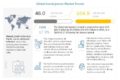
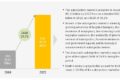
The global autoinjectors market, valued at US$1.08 billion in 2023, reached US$1.40 billion in 2024 and is forecasted to surge to US$3.02 billion by 2030, growing at a CAGR of 13.6%. The growth trajectory reflects increasing technology adoption, rising biologics penetration, and strong regulatory momentum across North America and Europe.
Parallelly, the autoinjector finished formulations market is projected to reach US$134.27 billion by 2030 at a CAGR of 12.2%, underscoring significant commercialization opportunities.
Download an Illustrative overview:
Key Factors Driving Market
- Advancements in connected technology (Bluetooth connectivity, data tracking, dosage reminders)
- Rising prevalence of chronic illnesses (rheumatoid arthritis, diabetes, multiple sclerosis)
- Growing demand for biologics and patient self-administration
- Increasing incidences of emergency allergic reactions, driving EpiPen adoption
- Home-care treatment preference due to convenience and adherence
- Supportive regulatory and reimbursement frameworks in mature markets
- Shift toward digital health ecosystems, enabling data-backed therapy decisions
🌍 Regional Snapshot – Attractive Opportunities in Asia Pacific
The Asia Pacific market is estimated to grow at a compelling CAGR of 15.7% during 2024–2030.
Growth catalysts include:
- Increasing regulatory approvals for autoinjectors
- Expanding presence of small and mid-sized autoinjector innovators
- Rising chronic disease burden and home-care treatment transition
Opportunity Hotspot: The region benefits from patent expiry of biologics and rising demand for self-injectable formulations.
Growth Opportunities
1) Launch of Technologically Advanced Autoinjectors
Advancements are reshaping usability, reliability, and patient compliance.
Example: RebiSmart’s Bluetooth-enabled autoinjector allows patients to track dosage history on mobile apps—enhancing adherence and improving clinical assessment.
Outcome:
- Higher treatment effectiveness
- Improved dosing accuracy
- Better patient–provider communication
2) Biologics Therapy Expansion
Increasing biologics approvals (e.g., Humira, GLP-1 injectables) is generating demand for user-friendly administration solutions.
This trend will continue to drive autoinjector adoption, especially across rheumatology, dermatology, endocrinology, neurology, and oncology.
3) Patent Expiry & Home-Setting Shift
As key biologics approach expiration, pharma players are repurposing formulations and investing in combination product commercialization, enabling massive revenue potential.
Market Dynamics
✔️ Driver – Rising Regulatory Approvals
Approvals of new biologics and autoinjector-device combinations (e.g., Adbry for atopic dermatitis) support uptake.
Improved features such as dose tracking and smart connectivity enhance patient adherence.
❌ Restraint – Shift Toward Needle-Free Systems
Needle-free devices such as ZENEO (Crossject) and PharmaJet Stratis are gaining traction.
Patients with needle anxiety remain hesitant toward traditional injectables, impacting long-term adoption.
💡 Opportunity – Smart, Connected Injection Ecosystems
Next-gen designs integrating:
- Bluetooth tracking
- Electronic dose reminders
- Safety mechanisms and digital interfaces
will redefine chronic care workflows.
⚠️ Challenge – Viscosity Handling
Autoinjector reliability varies with drug viscosity, necessitating engineered spring and polymer mechanisms.
Developing a single device operable across multiple viscosities remains a design challenge.
Strategic Takeaways for Industry Stakeholders
- Biopharma companies should accelerate combination product platforms and lifecycle extension strategies post-patent expiry.
- OEMs and device manufacturers must invest in material science innovation and digital monitoring ecosystems.
- Healthcare providers stand to benefit from improved adherence insights and reduced therapy burden.
- Regulatory and reimbursement bodies will continue to catalyze adoption through supportive policy frameworks.
Conclusion
The autoinjectors market is at an inflection point, driven by:
- Digital integration,
- Rising biologics penetration,
- Home-care and remote monitoring adoption, and
- Favorable regulatory scenarios.
Companies that invest early in connected-care models, device reliability, and patient usability will gain decisive competitive advantage through 2030 and beyond.