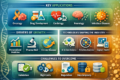
The biomarker industry has emerged as one of the most transformative segments within modern healthcare. As precision medicine gains global momentum, biomarkers are playing a critical role in improving diagnosis, accelerating drug development, enabling targeted therapies, and optimizing patient outcomes. From oncology and cardiology to neurology and infectious diseases, biomarkers are reshaping how diseases are detected, monitored, and treated.
Understanding Biomarkers
A biomarker is a measurable biological indicator that reflects a normal biological process, pathogenic process, or response to therapeutic intervention. Biomarkers can be detected in blood, urine, tissues, or other body fluids and may include proteins, genes, metabolites, imaging signals, or physiological measurements.
Common types of biomarkers include:
- Diagnostic Biomarkers – Identify the presence of a disease (e.g., PSA for prostate cancer).
- Prognostic Biomarkers – Predict disease progression or outcome.
- Predictive Biomarkers – Determine likely response to a specific treatment.
- Pharmacodynamic Biomarkers – Indicate drug activity within the body.
- Safety Biomarkers – Monitor potential toxicity or adverse effects.
The increasing adoption of biomarker-driven approaches is accelerating the transition from generalized treatment strategies to personalized and precision medicine.
Key Applications of Biomarkers
1. Oncology
Cancer remains the largest application segment within the biomarker industry. Biomarkers enable early detection, tumor classification, therapy selection, and monitoring of recurrence.
Examples include:
- HER2 for breast cancer
- EGFR mutations in lung cancer
- PD-L1 expression for immunotherapy eligibility
Companion diagnostics linked with targeted therapies have significantly increased treatment success rates while reducing unnecessary exposure to ineffective drugs.
2. Drug Discovery & Development
Biomarkers have revolutionized pharmaceutical R&D by improving clinical trial efficiency. They help:
- Identify suitable patient populations
- Reduce trial size and duration
- Improve success rates
- Monitor therapeutic response in real time
Regulatory agencies such as the U.S. Food and Drug Administration increasingly support biomarker-driven drug approvals, particularly for targeted oncology treatments.
3. Cardiovascular Diseases
Cardiac biomarkers such as troponins and BNP (B-type natriuretic peptide) assist in early detection of heart attacks and heart failure. Rapid diagnostic testing has significantly reduced mortality rates in acute cardiac events.
4. Neurological Disorders
Biomarkers are becoming crucial in the early detection of neurodegenerative diseases such as Alzheimer’s and Parkinson’s. Blood-based and cerebrospinal fluid biomarkers are enabling earlier intervention, which is vital in slowing disease progression.
5. Infectious Diseases
The COVID-19 pandemic highlighted the importance of molecular biomarkers in infectious disease management. Techniques such as RT-PCR and antigen-based diagnostics became global standards for viral detection.
Technological Advancements Driving Growth
The biomarker industry is fueled by rapid advancements in:
- Genomics and next-generation sequencing (NGS)
- Proteomics and metabolomics
- Liquid biopsy technologies
- Artificial intelligence (AI) in biomarker discovery
- High-throughput screening platforms
The integration of AI and machine learning is accelerating biomarker identification from large genomic datasets, enabling more accurate and faster discoveries.
Liquid biopsy, in particular, has gained significant traction. By analyzing circulating tumor DNA (ctDNA) from blood samples, clinicians can detect cancer mutations without invasive tissue biopsies.
Market Growth & Industry Dynamics
The global biomarker market is experiencing strong double-digit growth, driven by:
- Rising prevalence of chronic diseases
- Growing demand for personalized medicine
- Increasing pharmaceutical R&D investments
- Expansion of companion diagnostics
- Regulatory support for biomarker-guided therapies
North America dominates the market due to strong research infrastructure, regulatory frameworks, and presence of key biotechnology companies. Europe follows closely, while Asia-Pacific is emerging rapidly due to expanding healthcare infrastructure and government funding initiatives.
Major industry players include:
- F. Hoffmann-La Roche Ltd.
- Thermo Fisher Scientific Inc.
- Abbott Laboratories
- Bio-Rad Laboratories, Inc.
- Qiagen N.V.
These companies invest heavily in molecular diagnostics, sequencing platforms, and companion diagnostic partnerships.
Challenges Facing the Biomarker Industry
Despite strong growth, several challenges remain:
1. Validation & Standardization
Biomarkers require extensive clinical validation to ensure accuracy, reproducibility, and regulatory approval.
2. Regulatory Complexity
Approval pathways can be lengthy, especially when biomarkers are linked to drug approvals.
3. High Development Costs
Advanced omics technologies and large-scale clinical trials require significant capital investment.
4. Data Management Issues
Handling and analyzing vast genomic datasets require sophisticated bioinformatics infrastructure.
Emerging Trends
1. Multi-Omics Integration
Combining genomics, proteomics, and metabolomics data provides a more comprehensive disease profile.
2. Digital Biomarkers
Wearables and mobile health technologies are generating real-time physiological data, creating new categories of digital biomarkers.
3. Companion Diagnostics Expansion
Pharmaceutical companies are increasingly co-developing drugs and diagnostic tests simultaneously.
4. AI-Driven Biomarker Discovery
Artificial intelligence is reducing the time required to identify novel predictive markers.
Future Outlook
The biomarker industry is poised for sustained expansion over the next decade. Precision medicine is shifting healthcare from reactive to proactive care models. Early disease detection, tailored treatment plans, and predictive analytics will become standard clinical practice.
As regulatory frameworks mature and validation technologies improve, biomarker-driven healthcare will likely become embedded in routine diagnostics. The convergence of biotechnology, data science, and digital health is expected to unlock next-generation diagnostic solutions.
Moreover, the rise of personalized oncology, immunotherapy, and gene-based therapies will further strengthen biomarker adoption. Emerging economies are also investing in genomic medicine infrastructure, expanding the industry’s global footprint.
Conclusion
The biomarker industry stands at the forefront of medical innovation. By enabling earlier diagnosis, personalized treatment, and more efficient drug development, biomarkers are transforming healthcare delivery worldwide. While challenges related to validation, cost, and regulation persist, technological advancements and strategic collaborations continue to drive progress.
As healthcare systems increasingly prioritize precision medicine, the biomarker industry will remain a foundational pillar of modern medical science—powering a future where treatment is not just disease-specific, but patient-specific.