As countries worldwide accelerate their transition toward cleaner energy sources, the biomethane industry has emerged as a critical component of the global renewable energy landscape. Produced through the purification of biogas generated from organic waste, biomethane offers a sustainable, low-carbon alternative to conventional natural gas. With increasing government support, advancements in upgrading technologies, and growing demand for renewable fuels, the biomethane market is experiencing remarkable growth.
According to MarketsandMarkets™, the global Biomethane Industry is projected to reach USD 56.64 billion by 2030 from USD 16.50 billion in 2025 at a CAGR of 28.0% during the forecast period.
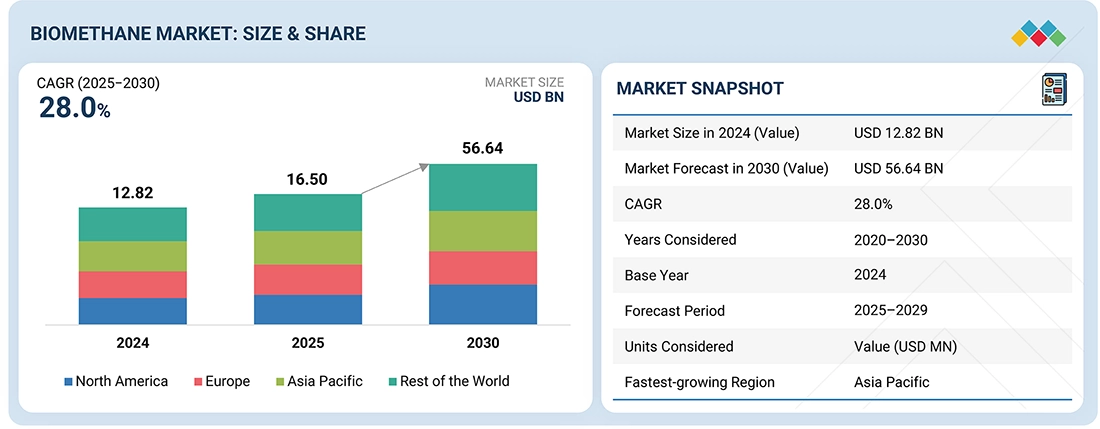
The global biomethane industry is gaining momentum due to increasing investments in renewable energy infrastructure and stringent carbon reduction targets. Governments across Europe, North America, and Asia-Pacific are implementing supportive policies to promote biomethane production and utilization.
Growing concerns regarding energy security, fossil fuel dependency, and greenhouse gas emissions are further driving market expansion. Biomethane provides a unique advantage by simultaneously addressing waste management and clean energy generation challenges.
The biomethane industry is offering significant opportunities with the massive installation of waste-to-gas projects in emerging regions, large-scale introduction of biomethane in natural gas grids, and the slow but steady acceptance of biomethane as a fuel for heavy-duty vehicles. The employment of high-end upgrading technologies, digital plant optimization, and real-time monitoring systems is slowly turning the process into an efficient and reliable one. New techniques, such as biological methanation, co-digestion tactics, and modular production units, are not only augmenting capacity but also making the feedstock more versatile. On the other hand, the emphasis on the circular economy approach, the necessity of energy security, and the demand for lower methane emissions are driving the market.
Download PDF Brochure @ https://www.marketsandmarkets.com/pdfdownloadNew.asp?id=190903532
Key Drivers of Biomethane Industry Growth
- Rising Demand for Renewable Energy
The increasing global focus on reducing carbon emissions has boosted the adoption of renewable energy sources. Biomethane serves as a reliable renewable gas that can seamlessly integrate into existing gas infrastructure.
- Government Policies and Incentives
Many countries have introduced favorable regulations, subsidies, renewable energy certificates, and carbon pricing mechanisms that support biomethane production. These policies encourage investments in anaerobic digestion and gas upgrading facilities.
- Waste-to-Energy Initiatives
Municipalities and industries are increasingly adopting waste-to-energy projects to manage organic waste efficiently. Biomethane production transforms waste streams into valuable energy resources, supporting circular economy objectives.
- Decarbonization of Transportation
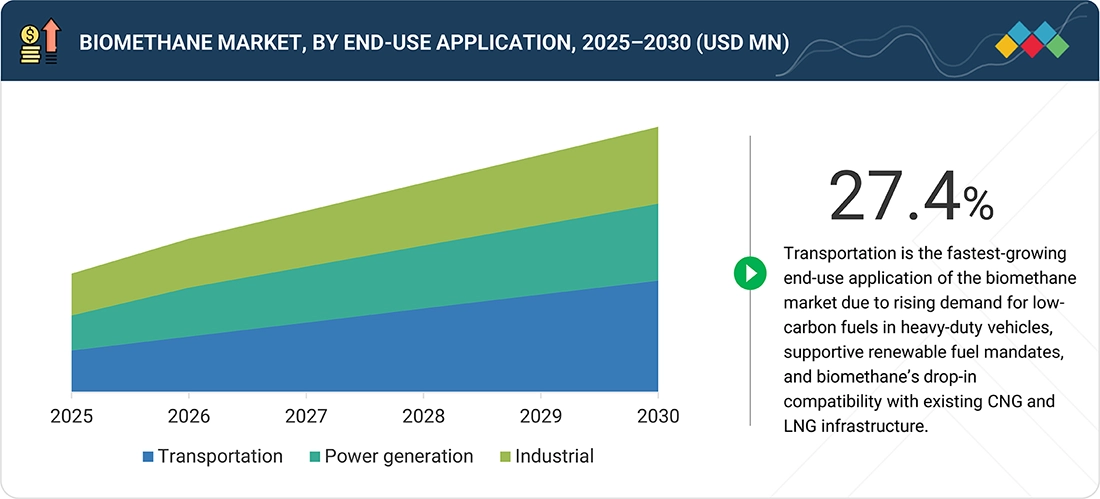
The transportation sector remains one of the largest contributors to greenhouse gas emissions. Biomethane-powered vehicles offer a sustainable alternative to diesel and gasoline, particularly for heavy-duty trucks, buses, and commercial fleets.
- Energy Security and Diversification
The growing need to diversify energy sources and reduce reliance on imported fossil fuels is driving biomethane adoption. Domestic biomethane production enhances national energy resilience and supply stability.
Major Applications of Biomethane
Power Generation
Biomethane can be used in combined heat and power (CHP) systems to generate electricity and thermal energy with high efficiency.
Transportation Fuel
Compressed biomethane (Bio-CNG) and liquefied biomethane (Bio-LNG) are increasingly being used in public transportation, logistics, and freight operations.
Residential and Commercial Heating
Biomethane can be supplied through existing gas distribution networks for residential heating, cooking, and commercial applications.
Industrial Energy Supply
Industries are utilizing biomethane as a low-carbon fuel for manufacturing processes, helping achieve sustainability targets.
Emerging Trends in the Biomethane Industry
Expansion of Renewable Natural Gas Projects
The number of renewable natural gas facilities is increasing globally, driven by favorable economics and regulatory support.
Integration with Hydrogen Production
Biomethane is increasingly being used as a feedstock for renewable hydrogen production, creating new opportunities in the clean hydrogen economy.
Advanced Biogas Upgrading Technologies
Innovations such as membrane separation, pressure swing adsorption (PSA), water scrubbing, and cryogenic upgrading are improving biomethane production efficiency.
Corporate Sustainability Commitments
Many corporations are investing in biomethane procurement agreements to reduce their carbon footprint and achieve net-zero objectives.
Agricultural Sector Participation
Farm-based anaerobic digestion systems are gaining popularity as farmers seek additional revenue streams while improving waste management practices.
Benefits of Biomethane
Significant Carbon Emission Reduction
Biomethane can substantially reduce greenhouse gas emissions compared to fossil natural gas, making it a valuable tool in climate change mitigation.
Circular Economy Support
The industry promotes resource recovery by converting organic waste into renewable energy and nutrient-rich digestate for agricultural use.
Existing Infrastructure Compatibility
Unlike many alternative fuels, biomethane can be transported, stored, and distributed using existing natural gas infrastructure.
Enhanced Waste Management
Biomethane production helps divert organic waste from landfills, reducing methane emissions and environmental pollution.
Economic Development
The sector creates jobs in waste collection, plant construction, operations, maintenance, and technology development.
Request Sample Pages @ https://www.marketsandmarkets.com/requestsampleNew.asp?id=190903532
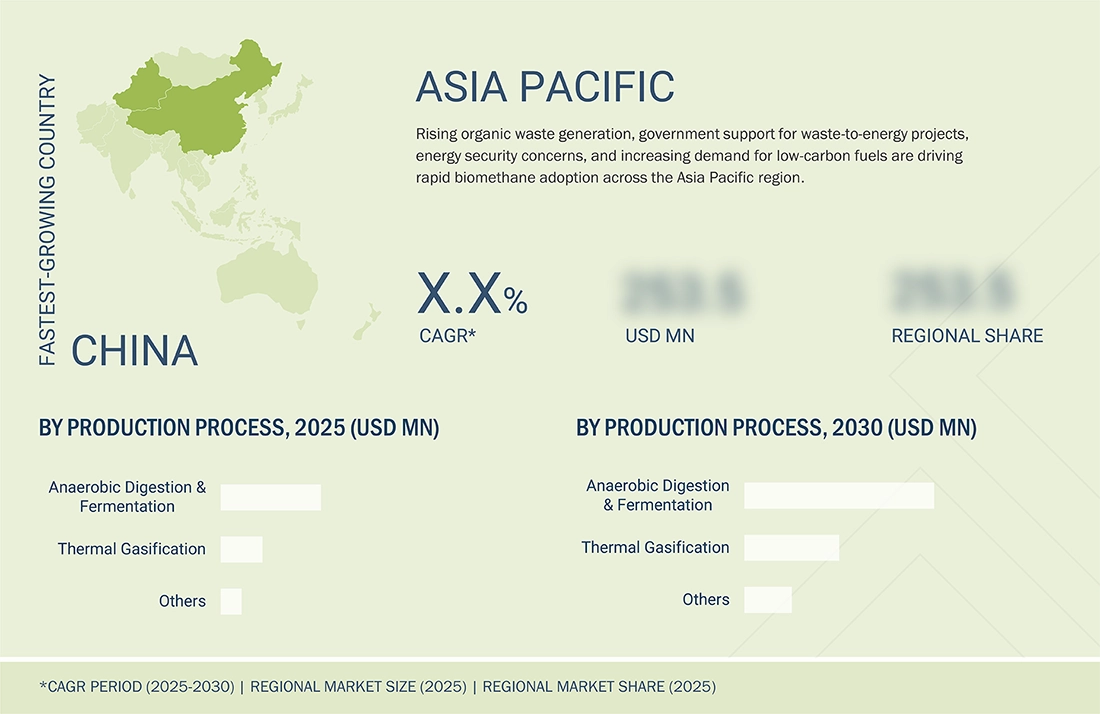
Asia Pacific is projected to be the fastest-growing region in the biomethane industry. This is due to its rapid urbanization, rising energy demand, and pressure to manage organic waste sustainably. There is a strong feedstock base for biomethane production due to the increasing agricultural activity and the rising quantity of municipal and industrial waste. In order to mitigate reliance on fossil fuels and enhance energy security, governments in the region are enacting policies that are conducive to development, setting targets for renewable gas, and promoting waste-to-energy initiatives. Furthermore, advancements in biogas upgrading technologies and growing interest in low-carbon fuels for transportation and industrial applications are among the factors driving the adoption of biomethane in Asia Pacific.
Some of the major players in the Biomethane Industry are Shell Biogas (UK), Gasum Ltd. (Finland), Air Liquide (France), BP p.l.c. (UK), OPAL Fuels (US), TotalEnergies (France), Chevron Corporation (US), ENGIE (France), and Veolia (France), among others.