The Hydrogen Bus & Truck Market is gaining momentum as governments, public transport operators, logistics companies, and vehicle manufacturers explore cleaner alternatives to conventional diesel-powered transportation. Hydrogen fuel cell vehicles are attracting attention because they can support long operating hours, relatively fast refueling, and demanding commercial applications where vehicle uptime and driving range are essential.
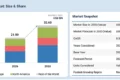
According to MarketsandMarkets, the global hydrogen bus and truck market is projected to grow from USD 3.83 billion in 2026 to USD 8.95 billion by 2035, registering a CAGR of 9.9% during the forecast period. The market includes hydrogen-powered buses and trucks, with opportunities shaped by fuel-cell advancements, hydrogen availability, vehicle performance, and the expansion of refueling infrastructure.
Why Hydrogen Buses and Trucks Are Gaining Attention
Public transportation and heavy-duty freight are important areas for reducing transportation-related emissions. However, transitioning these vehicles to alternative powertrains requires careful consideration of range, payload, operating schedules, refueling time, and infrastructure availability.
Hydrogen fuel cell vehicles generate electricity onboard through a chemical reaction between hydrogen and oxygen. The electricity powers an electric motor, producing no tailpipe carbon dioxide emissions during operation. Their practical benefits depend on vehicle design, hydrogen supply, and operating conditions.
Hydrogen buses may be suitable for intensive public transport routes, intercity services, and fleet-based passenger transportation. Hydrogen trucks are being explored for freight, long-distance transportation, and other commercial applications where driving range and minimizing downtime are important.
Fuel Cell Technology Is Advancing Commercial Vehicles
Fuel cell technology is central to the development of hydrogen buses and trucks. Proton exchange membrane fuel cells (PEMFCs) are particularly relevant to automotive applications because of their power density, relatively low operating temperature, and ability to start quickly.
Manufacturers and technology suppliers are working to improve fuel-cell durability, efficiency, thermal management, and system integration. These developments can help vehicles perform reliably under demanding operating conditions.
Hydrogen internal combustion engines are another technology being explored for selected commercial applications. Their adoption will depend on engine efficiency, emissions performance, fuel availability, and overall operating economics.
The long-term opportunity will depend not only on improvements in vehicle technology but also on whether manufacturers can deliver dependable vehicles at competitive ownership and operating costs.
Long-Range Operations Create Opportunities for Hydrogen Trucks
Range requirements are an important consideration in the hydrogen truck market. Long-haul freight operators need vehicles capable of covering substantial distances while carrying commercial loads and maintaining predictable delivery schedules.
Hydrogen fuel cell trucks may offer advantages in applications where rapid refueling and high vehicle utilization are priorities. However, their suitability depends on hydrogen storage capacity, fuel-cell output, vehicle weight, route conditions, and access to refueling stations.
The 300–500-mile range category is an important segment highlighted in market analysis, while demand for vehicles capable of travelling more than 500 miles could create opportunities in long-distance transportation.
For fleet operators, comparing hydrogen trucks with battery-electric alternatives requires evaluating total cost of ownership, payload, energy costs, charging or refueling time, maintenance, and route requirements rather than range alone.
Hydrogen Buses Can Support Cleaner Public Transportation
Public transport fleets offer a potential pathway for hydrogen adoption because buses often operate on established routes and return to depots for scheduled refueling. This can make it easier to plan infrastructure and manage vehicle operations.
Hydrogen buses may be considered for high-utilization routes, intercity travel, and applications where operating schedules create challenges for battery charging. Fleet operators must still assess the availability and cost of hydrogen, vehicle purchase prices, maintenance needs, and the reliability of refueling systems.
Cities and transport authorities will also need to consider whether hydrogen or battery-electric buses offer the better solution for specific routes. Route length, passenger capacity, depot infrastructure, daily mileage, and local energy costs all influence the decision.
Download PDF Brochure @ https://www.marketsandmarkets.com/pdfdownloadNew.asp?id=228367585
Hydrogen Refueling Infrastructure Will Shape Market Adoption
The expansion of hydrogen refueling infrastructure remains one of the most important factors influencing market growth. Hydrogen buses and trucks require reliable access to suitable stations, storage systems, and fuel distribution networks.
For commercial fleets, infrastructure planning must match vehicle deployment. A depot serving a bus fleet may require different refueling capacity from a station supporting heavy-duty trucks on a major freight corridor.
Hydrogen hubs and freight corridors could help concentrate early demand, improve station utilization, and support coordinated investments by vehicle manufacturers, energy companies, and fleet operators.
However, building this infrastructure requires substantial investment. The pace of adoption will depend on station availability, hydrogen supply costs, regulatory frameworks, and collaboration across the commercial transportation ecosystem.
Green Hydrogen Could Improve Environmental Benefits
The environmental performance of hydrogen-powered transportation depends significantly on how hydrogen is produced. Hydrogen made using renewable electricity through electrolysis can reduce lifecycle emissions compared with hydrogen produced through more carbon-intensive pathways.
Expanding green hydrogen production could strengthen the sustainability case for fuel cell buses and trucks. Yet renewable electricity availability, electrolyzer costs, transportation, storage, and refueling expenses remain important economic considerations.
For fleet owners, the cost and carbon intensity of hydrogen will influence purchasing decisions. Reliable access to competitively priced, lower-emission hydrogen could support broader adoption, particularly in commercial fleets operating on predictable routes.
Asia Pacific and India Present Emerging Opportunities
Asia Pacific is an important region for hydrogen vehicle development, supported by vehicle manufacturing capabilities, technology investment, government initiatives, and infrastructure development.
China, Japan, and South Korea are among the markets involved in advancing hydrogen technologies and commercial vehicle deployment. Their progress in fuel-cell manufacturing, hydrogen supply, and vehicle production could influence wider industry development.
India also presents an emerging opportunity as the country explores hydrogen for heavy-duty transportation. MarketsandMarkets’ updated market insights highlight a target of deploying more than 1,000 hydrogen trucks and buses in commercial use by 2030.
Progress will depend on the development of domestic hydrogen production, refueling infrastructure, vehicle availability, financing, and commercially viable fleet applications.
Companies Shaping the Hydrogen Bus & Truck Market
The market brings together commercial vehicle manufacturers, fuel-cell developers, hydrogen producers, storage technology suppliers, and infrastructure providers. Collaboration between these participants is essential to developing a complete hydrogen transportation ecosystem.
Companies identified in MarketsandMarkets’ market coverage include King Long, Yutong, and FOTON Motor. Vehicle manufacturers are working within a broader industry environment in which vehicle performance, fuel-cell integration, hydrogen storage, and refueling access all influence commercial deployment.
As the market develops, competitive differentiation is likely to depend on vehicle reliability, operating range, powertrain performance, lifecycle costs, and the ability to support fleet customers with dependable service and fueling solutions.
What Lies Ahead for the Hydrogen Bus & Truck Market?
The hydrogen bus and truck market is moving toward broader commercial evaluation, but adoption will depend on practical economics as much as technological progress. Improvements in fuel cells, hydrogen storage, and vehicle integration can strengthen the case for hydrogen in selected heavy-duty applications.
At the same time, infrastructure investment, access to lower-emission hydrogen, and fleet operating costs will determine how quickly deployments expand. Battery-electric vehicles will remain an important alternative, particularly where charging infrastructure and operating patterns make them competitive.
For manufacturers, fleet operators, infrastructure developers, and investors, the key opportunity is to identify applications where hydrogen can deliver a meaningful operational advantage. Understanding vehicle segments, range requirements, powertrain technology, regional investment, and fuel availability will be essential to evaluating the market’s long-term potential.
Frequently Asked Questions
What is the projected size of the Hydrogen Bus & Truck Market?
MarketsandMarkets projects the market to grow from USD 3.83 billion in 2026 to USD 8.95 billion by 2035, at a CAGR of 9.9%.
What is driving growth in the Hydrogen Bus & Truck Market?
Key drivers include fuel-cell technology improvements, demand for lower-emission commercial transportation, government initiatives, and investment in hydrogen refueling infrastructure.
How do hydrogen fuel cell buses and trucks work?
They use a fuel cell to generate electricity from hydrogen and oxygen, powering an electric motor. The vehicles produce no tailpipe carbon dioxide emissions during operation.
Why are hydrogen trucks being considered for long-haul freight?
Hydrogen trucks may offer relatively fast refueling and long-range capability, making them worth evaluating for high-utilization freight routes where payload and downtime are important.
What challenges could limit hydrogen bus and truck adoption?
Major challenges include hydrogen costs, limited refueling infrastructure, vehicle purchase prices, fuel-cell durability, and the availability of low-emission hydrogen.
Request Sample Report @ https://www.marketsandmarkets.com/requestsampleNew.asp?id=228367585