The DC Torque Tool Industry is expected to reach USD 4.4 billion by 2029 from USD 3.6 billion in 2024, at a CAGR of 3.7% during 2024–2029. The significant growth factor associated with the DC torque tool market is growing demand in the automotive industry, and a heavy emphasis on quality control in a variety of sectors. Technological developments in DC torque tool features, regulatory compliance, and the growth of manufacturing in emerging economies like China and India. Moreover, the demand for precision in consumer electronics, manufacturing, and maintenance operations, as well as the tools’ customization, all help to drive market growth.
Download PDF Brochure @ https://www.marketsandmarkets.com/pdfdownloadNew.asp?id=25084634
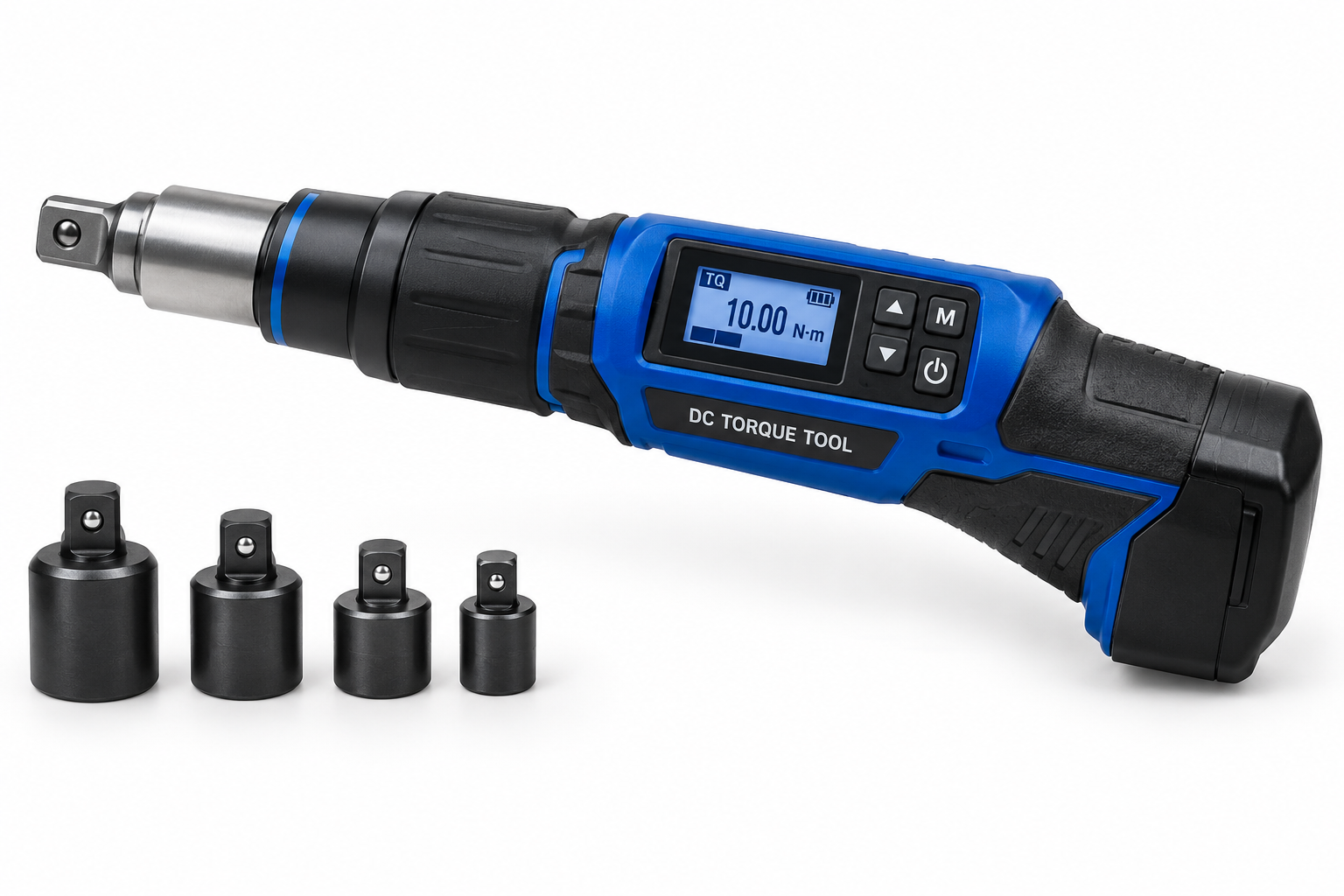
The handheld tools segment is to grow with a higher CAGR during the forecast period.
The DC torque tool have been segmented into two tool types, handheld tools and fixtured tools. Handheld tools are preferred over fixtured tools due to portability, handheld tools can be moved freely, where as fixtures tools are stationary, mounted on a workstation only. Their portability enables easy maneuverability within a workspace and versatility in addressing various fasteners. These tools provide superior accessibility and can reach fasteners in confined spaces where fixtured tools cannot. Furthermore, these tools are often less expensive since they eliminate the need for fixtures.
Handheld tools are widely used in a variety of industries, including automotive, aerospace, consumer electronics, and appliances. Technological developments such as longer battery life and smart features boost their efficiency and usage. The demand for precision and quality in assembly processes, particularly with the shift to electric vehicles, is driving growth in this market.
Cordless power source segment is to grow at the highest growth rate during the forecast period.
Cordless DC torque tools are precision tools that employ rechargeable batteries to deliver exact torque levels to bolts. Advancements in battery technology, notably the development of sophisticated lithium-ion batteries, have substantially increased cordless tools’ power, capacity, and recharge cycles, making them more adaptable to demanding jobs. Cordless tools are more powerful and flexible, allowing operators to work in remote or cramped regions without the limits of a power connection. They improve safety by eliminating trip risks and entanglements, while their ergonomic characteristics reduce operator fatigue and increase productivity. Furthermore, sophisticated technologies like wireless networking, data logging, and torque tracking provide real-time monitoring and exact management. These features are consistent with Industry 4.0 aims, which fuel demand for cordless DC torque tools.
The Automotive industry holds the largest market share during the forecast period.
The market is segmented into various industries including automotive, aerospace, consumer electronics and appliances, energy, shipbuilding and other industries. Automotive is a major market for DC torque tools. The automotive industry dominates the DC torque tool market because to the need for high precision and quality in vehicle assembly, complex manufacturing processes, and the transition to electric vehicles. The industry’s use of automation and strict safety regulations drives demand for these tools. According to the International Organisation of Motor Vehicle Manufacturers (OICA), motor vehicle manufacturing is increasing internationally, which is fueling market development.
Asia Pacific holds the largest market share of the DC torque tool industry throughout the forecast period.
Asia Pacific consists of – China, Japan, India, and and Rest of Asia Pacific. The China is serving as the major contributor to the DC torque tool industry in this area. Asia Pacific holds the largest market share due to rapid automotive industry expansion, significant investments in manufacturing facilities, and rising adoption of automated technologies. Firstly, Asian economies are becoming markets in their own right as their incomes rise. Secondly, is that the ability to deliver products digitally has shifted the principal driver of regional growth from manufacturing to services. Moreover, Government initiatives promoting automotive growth, particularly in electric vehicle production, combined with increasing middle-class populations and urbanization, drive demand for precise assembly tools. The increasing investments in infrastructure projects and manufacturing facilities in the Asia Pacific region boost the demand for advanced tools and technologies.
The report profiles key players such Atlas Copco AB (Sweden), Apex Tool Group, LLC (US), Ingersoll Rand (US), Stanley Black & Decker, Inc. (US), Robert Bosch GmbH (Germany), and others.
For more info: https://www.marketsandmarkets.com/Market-Reports/dc-torque-tool-market-25084634.html

