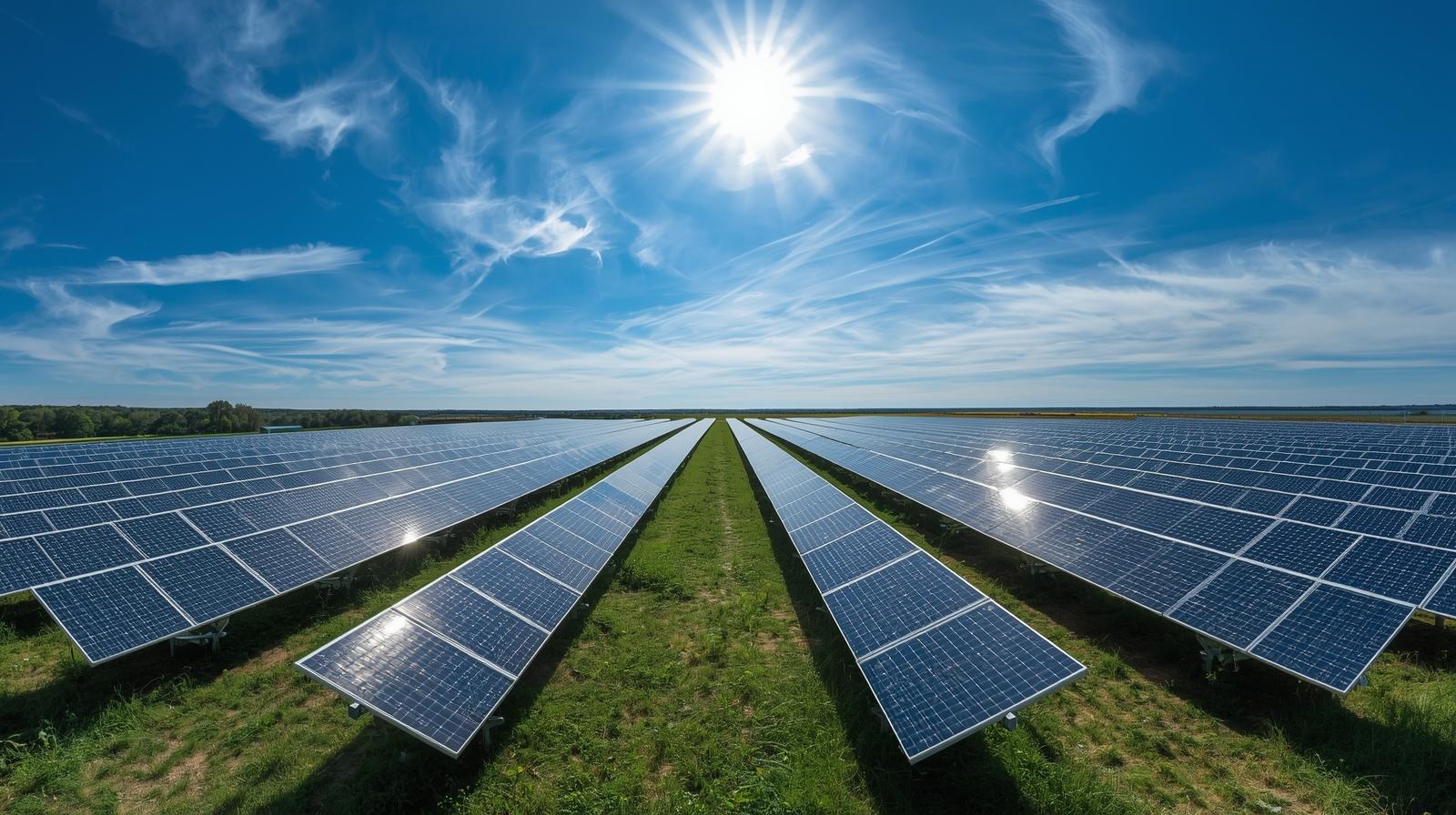
The global photovoltaics (PV) market is poised for remarkable growth as the demand for clean, renewable, and cost-effective energy solutions accelerates worldwide. Photovoltaic technology, which converts sunlight directly into electricity using semiconductor materials, has become a cornerstone of global energy transition strategies. With governments, corporations, and consumers embracing sustainability and reducing dependence on fossil fuels, the photovoltaics industry is set to play a critical role in meeting future energy needs while addressing climate change challenges.
Download PDF Brochure @ https://www.marketsandmarkets.com/pdfdownloadNew.asp?id=428
Market Overview
The global photovoltaics market has evolved from a niche segment into one of the fastest-growing sectors within the renewable energy landscape. The increasing affordability of solar panels, coupled with supportive government policies and technological innovations, has driven widespread adoption across residential, commercial, and industrial sectors. As nations pursue ambitious renewable energy targets and net-zero emission goals, solar photovoltaics have emerged as a key enabler of sustainable energy transformation. The versatility of PV systems — ranging from rooftop installations to large-scale solar farms — continues to expand their application potential across various industries and regions.
Technological Advancements Driving Growth
The growth of the photovoltaics market is strongly supported by continuous technological advancements aimed at improving efficiency and reducing costs. Traditional crystalline silicon (c-Si) solar cells are being enhanced through the development of new cell architectures such as passivated emitter and rear contact (PERC), heterojunction (HJT), and tunnel oxide passivated contact (TOPCon) technologies. These innovations have significantly increased power conversion efficiency while reducing the cost per watt of electricity generated.
Furthermore, the emergence of perovskite solar cells represents a major breakthrough in the PV industry. Perovskites offer high efficiency, lightweight properties, and potential for flexible applications, making them a promising alternative to conventional silicon cells. The rise of bifacial modules, which capture sunlight on both sides, and the integration of solar panels with energy storage systems are further optimizing performance and energy reliability. These technological advancements are not only improving system economics but also enhancing the feasibility of solar power in off-grid and hybrid energy systems.
Government Support and Policy Frameworks
Strong governmental initiatives and regulatory frameworks are crucial in driving the growth of the global photovoltaics market. Many countries have introduced incentives such as feed-in tariffs, tax credits, renewable portfolio standards, and net metering policies to encourage the adoption of solar energy. For instance, the European Union’s Green Deal, the United States’ Inflation Reduction Act, and China’s renewable energy expansion plans have created favorable environments for solar investments.
These initiatives are complemented by large-scale funding for research and development aimed at improving solar technologies and grid integration capabilities. Developing nations are also recognizing the potential of photovoltaics in bridging energy access gaps, reducing dependency on imported fuels, and fostering local economic development. This global policy momentum is expected to sustain long-term growth and attract significant investments across the solar value chain.
Regional Insights
The Asia-Pacific region currently dominates the global photovoltaics market, led by China, Japan, and India. China remains the world leader in solar panel production and deployment, supported by strong manufacturing infrastructure and favorable policy support. India’s ambitious National Solar Mission continues to drive capacity expansion through large-scale solar parks and rooftop installations. Meanwhile, Japan and South Korea are focusing on enhancing energy security through renewable diversification.
In North America, the United States is witnessing substantial growth in solar capacity additions, driven by both federal incentives and state-level renewable mandates. Europe also remains a key market, with Germany, Spain, and the Netherlands leading solar adoption efforts under the EU’s decarbonization strategy. Emerging markets in the Middle East, Africa, and Latin America are gaining traction as declining costs make solar energy increasingly attractive for regions with abundant sunlight and growing electricity demand.
Economic and Environmental Benefits
The expansion of the photovoltaics market presents significant economic and environmental advantages. Solar power reduces greenhouse gas emissions, lowers electricity costs, and enhances energy security by diversifying energy sources. Moreover, the solar industry is a major job creator, generating employment across manufacturing, installation, maintenance, and research sectors. For developing economies, photovoltaics offer a sustainable path to electrification, supporting rural development and improving quality of life.
In addition, the combination of photovoltaics with smart grids and energy storage systems is enabling more resilient and decentralized power networks. These systems allow for efficient energy distribution and backup during grid failures, contributing to long-term sustainability and stability.
Future Outlook
The future of the global photovoltaics market appears highly promising, characterized by continuous innovation, declining costs, and growing global adoption. As energy systems evolve toward decarbonization, photovoltaics will remain a central component of the renewable energy mix. The integration of artificial intelligence (AI), Internet of Things (IoT), and digital monitoring tools will further enhance the efficiency and intelligence of solar systems.
With ongoing advancements in materials science, energy storage, and manufacturing automation, solar energy is expected to become even more affordable and accessible. Emerging concepts such as building-integrated photovoltaics (BIPV), floating solar farms, and solar-powered transportation will further diversify the applications of PV technology. As nations, businesses, and consumers align toward a sustainable future, the global photovoltaics market stands at the forefront of the clean energy revolution, offering immense potential to reshape the world’s energy landscape.
Related Reports:
Microgrid Market by Power Generator, Energy Storage System, Controller, Grid-connected, Off-grid, Solar PV, Fuel Cell, Combined Heat and Power (CHP), Natural Gas, Remote Area, Utility and Military Facility – Global Forecast to 2030
Microgrid Controller Market by Connectivity (Grid-connected, Off-grid), Offering (Hardware, Software & Services), End User (Commercial & Industrial, Military, Government, Institutes & Campuses, Healthcare) and Region – Global Forecast to 2029
