The FPGA Chip Market has emerged as a cornerstone of modern technological advancements, driven by the increasing demand for customizable, high-performance computing solutions across various industries. Field Programmable Gate Arrays (FPGAs) are integrated circuits designed to be configured by the end-user after manufacturing, offering unparalleled flexibility compared to traditional Application-Specific Integrated Circuits (ASICs). This adaptability has positioned the FPGA Chip Market as a critical component in sectors like telecommunications, automotive, aerospace, and artificial intelligence (AI). As industries strive for innovation, the FPGA Chip Market is poised for substantial growth, fueled by advancements in 5G, AI, and the Internet of Things (IoT). This article delves into the dynamics of the FPGA Chip Market, exploring its size, trends, key players, applications, and future projections.
Understanding FPGA Technology and Its Importance in the FPGA Chip Market
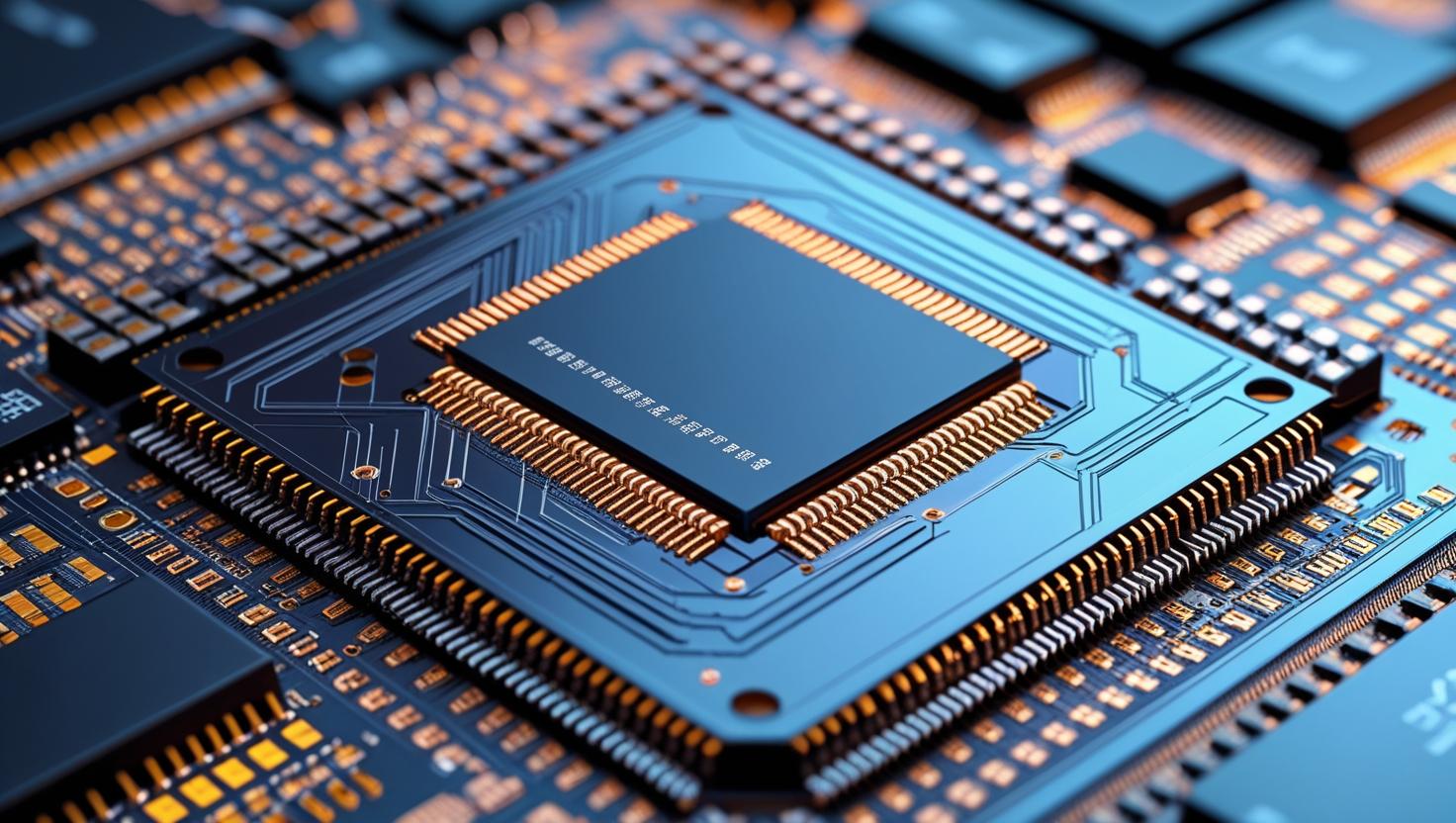
Field Programmable Gate Arrays (FPGAs) are semiconductor devices built around a matrix of configurable logic blocks (CLBs) connected via programmable interconnects. Unlike fixed-function chips, FPGAs can be reprogrammed to perform specific tasks, making them ideal for prototyping, testing, and deploying specialized applications. The FPGA Chip Market thrives on this versatility, as it allows industries to adapt quickly to evolving technological needs without the high costs associated with developing custom chips.
The significance of the FPGA Chip Market lies in its ability to bridge the gap between hardware and software. FPGAs offer low-latency processing, high throughput, and energy efficiency, making them indispensable in applications requiring real-time data processing, such as autonomous vehicles and high-frequency trading systems. As the demand for tailored computing solutions grows, the FPGA Chip Market continues to expand, driven by its role in enabling rapid innovation and reducing time-to-market for new technologies.
Market Size and Growth Projections for the FPGA Chip Market
The FPGA Chip Market was valued at USD 12.1 billion in 2024 and is estimated to reach USD 25.8 billion by 2029, registering a CAGR of 16.4% during the forecast period. This growth is attributed to the increasing adoption of FPGAs in data centers, telecommunications infrastructure, and emerging technologies like AI and machine learning.
Key factors driving the FPGA Chip Market include:
- Rising Demand for AI and Machine Learning: FPGAs are increasingly used in AI accelerators due to their ability to handle parallel processing tasks efficiently.
- Expansion of 5G Networks: The rollout of 5G technology relies heavily on FPGAs for base station processing and network optimization.
- Automotive Advancements: The integration of FPGAs in advanced driver-assistance systems (ADAS) and autonomous vehicles is boosting market demand.
The Asia-Pacific region dominates the FPGA Chip Market, accounting for over 40% of the global share, driven by the presence of major semiconductor manufacturers and increasing investments in technology infrastructure.
Key Drivers Shaping the FPGA Chip Market
Several factors are propelling the FPGA Chip Market forward, making it a dynamic and rapidly evolving sector. The primary drivers include the growing need for high-performance computing, the proliferation of IoT devices, and the global push for digital transformation. FPGAs are uniquely suited to handle the computational demands of these technologies, offering scalability and flexibility that traditional processors often lack.
Another critical driver is the increasing complexity of electronic systems. As industries develop more sophisticated products, such as smart cities and connected vehicles, the FPGA Chip Market benefits from the need for customizable hardware solutions. Additionally, the rise of edge computing, where data processing occurs closer to the source, has amplified the demand for FPGAs due to their low power consumption and high-speed processing capabilities. The FPGA Chip Market is also supported by government initiatives promoting semiconductor innovation and the growing adoption of cloud computing services.
Challenges Facing the FPGA Chip Market
Despite its promising growth, the FPGA Chip Market faces several challenges that could impact its trajectory. One significant hurdle is the high cost of FPGA development and deployment compared to ASICs, which can deter small and medium-sized enterprises from adopting FPGA solutions. Additionally, the complexity of programming FPGAs requires specialized expertise, limiting their accessibility to organizations without skilled engineers.
Another challenge is the competition from alternative technologies, such as Graphics Processing Units (GPUs) and Tensor Processing Units (TPUs), which are gaining traction in AI and machine learning applications. While FPGAs offer unique advantages, their market share could be affected by these competing solutions. Supply chain disruptions, particularly in the semiconductor industry, also pose a risk to the FPGA Chip Market, as shortages of raw materials and manufacturing delays can hinder production.
Key Applications Driving the FPGA Chip Market
The versatility of FPGAs has led to their adoption across a wide range of industries, each contributing to the growth of the FPGA Chip Market. Some of the most prominent applications include:
- Telecommunications: FPGAs are critical in 5G infrastructure, enabling high-speed data processing and network optimization. They are used in base stations, signal processing, and network security.
- Automotive: The automotive sector relies on FPGAs for ADAS, infotainment systems, and autonomous driving technologies, where real-time processing is essential.
- Data Centers: FPGAs are increasingly deployed in data centers for tasks like data encryption, compression, and AI workload acceleration.
- Aerospace and Defense: FPGAs are used in radar systems, satellite communications, and secure data processing due to their reliability and flexibility.
- Consumer Electronics: From gaming consoles to smart home devices, FPGAs enable customized hardware solutions for enhanced user experiences.
These applications highlight the broad appeal of FPGAs, positioning the FPGA Chip Market as a vital component of modern technology ecosystems.
Regional Insights into the FPGA Chip Market
The FPGA Chip Market exhibits significant regional variations, with each region contributing uniquely to global growth. The Asia-Pacific region leads the market, driven by the presence of major FPGA manufacturers like Xilinx (now part of AMD) and Intel, as well as robust demand from countries like China, Japan, and South Korea. These nations are investing heavily in 5G infrastructure, AI, and smart manufacturing, fueling the FPGA Chip Market.
North America holds a substantial share of the FPGA Chip Market, driven by its advanced technology sector and significant investments in AI, cloud computing, and defense. The United States, in particular, is a hub for FPGA innovation, with companies like AMD and Intel leading the charge. Europe is also a key player, with strong demand from the automotive and industrial automation sectors. Emerging markets in Latin America and the Middle East are expected to contribute to the FPGA Chip Market as they adopt advanced technologies.
Competitive Landscape of the FPGA Chip Market
The FPGA Chip Market is highly competitive, with several key players dominating the industry. Leading companies include:
- AMD (Xilinx): A market leader known for its versatile FPGA solutions, particularly in AI and data center applications.
- Intel: Offers a broad portfolio of FPGAs, focusing on telecommunications and cloud computing.
- Lattice Semiconductor: Specializes in low-power FPGAs for IoT and consumer electronics.
- Microchip Technology: Provides cost-effective FPGA solutions for industrial and automotive applications.
- Achronix Semiconductor: Known for high-performance FPGAs tailored for AI and machine learning.
These companies are investing heavily in research and development to enhance FPGA performance, reduce power consumption, and integrate advanced features like AI accelerators. Strategic partnerships, mergers, and acquisitions are also shaping the FPGA Chip Market, as companies seek to expand their market presence and technological capabilities.
Technological Trends Shaping the FPGA Chip Market
The FPGA Chip Market is evolving rapidly, driven by several technological trends that are reshaping the industry. One prominent trend is the integration of AI and machine learning capabilities into FPGAs. Companies are developing AI-optimized FPGAs that can handle complex neural network computations, making them ideal for edge AI applications.
Another trend is the shift toward low-power FPGAs, particularly for IoT and mobile devices. These energy-efficient chips are designed to meet the demands of battery-powered devices while maintaining high performance. The FPGA Chip Market is also benefiting from advancements in fabrication technologies, such as 7nm and 5nm process nodes, which enable smaller, faster, and more efficient chips.
The rise of open-source FPGA tools is another significant trend, making FPGA programming more accessible to developers and reducing barriers to entry. This democratization of FPGA technology is expected to drive innovation and expand the FPGA Chip Market in the coming years.
Future Outlook for the FPGA Chip Market
The future of the FPGA Chip Market looks promising, with continued growth expected through 2030 and beyond. The increasing adoption of 5G, AI, and IoT technologies will remain key drivers, as industries seek flexible and high-performance computing solutions. The FPGA Chip Market is also likely to benefit from the growing emphasis on edge computing, where FPGAs excel due to their low latency and energy efficiency.
Emerging applications, such as quantum computing and 6G technology, are expected to create new opportunities for the FPGA Chip Market. As these technologies mature, FPGAs will play a critical role in enabling rapid prototyping and deployment. Additionally, government initiatives to bolster semiconductor manufacturing and reduce reliance on foreign supply chains will support the growth of the FPGA Chip Market.
Download PDF Brochure @ https://www.marketsandmarkets.com/pdfdownloadNew.asp?id=194123367
Challenges and Opportunities in the FPGA Chip Market
While the FPGA Chip Market faces challenges like high development costs and competition from alternative technologies, it also presents significant opportunities. The growing demand for customized hardware solutions in AI, automotive, and telecommunications offers a fertile ground for innovation. Companies that can address the skills gap in FPGA programming and develop cost-effective solutions will likely gain a competitive edge.
The FPGA Chip Market is also poised to benefit from the increasing focus on sustainability. Low-power FPGAs can contribute to energy-efficient computing, aligning with global efforts to reduce carbon footprints. By leveraging these opportunities, the FPGA Chip Market can overcome its challenges and maintain its upward trajectory.
The FPGA Chip Market as a Catalyst for Innovation
The FPGA Chip Market is a dynamic and rapidly growing sector, driven by the need for flexible, high-performance computing solutions. With applications spanning telecommunications, automotive, aerospace, and AI, FPGAs are at the forefront of technological innovation. The market’s growth is supported by advancements in 5G, IoT, and edge computing, as well as the efforts of leading companies like AMD, Intel, and Lattice Semiconductor. Despite challenges like high costs and competition, the FPGA Chip Market is well-positioned for sustained growth, offering immense potential for industries and innovators worldwide.
Explore In-Depth Semiconductor & Electronics Market Research –https://www.marketsandmarkets.com/semiconductorand-electonics-market-research-87.html
FAQs
Q1: What is driving the growth of the FPGA Chip Market?
A: The FPGA Chip Market is driven by the increasing demand for AI, 5G networks, IoT devices, and automotive applications like ADAS and autonomous driving.
Q2: Who are the major players in the FPGA Chip Market?
A: Key players include AMD (Xilinx), Intel, Lattice Semiconductor, Microchip Technology, and Achronix Semiconductor.
Q3: What are the main applications of FPGAs in the market?
A: FPGAs are used in telecommunications, automotive, data centers, aerospace, defense, and consumer electronics for tasks like signal processing, AI acceleration, and real-time data handling.
Q4: What challenges does the FPGA Chip Market face?
A: Challenges include high development costs, the complexity of FPGA programming, competition from GPUs and TPUs, and supply chain disruptions.
See The Latest Semiconductor Reports:
Infrared Imaging Market Size, Share & Trends : https://www.marketsandmarkets.com/Market-Reports/infrared-IR-sensing-imaging-market-593.html
Submarine Cable Systems Market Size, Share & Trends : https://www.marketsandmarkets.com/Market-Reports/submarine-cable-system-market-184625.html
SCADA Market Size, Share & Trends : https://www.marketsandmarkets.com/Market-Reports/scada-market-19487518.html
Digital Twin Market Size, Share & Trends : https://www.marketsandmarkets.com/Market-Reports/digital-twin-market-225269522.html
Automotive AI Market Size, Share & Trends: https://www.marketsandmarkets.com/Market-Reports/automotive-artificial-intelligence-market-248804391.html
