Rechargeable Nickel Metal Hydride (NiMH) batteries are gaining strong prominence across various industries as global demand for sustainable and high-performance energy storage solutions continues to rise. Known for their excellent balance of energy density, cost-effectiveness, and environmental safety, NiMH batteries have become a preferred choice in consumer electronics, automotive applications, and industrial equipment. The increasing focus on reducing electronic waste and shifting away from disposable power sources is further accelerating the adoption of rechargeable NiMH battery technologies.
Download PDF Brochure @ https://www.marketsandmarkets.com/pdfdownloadNew.asp?id=128735977
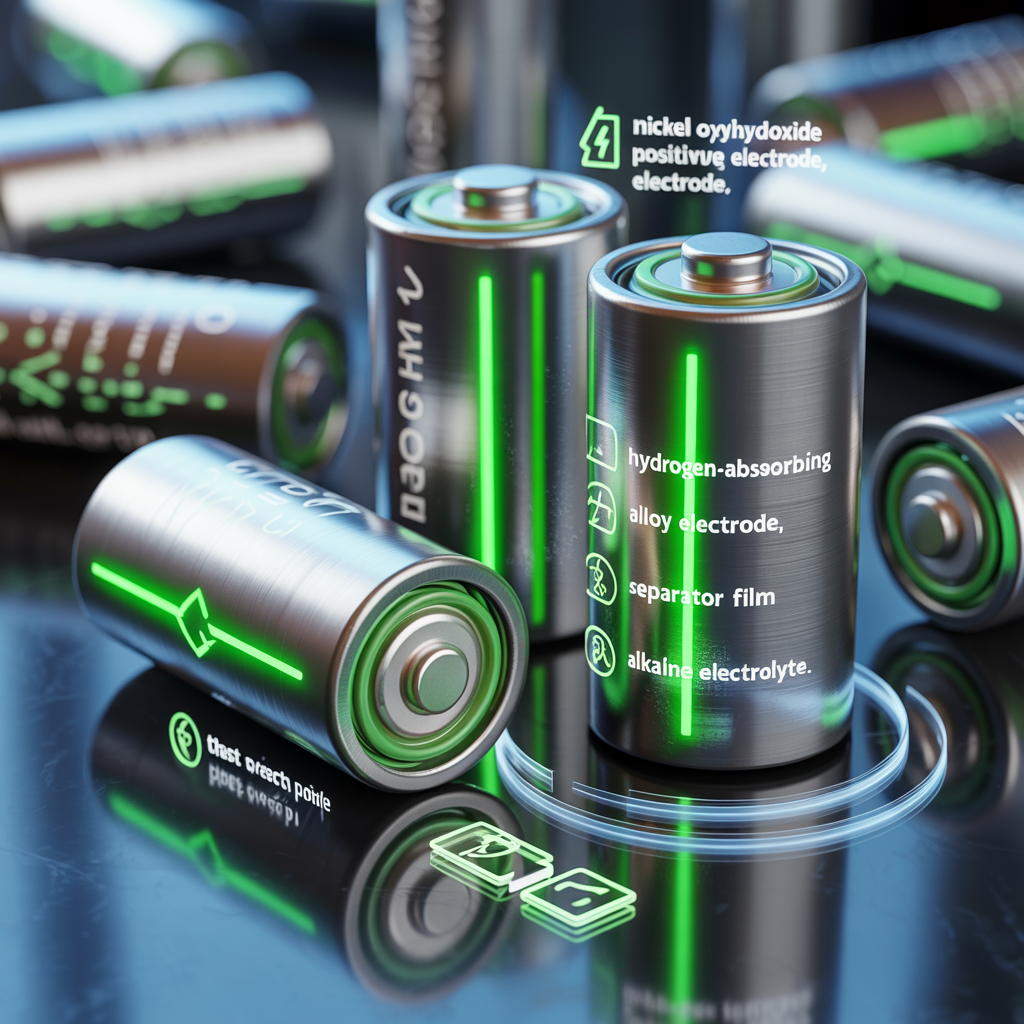
One of the primary drivers for market expansion is the surge in demand for hybrid electric vehicles (HEVs). NiMH batteries have established a trusted role in the hybrid automotive ecosystem due to their long lifespan, robust thermal stability, and ability to withstand high power fluctuations. As governments strengthen environmental regulations and encourage cleaner mobility solutions, automakers are expanding their hybrid vehicle offerings, which directly boosts the usage of NiMH batteries. These batteries remain highly competitive in hybrid applications where safety and durability take precedence over ultra-high energy density.
Consumer electronics continue to be a vital sector supporting the growth of rechargeable NiMH batteries. Devices such as remote controls, game controllers, flashlights, digital cameras, and power tools frequently require rechargeable solutions to support extended and reliable performance. NiMH batteries serve as an affordable alternative to lithium-ion technologies in these product categories, especially where cost sensitivity and moderate performance requirements coexist. Furthermore, the introduction of low self-discharge NiMH variants has significantly enhanced usability, allowing the batteries to retain energy for longer durations when not in use.
Environmental sustainability plays a crucial role in shaping the future trajectory of the NiMH battery market. Unlike nickel-cadmium (NiCd) batteries, NiMH batteries do not contain toxic heavy metals like cadmium, which makes disposal and recycling more environmentally safe. Growing global awareness about hazardous waste management and the increasing implementation of green battery policies are pushing industries to adopt NiMH solutions. These factors align strongly with the global trend toward eco-friendly manufacturing and sustainable energy systems.
Advancements in NiMH battery chemistry and design are also contributing to stronger market adoption. Researchers and manufacturers are continuously working on improving charge cycles, enhancing power delivery, and optimizing material usage to make NiMH more competitive against modern alternatives. The development of enhanced high-capacity and quick-charging NiMH batteries is expected to further expand their applicability across evolving energy storage requirements.
Despite the remarkable rise of lithium-ion batteries, NiMH remains a resilient market segment due to its cost benefits and safety superiority. Lithium-ion batteries require stringent protection mechanisms to prevent overheating, while NiMH batteries offer lower risk of thermal runaway, making them favorable in critical and rugged environments. These inherent safety advantages sustain the relevance of NiMH technology, especially in automation systems, medical tools, and emergency backup devices.
The Asia Pacific region, led by China, Japan, and South Korea, is at the forefront of NiMH battery production and consumption. Extensive manufacturing capabilities and strong demand for electric mobility and consumer electronics in this region are driving market growth. North America and Europe are also experiencing steady adoption due to environmental regulations and the rapid expansion of green mobility initiatives. Additionally, emerging economies are increasingly transitioning toward rechargeable batteries to replace disposable ones in mass-market applications.
Looking ahead, the growing adoption of rechargeable NiMH batteries is expected to significantly contribute to global market expansion. Strategic collaborations among automakers, battery innovators, and electronics manufacturers will continue to accelerate technological development and application diversity. With ongoing improvements in performance characteristics and increasing regulatory pressures for sustainable power systems, NiMH batteries will play a crucial role in supporting the energy needs of future smart technologies.
