Artificial Intelligence (AI) is redefining the future of the photovoltaics (PV) industry, bringing transformative change across the value chain—from research and manufacturing to grid integration and energy management. As the global shift toward clean energy accelerates, AI is emerging as a critical enabler in optimizing solar energy production, lowering costs, and enhancing system reliability.
Optimizing Solar Panel Efficiency Through AI
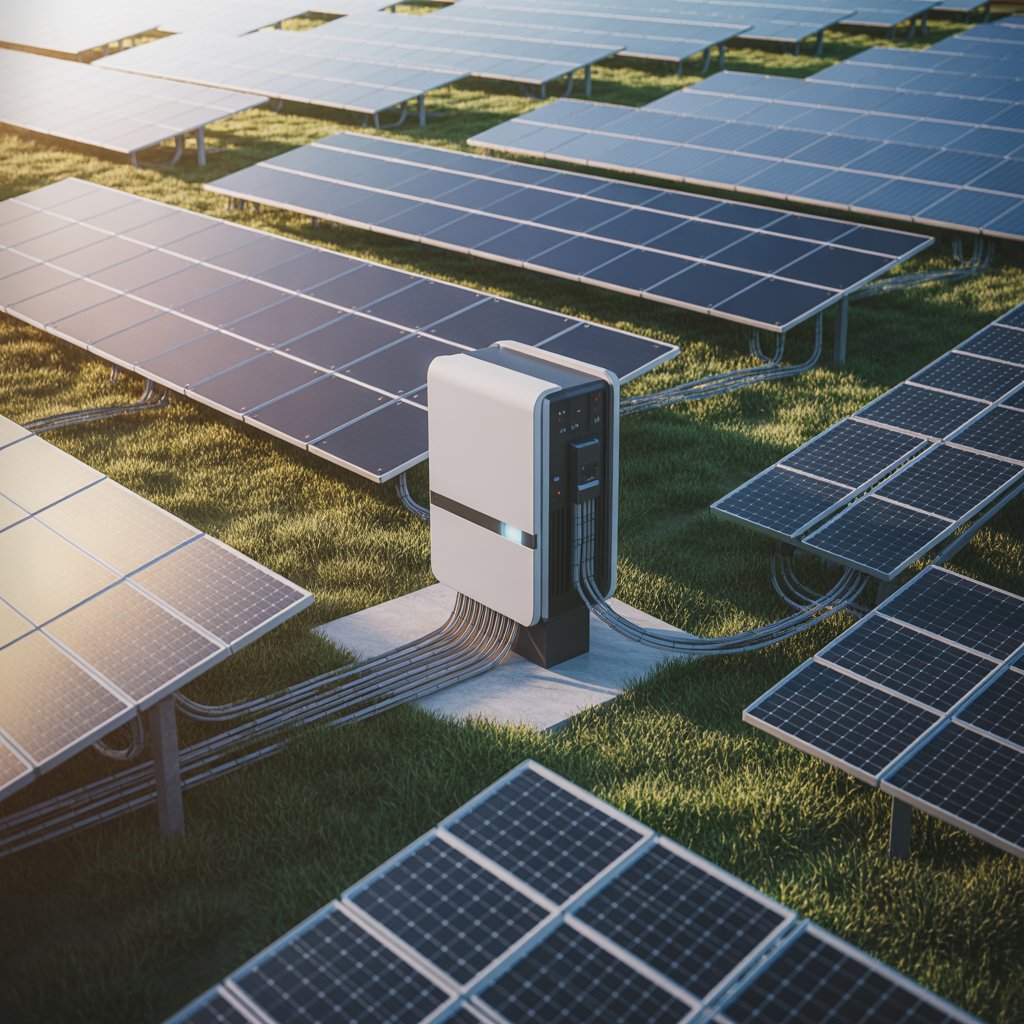
One of the most significant applications of AI in the PV industry lies in improving the efficiency of solar panels. AI algorithms analyze historical and real-time data, such as sunlight intensity, temperature, panel orientation, and atmospheric conditions, to optimize energy output. Machine learning models help identify performance degradation, dirt accumulation, or hardware defects, ensuring that panels operate at peak efficiency throughout their lifespan.
Moreover, AI-driven predictive maintenance systems are revolutionizing operation and maintenance (O&M). Instead of routine inspections, AI tools predict when and where faults are likely to occur, enabling timely interventions and minimizing downtime. This not only reduces maintenance costs but also extends the operational life of PV systems.
Enhancing Manufacturing Processes
In PV manufacturing, AI is helping improve the quality control and automation of production lines. Computer vision systems powered by AI detect microcracks, edge defects, and surface anomalies in solar wafers and cells. These smart inspection systems outperform traditional methods in both speed and accuracy, ensuring higher yields and lower waste.
AI is also driving materials innovation by analyzing large datasets from laboratory experiments and simulations. It assists researchers in discovering new materials and compositions for next-generation solar cells, such as perovskite and tandem cells, potentially achieving higher efficiency at reduced costs.
AI in Solar Energy Forecasting and Grid Management
The intermittent nature of solar energy has long posed challenges for grid operators. AI is now being leveraged for accurate solar power forecasting, using weather data, satellite imagery, and historical performance trends to predict energy generation at granular levels. This allows utilities to better balance supply and demand and reduces reliance on fossil fuel backup systems.
Furthermore, AI plays a critical role in smart grid integration and energy storage optimization. AI algorithms determine when to store excess energy in batteries and when to release it into the grid based on usage patterns, grid demand, and pricing signals. This enables more stable and efficient energy systems, supporting the broader adoption of solar power.
Market Outlook and Growth Potential
The AI-integrated photovoltaics market is poised for rapid expansion. With governments worldwide investing heavily in renewable energy infrastructure and digital transformation, the demand for intelligent solar solutions is set to grow. According to industry forecasts, the AI in solar energy market is expected to witness double-digit CAGR over the next five years, with substantial investments flowing into AI-enhanced solar software platforms, smart inverters, and autonomous maintenance systems.
Frequently Asked Questions (FAQs) on the Photovoltaics Market
What is the photovoltaics market?
The photovoltaics (PV) market refers to the global industry involved in the production, distribution, and installation of photovoltaic systems that convert sunlight into electricity using solar cells, primarily composed of semiconductor materials like silicon.
What are the key drivers of the photovoltaics market?
Major drivers include growing demand for clean and renewable energy, declining costs of PV systems, supportive government incentives and policies, advancements in solar cell efficiency, and increasing concerns over climate change and carbon emissions.
Which regions are leading the photovoltaics market?
Asia-Pacific, especially China and India, leads the market due to large-scale installations and manufacturing capacity, followed by Europe and North America where renewable energy policies and environmental regulations are fueling adoption.
What are the major types of photovoltaic technologies?
The main types include monocrystalline silicon, polycrystalline silicon, and thin-film technologies like cadmium telluride (CdTe) and copper indium gallium selenide (CIGS), each offering different efficiency and cost characteristics.
What challenges does the photovoltaics market face?
Key challenges include intermittent energy generation, high initial installation costs, land usage concerns, recycling and disposal of solar panels, and dependency on weather conditions, which can affect efficiency and output.
What is the future outlook for the photovoltaics market?
The market is expected to grow robustly due to rising global energy demand, technological innovations like bifacial and perovskite solar cells, increased electrification, and global commitments to net-zero emissions.
See More Latest Semiconductor Reports:
Microgrid Market by Connectivity (Grid Connected, Off-grid), Offering (Hardware (Power Generators, Controllers, Energy Storage Systems), Software, Services), Power Source, End User, Power Rating and Region – Global Forecast to 2029
Thin-Film Photovoltaic Market by Material (Cadmium Telluride, Copper Indium Gallium Selenide, Amorphous Silicon, Perovskite, and Organic PV), Type (Rigid, and Flexible), Component (Module, Inverter, and BOS), End Use & Region – Global Forecast to 2029
Battery Energy Storage System Market Size, Share & Industry Trends Growth Analysis Report by Battery Type (Lithium-ion, Advanced Lead Acid, Flow, Nickel-based), Energy Capacity (Below 100 MWh, Between 100 MWh & 500 MWh, Above 500 MWh), Connection Type, Ownership and Region – Global Forecast to 2029
