The HVAC system market by cooling continues to expand at a steady pace as global demand for reliable temperature control solutions rises across residential commercial and industrial sectors. Rising urbanization and extreme weather patterns push organizations and homeowners to invest in advanced cooling technologies that deliver both efficiency and comfort. The HVAC system market is projected to reach USD 407.77 billion by 2030 from USD 299.28 billion in 2025, at a CAGR of 6.4% from 2025 to 2030. This growth reflects increasing focus on sustainable indoor environments where cooling plays a central role. Stakeholders now prioritize systems that reduce energy consumption while meeting strict regulatory standards for refrigerants and emissions. The HVAC system market by cooling therefore stands as a vital component in modern infrastructure development worldwide.
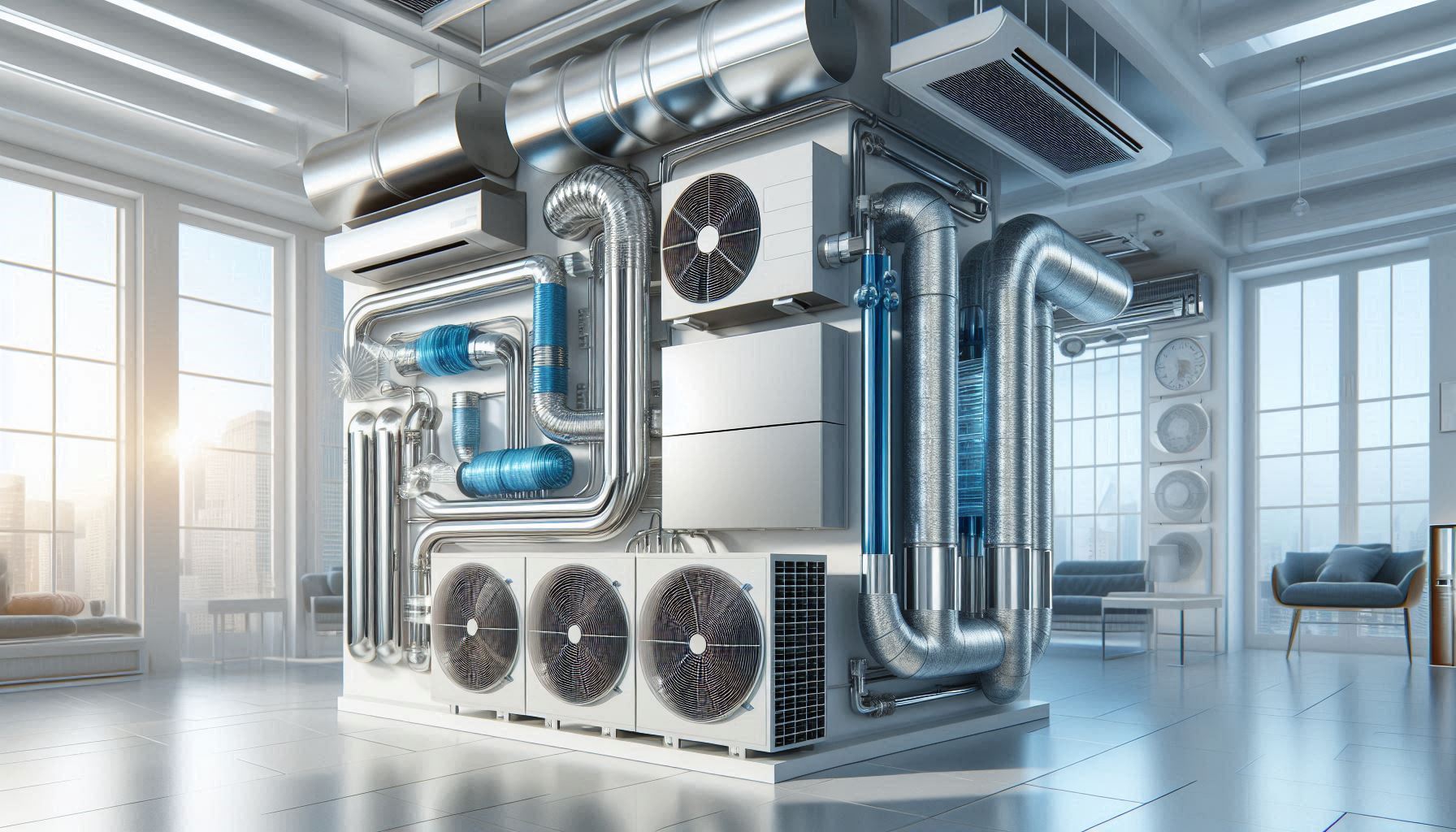
Market overview of the HVAC system market by cooling highlights its critical position within the broader HVAC industry. Cooling equipment accounts for substantial revenue share due to year round demand in hot climates and data driven facilities. Unitary air conditioners lead adoption in both small and large scale projects because of their versatility and ease of installation. Variable refrigerant flow systems gain momentum in commercial buildings for their zoning capabilities that optimize energy use. The HVAC system market by cooling also benefits from technological advancements like smart controls and low global warming potential refrigerants. These innovations help operators lower operational costs and comply with environmental guidelines. Overall the sector demonstrates robust potential as construction activity accelerates globally.
Download PDF Brochure @ https://www.marketsandmarkets.com/pdfdownloadNew.asp?id=202111288
Exploring key segments in the HVAC system market by cooling reveals distinct categories tailored to specific applications and capacities.
• VRF systems offer scalable zoning for commercial and residential use.
• Chillers serve large scale industrial and data center cooling needs.
• Room air conditioners provide affordable point of use solutions.
• Coolers deliver cost effective options for moderate climates.
• Cooling towers support efficient heat rejection in heavy industrial setups.
This segmentation allows precise matching of technology to end user requirements across diverse environments.
Unitary air conditioners represent the leading category in the HVAC system market by cooling. These packaged or split systems deliver consistent performance in residential and light commercial spaces. Their compact design simplifies installation and maintenance which appeals to budget conscious buyers. Manufacturers continue to integrate inverter technology that adjusts compressor speed for optimal energy savings. Demand surges in emerging markets where new housing developments require reliable cooling. The HVAC system market by cooling sees unitary units as foundational equipment that balances affordability with modern efficiency standards. Projections indicate sustained leadership for this segment through the forecast period.
Variable refrigerant flow systems emerge as a high growth area within the HVAC system market by cooling. These advanced setups allow independent temperature control across multiple zones using a single outdoor unit. Commercial buildings benefit from reduced ductwork and lower energy bills compared to traditional central systems. Residential applications also adopt VRF for premium homes seeking quiet operation and precise climate management. The HVAC system market by cooling benefits from VRF innovation as developers prioritize flexible and scalable solutions. Industry experts forecast accelerated uptake driven by smart building trends and green certification programs.
Chillers form an essential pillar of the HVAC system market by cooling particularly in large facilities. Water cooled and air cooled variants handle high capacity loads in hospitals data centers and manufacturing plants. Efficiency improvements through magnetic bearing compressors and variable speed drives reduce power consumption significantly. The HVAC system market by cooling expands here as infrastructure projects multiply worldwide. Operators value chillers for their reliability in maintaining strict temperature tolerances critical for sensitive processes. Future designs emphasize integration with renewable energy sources to further enhance sustainability.
Room air conditioners and coolers address accessible cooling needs in the HVAC system market by cooling. These compact units suit apartments small offices and retrofits where central systems prove impractical. Energy efficient models with inverter compressors and eco friendly refrigerants gain popularity among cost sensitive consumers. The HVAC system market by cooling includes these options to serve diverse income levels and climate zones. Manufacturers focus on quiet operation smart connectivity and easy maintenance to boost user satisfaction. Such products ensure broad market penetration even in developing regions.
Cooling towers complete the portfolio in the HVAC system market by cooling by managing heat dissipation for industrial and large commercial applications. Evaporative dry and hybrid designs offer choices based on water availability and efficiency goals. These systems integrate seamlessly with chillers to create closed loop cooling circuits that minimize waste. The HVAC system market by cooling relies on towers for cost effective large scale performance. Ongoing advancements target reduced water usage and lower maintenance requirements. Their role remains indispensable as industrial expansion drives demand for robust heat rejection solutions.
Several factors propel growth across the HVAC system market by cooling. Rising construction of green buildings encourages adoption of high performance cooling equipment. Government incentives for energy efficient technologies accelerate replacement of outdated systems. Climate change increases cooling degree days prompting wider installation of advanced units. The HVAC system market by cooling also gains from digital transformation including IoT enabled monitoring for predictive maintenance. These drivers create a favorable environment for innovation and investment in cooling solutions.
The HVAC system market by cooling faces certain restraints that stakeholders must navigate carefully. High initial installation costs deter some small scale projects especially in price sensitive markets. Skilled labor shortages complicate timely deployment and servicing of complex systems like VRF and chillers. Supply chain disruptions for components occasionally affect production timelines. Despite these hurdles the long term benefits of modern cooling technologies outweigh short term challenges. Industry participants address barriers through training programs and financing options that broaden accessibility.
Regional dynamics shape performance in the HVAC system market by cooling with Asia Pacific leading expansion. Rapid urbanization and population growth in China India and Southeast Asia fuel demand for unitary air conditioners and room units. North America maintains steady growth supported by replacement cycles and smart building initiatives. Europe advances through stringent energy directives that favor low emission cooling solutions. The HVAC system market by cooling shows promising trajectories across all major regions as local needs align with global sustainability goals. Emerging markets contribute additional momentum through infrastructure modernization projects.
Technological advancements transform the HVAC system market by cooling landscape. Inverter driven compressors and variable speed fans deliver superior part load efficiency. Integration of artificial intelligence enables real time optimization based on occupancy and weather data. Low global warming potential refrigerants become standard to meet international phase down schedules. The HVAC system market by cooling embraces these breakthroughs to reduce carbon footprints while enhancing user comfort. Manufacturers invest heavily in research to stay competitive in this evolving environment.
Future outlook for the HVAC system market by cooling remains optimistic through 2030 and beyond. Continued emphasis on net zero buildings will drive uptake of integrated cooling solutions. Hybrid systems combining cooling with renewable energy storage gain traction in both new and retrofit applications. The HVAC system market by cooling will likely see consolidation among leading players seeking broader portfolios. Emerging technologies such as magnetic refrigeration could disrupt traditional approaches in the longer term. Stakeholders who prioritize innovation and sustainability position themselves for sustained success.
In conclusion the HVAC system market by cooling presents compelling opportunities for growth and differentiation. Diverse segments from unitary air conditioners to cooling towers cater to varied requirements while technological progress enhances overall value. Market participants who align with energy efficiency and regulatory trends will capture significant share. The sector stands ready to support global efforts toward comfortable sustainable built environments. Ongoing monitoring of regional developments and consumer preferences will guide strategic decisions in this dynamic field.
FAQs
What are the main segments covered in the HVAC system market by cooling?
The primary segments include unitary air conditioners VRF systems chillers room air conditioners coolers and cooling towers each serving distinct capacity and application needs.
What is the projected growth rate for the HVAC system market by cooling?
HVAC system market is projected to reach USD 407.77 billion by 2030 from USD 299.28 billion in 2025, at a CAGR of 6.4% from 2025 to 2030.
Which cooling equipment type leads the HVAC system market by cooling?
Unitary air conditioners hold the largest share due to their versatility ease of installation and strong demand across residential and commercial projects.
How do regional factors influence the HVAC system market by cooling?
Asia Pacific leads growth through urbanization while North America and Europe emphasize energy efficient and low emission solutions driven by regulations and infrastructure upgrades.
What key trends shape the future of the HVAC system market by cooling?
Smart integration inverter technology low global warming potential refrigerants and artificial intelligence driven optimization represent the major trends enhancing efficiency and sustainability.