The microbiology testing industry market involves the examination of substances including food, water, air, clinical specimens, and environmental samples for the analysis of microorganisms such as bacteria, viruses, and fungi. It serves multiple sectors, including healthcare for diagnosing infections, the food industry to ensure product safety, and the pharmaceutical sector to guarantee sterility and contamination control.
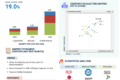
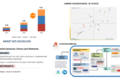
The global microbiology testing market was valued at USD 7.45 billion in 2025 and USD 7.79 billion in 2026, and it is projected to reach USD 10.09 billion by 2031, growing at a compound annual growth rate (CAGR) of 5.3%.
Download PDF Brochure:https://www.marketsandmarkets.com/pdfdownloadNew.asp?id=187005691
The microbiology testing market is primarily driven by the clinical demand for faster pathogen identification, the rising global concern around hospital-acquired infections, and tightening pharmaceutical and food-safety regulations from agencies such as the U.S. FDA. However, market expansion is heavily restrained by the high upfront capital investment and operational costs required for automated systems, alongside a severe global shortage of skilled laboratory personnel. Lucrative opportunities exist in the rapid shift toward digital, AI-enabled, and automated testing platforms that facilitate real-time continuous monitoring and accelerate batch release workflows. Despite these prospects, the industry faces key challenges, including the ever-evolving nature of microorganisms requiring continuous methodological refinement, and regulatory and compliance complexities in emerging countries that add to cost and documentation burdens.
The target customers for the microbiology testing industry market include pharmaceutical and biotechnology companies, food and beverage producers, environmental and water testing organizations, cosmetics and personal care companies, hospitals, diagnostic laboratories, urgent-care chains, and retail clinics. These customers need highly accurate, rapid diagnostic and contamination control solutions to comply with strict government safety regulations, prevent outbreaks, and ensure product quality assurance while reducing product release times. They show a strong preference for advanced testing technologies, such as nucleic acid-based molecular diagnostics and PCR testing, point-of-care testing devices, and total laboratory automation systems that mitigate clinician workloads and labor shortages. Their purchasing behavior is heavily driven by mandatory regulatory compliance, institutional upgrades to healthcare infrastructure, and the continuous necessity to mitigate contamination risks, often resulting in strategic partnerships, acquisitions, and long-term supply contracts to maintain workflow efficiency and volume capabilities.
Market entry, expansion, and profitability in the microbiology testing industry market are heavily shaped by tightening regulatory oversight, rapid technological innovation, and distinct economic pressures. Stringent safety, quality, and preventive control regulations enforced by agencies like the U.S. FDA and the European Medicines Agency boost the demand for microbial quality assurance across the pharmaceutical, food, and cosmetic supply chains, though compliance requirements can elevate costs and hinder growth. Technologically, the market is being disrupted by advancements in automation, multiplex PCR, next-generation sequencing, and mass spectrometry that improve the speed and sensitivity of microbial detection, alongside laboratory investments in total automation to combat personnel shortages. Economically, while the rising incidence of infectious diseases and expanding pharmaceutical production ensure robust demand, widespread adoption and profitability face significant restraints from high capital investment and operational costs, pricing pressures, and a severe global shortage of skilled laboratory personnel.
The microbiology testing market is being profoundly shaped by a rapid shift toward advanced laboratory automation, digitalization, and the rising integration of rapid microbiological methods to optimize quality control and turnaround times. Emerging trends include the growing adoption of automated and digitally integrated testing platforms, a shift toward high-throughput systems like next-generation sequencing (NGS) and MALDI-TOF mass spectrometers, and the expanding use of molecular diagnostics such as PCR to address antimicrobial resistance and clinical demands for faster pathogen identification. These trends are evolving at a swift pace, as evidenced by a projected compound annual growth rate (CAGR) of 9.04% from 2026 to 2035 for the global market, alongside high-velocity segments like molecular diagnostics advancing at a 12.18% CAGR and automated instruments and equipment expanding at an 11.65% CAGR through 2031.
Download PDF Brochure:https://www.marketsandmarkets.com/pdfdownloadNew.asp?id=187005691
Technological innovations disrupting the microbiology testing industry are centered on enhancing speed, automation, and data precision to replace traditional culture-based methods. Key advancements gaining significant traction include the integration of artificial intelligence and machine learning to automate sample processing, provide real-time data analytics, and guide clinical decisions. Molecular diagnostics, such as polymerase chain reaction (PCR), digital PCR (dPCR), and next-generation sequencing (NGS), along with Matrix-Assisted Laser Desorption/Ionization Time-of-Flight (MALDI-TOF) mass spectrometry, are revolutionizing pathogen identification by compressing turnaround times from weeks to hours. Additionally, the convergence of IoT-capable biosensors, advanced robotic sample handling, and needle-free, multi-analyte surface sensors is shifting industrial and clinical testing into a continuous, real-time monitoring process that vastly improves workflow efficiency and contamination control.
In the microbiology testing market, short-term trends are often driven by immediate, episodic social media promotions and tactical testing adjustments for sponsors facing near-term supply constraints. Conversely, long-term structural shifts are firmly anchored in permanent transformations toward automation, digitalization, and stricter regulatory compliance frameworks. These enduring evolutions include the rapid adoption of total laboratory automation systems to address high workforce vacancy rates, an accelerating clinical transition to rapid molecular diagnostics like PCR to compress pathogen detection times, and tightened government oversight across pharmaceutical, biotech, and food safety supply chains to mandate routine microbial quality control.
Source:https://www.marketsandmarkets.com/Market-Reports/microbiology-testing-market-187005691.html