The global industrial landscape is changing rapidly as businesses prioritize safety, product quality, operational efficiency, and equipment reliability. From oil and gas pipelines to aircraft components, power generation equipment, automobiles, and manufacturing systems, organizations need reliable ways to detect defects before they lead to costly failures. This growing requirement is creating significant opportunities in the NDT and Inspection Market, where advanced technologies are transforming how industries monitor assets and maintain quality standards.
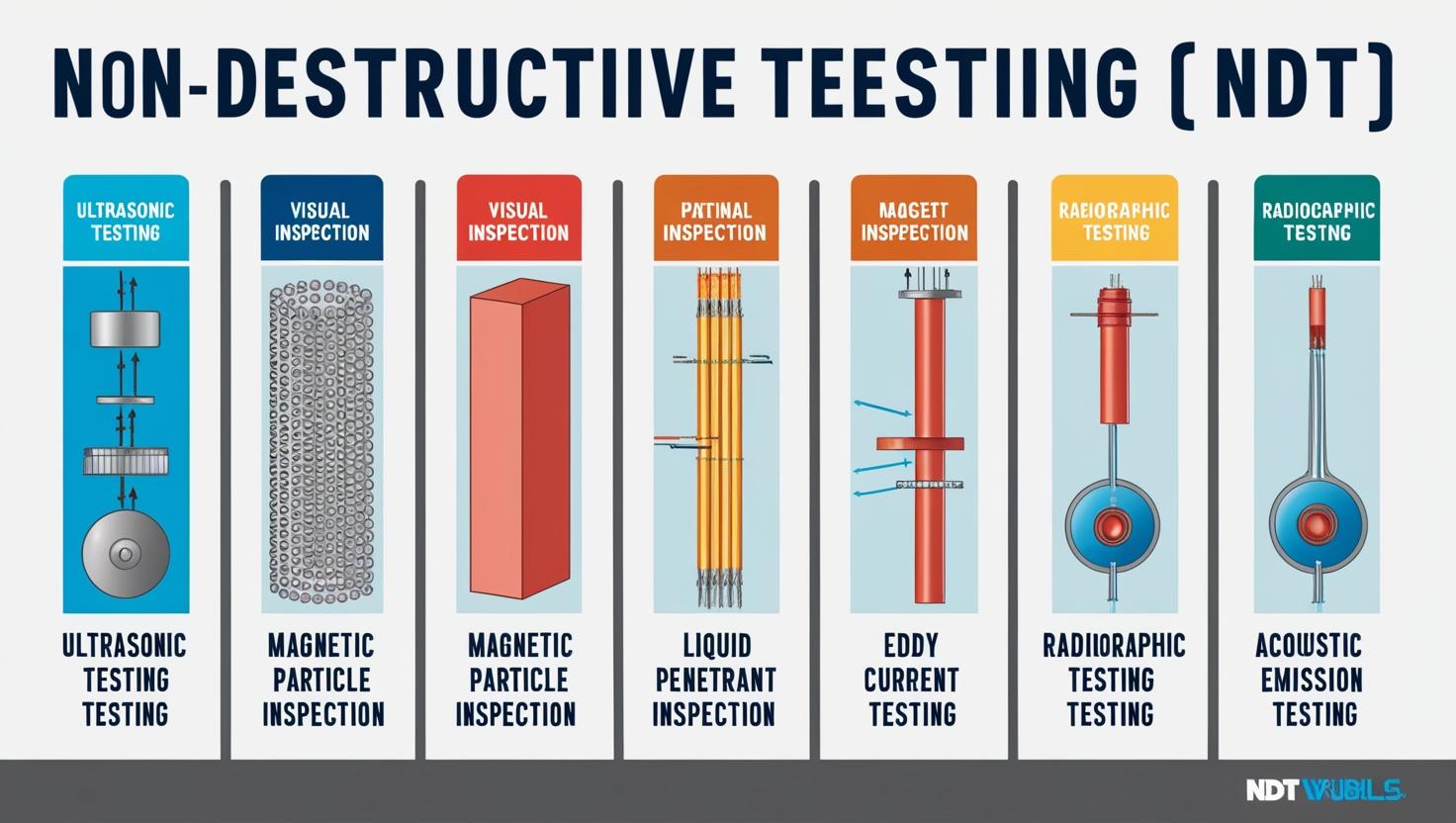
Non-destructive testing (NDT) enables organizations to examine materials, components, and structures without damaging their functionality. Traditional methods such as ultrasonic testing, radiographic testing, magnetic particle testing, eddy-current testing, and visual inspection remain essential across industrial applications. However, advances in artificial intelligence (AI), robotics, digital imaging, Internet of Things (IoT) connectivity, and automated inspection are expanding the capabilities of modern NDT solutions.
According to MarketsandMarkets, the global NDT and Inspection Market was valued at USD 14.99 billion in 2025 and is projected to reach USD 22.34 billion by 2030, registering a compound annual growth rate (CAGR) of 8.3% during the forecast period. Increasing demand for advanced testing technologies, stringent safety regulations, predictive maintenance, and digital inspection solutions is supporting market expansion.
As industries adopt more complex materials and automated production processes, NDT providers have opportunities to deliver faster, more accurate, and data-driven inspection services. These developments are making advanced testing an increasingly important part of industrial asset management and quality assurance.
Top Key Takeaways
- The global NDT and Inspection Market is projected to grow from USD 14.99 billion in 2025 to USD 22.34 billion by 2030, at a CAGR of 8.3%.
- AI, robotics, digital radiography, IoT, and digital twins are creating opportunities for faster and more data-driven inspection.
- Renewable energy and power generation are emerging opportunity areas for inspection services and advanced testing equipment.
- Asia Pacific is projected to be the fastest-growing region, supported by industrialization, infrastructure development, and expanding manufacturing.
- High equipment costs, skilled-labor shortages, and complex materials remain challenges for the adoption of advanced inspection technologies.
Key Opportunities in the NDT and Inspection Market
1. AI and Machine Learning Transforming Defect Detection
Artificial intelligence is emerging as an important technology in the NDT and Inspection Market. Conventional inspection processes often require experienced technicians to interpret test results, identify abnormalities, and determine whether components meet required quality standards. AI-powered systems can support these activities by analyzing inspection images, sensor readings, and historical testing data.
Machine learning algorithms can help identify patterns associated with cracks, corrosion, material inconsistencies, and other defects. When integrated with digital radiography, ultrasonic testing, and automated visual inspection, these systems can improve consistency and support faster decision-making.
AI also creates opportunities for predictive maintenance. By analyzing historical inspection results alongside operating data, industrial organizations can identify assets that may require further examination or maintenance. This can help reduce unplanned downtime and improve equipment utilization.
For NDT equipment manufacturers and service providers, opportunities include developing intelligent defect-recognition software, automated reporting platforms, and integrated inspection systems. However, AI-based findings still require appropriate validation, qualified personnel, and compliance with applicable inspection standards.
Download PDF Brochure @ https://www.marketsandmarkets.com/pdfdownloadNew.asp?id=882
2. Robotics, Drones, and Remote Inspection Solutions
Industrial inspection frequently involves hazardous, elevated, confined, or difficult-to-access environments. Examples include offshore platforms, transmission pipelines, wind turbines, storage tanks, bridges, and large industrial facilities.
Robotic inspection systems and drones are creating opportunities to examine these assets while reducing the need for personnel to enter potentially dangerous areas. Equipped with cameras, ultrasonic sensors, thermal imaging systems, or other inspection instruments, these platforms can collect information from locations that are difficult to access using conventional methods.
In the oil and gas industry, remote inspection technologies can support pipeline surveys, corrosion assessment, and examinations of offshore infrastructure. In renewable energy, drones can assist with visual inspections of wind turbine blades and solar installations. In infrastructure, robotic systems can help inspect bridges, tunnels, and other structures.
According to MarketsandMarkets, increasing demand for remote and contactless inspection solutions is a key growth driver for the NDT and Inspection Market.
MarketsandMarkets
The opportunity extends beyond equipment sales. Companies can develop recurring inspection services, remote monitoring platforms, equipment rental offerings, and data analysis solutions that help customers manage assets more efficiently.
3. IoT and Digital Twins Enabling Predictive Maintenance
The integration of IoT sensors and digital twin technologies is changing how companies monitor industrial equipment. Instead of relying exclusively on scheduled inspections, organizations can combine periodic NDT results with continuous operating data to obtain a more comprehensive view of asset condition.
IoT-enabled sensors can collect information about vibration, temperature, pressure, and other operating parameters. Digital platforms can then organize this information alongside inspection records, maintenance histories, and engineering models.
Digital twins provide virtual representations of physical assets, helping engineers evaluate performance, understand deterioration patterns, and prioritize inspections. When supported by reliable data, these tools can improve maintenance planning and help identify areas requiring additional testing.
This creates opportunities for NDT companies to move beyond individual inspection procedures toward integrated asset-integrity management services. Equipment manufacturers can also differentiate their offerings through connected instruments, cloud-based reporting, and software that links test results with maintenance systems.
MarketsandMarkets identifies AI, IoT, and digital twin adoption as important trends supporting improved defect detection, real-time monitoring, and proactive decision-making in the market.
MarketsandMarkets
4. Renewable Energy and Power Generation Creating New Demand
The global transition toward cleaner energy sources is creating new inspection requirements across wind, solar, hydroelectric, nuclear, and other power generation infrastructure.
Wind turbines require inspections of blades, towers, welds, and structural components throughout their operating lives. Solar installations require checks of supporting structures, electrical components, and associated infrastructure. Power generation facilities also need regular examinations of pressure vessels, piping, turbines, boilers, and critical components.
NDT techniques such as ultrasonic testing, phased-array ultrasonic testing, radiographic testing, and eddy-current testing can help detect defects and evaluate material integrity without damaging the assets being inspected.
MarketsandMarkets identifies growing demand for NDT and inspection services in renewable energy and power sectors as a significant market opportunity.
MarketsandMarkets
For service providers, this creates potential business in installation-stage quality assurance, periodic inspections, structural integrity assessments, and maintenance support. Providers with expertise in renewable energy infrastructure and remote inspection technologies may be particularly well positioned to address these requirements.
5. Aerospace and Advanced Manufacturing Expanding Application Areas
The growing complexity of aircraft, automotive systems, and industrial products is increasing demand for advanced inspection methods. Manufacturers are using lightweight composites, specialized alloys, precision-engineered parts, and additive manufacturing processes to improve product performance and production efficiency.
These materials and manufacturing techniques can introduce defects that are difficult to identify through conventional visual examination alone. Advanced NDT methods help evaluate internal structures, material consistency, weld quality, and component integrity.
In aerospace, inspection is essential for aircraft engines, fuselage structures, composite airframes, and safety-critical components. In automotive manufacturing, NDT supports quality control for castings, welds, battery-related components, and lightweight structural materials. In industrial manufacturing, automated inspection can help identify production defects before products reach customers.
MarketsandMarkets projects aerospace to be the fastest-growing vertical in the NDT and Inspection Market during 2025–2030, reflecting demand for advanced inspection of aircraft components, composite structures, and materials.
Ultrasonic testing held the largest share of the NDT and Inspection Market by technique in 2024, while acoustic emission testing is projected to register the highest CAGR among techniques during the forecast period, according to MarketsandMarkets. Acoustic emission testing is used to monitor stress-related signals generated by active changes in materials and structures, making it relevant to structural health monitoring and predictive maintenance.
MarketsandMarkets
These developments indicate that future market growth will depend not only on individual testing methods but also on how effectively equipment, software, and inspection services work together.
Key Growth Drivers Supporting Market Expansion
Several factors are accelerating investment in NDT and inspection solutions across global industries.
Stringent safety and quality regulations: Industries such as aerospace, oil and gas, transportation, and power generation must comply with applicable safety and quality requirements. Reliable inspection helps organizations identify defects, document asset condition, and demonstrate compliance with relevant standards.
Aging industrial infrastructure: Older pipelines, bridges, power plants, refineries, and industrial facilities require regular condition assessments. NDT helps evaluate structural integrity and identify deterioration without requiring extensive disassembly.
Industrial automation: Manufacturers are integrating automated inspection equipment into production lines to improve quality control and identify defects earlier. Inline inspection can reduce rework and support consistent production standards.
Predictive maintenance: Businesses are increasingly seeking maintenance strategies that minimize unexpected failures. Combining NDT results with operating data can help maintenance teams prioritize inspections and plan repairs.
Demand for portable inspection equipment: Compact and portable NDT instruments can be useful for field inspections, remote locations, and facilities where transporting large equipment is impractical. MarketsandMarkets identifies demand for miniaturized and portable NDT devices as another opportunity for the market.
MarketsandMarkets
Challenges Facing the NDT and Inspection Market
Despite strong growth opportunities, the industry faces several challenges that may affect the pace of technology adoption.
High Equipment and Implementation Costs
Advanced inspection equipment, including phased-array ultrasonic systems, digital radiography solutions, and industrial computed tomography systems, can require substantial investment. Organizations must also account for calibration, maintenance, software integration, and technician training.
These costs can be particularly challenging for smaller manufacturers and inspection service providers. Equipment rental and service-based purchasing models may help reduce upfront expenses.
Shortage of Skilled Technicians
Advanced NDT procedures require qualified personnel who understand inspection methods, equipment operation, defect interpretation, and applicable standards. A shortage of experienced technicians can constrain service capacity and complicate the adoption of sophisticated technologies.
Training, certification, and digital tools that assist technicians with data interpretation can help address this challenge. However, automated systems do not eliminate the need for qualified professionals where technical judgment and formal approval are required.
Complexity of Modern Materials
Advanced composites, additive-manufactured components, layered structures, and complex industrial geometries can make defect detection more difficult. Different materials and defects may require different inspection methods, specialized equipment, and carefully designed testing procedures.
Inspection providers must continue developing technical expertise and selecting appropriate methods to ensure accurate and dependable results.
Competitive Landscape and Leading Companies
The NDT and Inspection Market includes equipment manufacturers, independent testing laboratories, inspection service providers, and companies offering integrated asset integrity solutions. Competition increasingly centers on technological capabilities, inspection accuracy, service coverage, and the ability to combine testing with digital analysis.
Key companies identified by MarketsandMarkets include:
- SGS SA
- Bureau Veritas
- Baker Hughes Company
- Applus+
- Intertek Group plc
- MISTRAS Group
- TÜV Rheinland
- DEKRA
- Evident
- Ashtead Technology
- Eddyfi Technologies
- Element Materials Technology
- Acuren
- TEAM, Inc.
- NDT Global
Future Outlook: Where Are the Biggest Opportunities?
The future of the NDT and Inspection Market will be shaped by the convergence of advanced testing techniques, digital analytics, robotics, and industrial asset management.
The transition from traditional inspection procedures toward more connected and data-driven workflows creates opportunities for companies to deliver value beyond defect detection. These services may include digital reporting, asset condition assessment, remote monitoring, inspection planning, and predictive maintenance support.
Renewable energy, aerospace, advanced manufacturing, and aging infrastructure are particularly important areas to watch. Each requires reliable inspection methods to maintain safety, reduce operational risks, and support long-term asset performance.
MarketsandMarkets projects the global NDT and Inspection Market to reach USD 22.34 billion by 2030, up from USD 14.99 billion in 2025, at a CAGR of 8.3%.
Companies that combine technical expertise with validated automation, digital tools, and industry-specific solutions will be positioned to pursue these growth opportunities. At the same time, continued investment in workforce training, equipment modernization, and cybersecurity will be important as inspection systems become increasingly connected.
Ultimately, advanced NDT and inspection technologies are becoming essential to industrial quality, safety, and reliability. Their expanding role across established and emerging industries is expected to create opportunities for equipment manufacturers, inspection service providers, and technology developers throughout the forecast period.
Frequently Asked Questions (FAQs)
1. What is the projected growth of the NDT and Inspection Market?
The market is projected to grow from USD 14.99 billion in 2025 to USD 22.34 billion by 2030, at a CAGR of 8.3%, according to MarketsandMarkets.
2. What are the major opportunities in the NDT and Inspection Market?
Major opportunities include AI-powered defect detection, robotic inspection, drone-based testing, portable NDT equipment, digital twins, predictive maintenance, and inspection services for renewable energy and power infrastructure.
3. Which NDT technique holds the largest market share?
Ultrasonic testing held the largest market share by technique in 2024, supported by its broad application across oil and gas, aerospace, power generation, and manufacturing.
4. Which region is expected to grow fastest in the NDT and Inspection Market?
Asia Pacific is projected to be the fastest-growing region during 2025–2030, with a forecast CAGR of 10.0%.
5. How is AI transforming the NDT and Inspection Market?
AI can help analyze inspection data, identify potential defects, automate parts of reporting, and support predictive maintenance. Its use requires appropriate validation and qualified oversight to ensure dependable inspection results.
