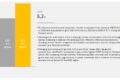
The global neonatal care equipment market, valued at US$2.0 billion in 2024, reached US$2.06 billion in 2025 and is projected to grow at a resilient CAGR of 5.6%, reaching US$2.84 billion by 2030. This growth is fueled by rising preterm birth rates, technological advancements in neonatal care, and increasing government initiatives aimed at reducing infant mortality.
Growing investments in NICU infrastructure, combined with heightened awareness about neonatal health, are driving demand for incubators, ventilators, monitoring systems, and other specialized neonatal equipment. However, market expansion is constrained by high equipment costs, limited access in low-income regions, and complex regulatory requirements. Additionally, in emerging economies, the preference for refurbished equipment over new technologies hampers adoption.
Download PDF Brochure: https://www.marketsandmarkets.com/pdfdownloadNew.asp?id=412
Product Segmentation: Innovative Solutions for NICUs
The neonatal care equipment market is segmented by product into:
- Neonatal incubators
- Neonatal respiratory care devices
- Convertible warmers & incubators
- Neonatal phototherapy equipment
- Neonatal monitoring devices
- Neonatal diagnostic imaging components
- Infant warmers
- Other neonatal care equipment
Technological innovations have led to hybrid incubators and warmers that can switch between closed (incubator) and open (warmer) modes. These designs enhance infection control, clinical efficiency, and infant outcomes, driving widespread adoption in NICUs. Advanced monitoring systems, AI-enabled analytics, and integration with hospital information systems are further increasing the value of neonatal care devices.
End Users: General Hospitals Lead the Market
By end user, the market includes pediatric hospitals, general hospitals, maternity & birthing centers, and other healthcare facilities. In 2024, general hospitals held the largest market share. These hospitals typically handle emergency obstetric and surgical care, including premature deliveries and high-risk C-sections, necessitating sophisticated NICU equipment.
The presence of Level III and IV NICUs in urban and academic hospitals, equipped with advanced monitoring systems, hybrid incubators, and smart respiratory devices, contributes significantly to the market’s value. Hospitals are increasingly adopting integrated NICU solutions that enhance clinical decision-making, optimize workflow, and improve infant survival rates.
Geographic Insights: Urban Centers and NICU Infrastructure
Regions with dense networks of high-level NICUs, particularly in North America and Europe, dominate market adoption. These units rely on state-of-the-art incubators, warmers, ventilators, and monitoring systems to deliver comprehensive neonatal care. Government initiatives, reimbursement policies, and healthcare funding further support market growth in these regions.
Emerging economies present both challenges and opportunities. While limited budgets and infrastructure constraints slow adoption of new equipment, increasing awareness, government programs, and private investments are gradually driving demand for modern neonatal care solutions.
Key Market Players: Innovation, Global Reach, and Clinical Expertise
The neonatal care equipment market is highly competitive, with leading players leveraging innovation, global distribution, and clinical collaborations. Key companies include GE Healthcare (US), Drägerwerk AG & Co. KGaA (Germany), Koninklijke Philips N.V. (Netherlands), Medtronic (Ireland), Masimo (US), BD (US), Cardinal Health (US), Fisher & Paykel Healthcare (New Zealand), ICU Medical (US), Atom Medical (Japan), Ambu (Denmark), Inspiration Healthcare (UK), Nihon Kohden (Japan), and Vyaire Medical (US).
GE Healthcare (US)
GE Healthcare is a top manufacturer due to its comprehensive neonatal product portfolio, global presence, and strong innovation capabilities. The company offers advanced incubators, infant warmers, ventilators, and monitoring systems, many integrated with AI and data analytics. GE’s focus on ergonomic design, clinical efficiency, and NICU connectivity has positioned it as a preferred choice among healthcare providers. Strategic collaborations and R&D investments further reinforce its market leadership, while a global distribution network ensures wide access to neonatal solutions.
Drägerwerk AG & Co. KGaA (Germany)
Drägerwerk specializes in neonatal respiratory support and thermal management systems, offering high-performance ventilators, incubators, warmers, and monitoring devices tailored for NICU environments. Its focus on patient safety, gentle ventilation strategies, and user-friendly interfaces has made its solutions widely adopted globally. Continuous innovation, clinical partnerships, and integrated NICU offerings enhance its market position, supported by a robust global footprint and after-sales services.
Koninklijke Philips N.V. (Netherlands)
Philips provides a broad range of neonatal monitoring systems, incubators, CPAP devices, and imaging solutions designed for NICU settings. Its integrated platforms combine real-time monitoring, smart alarms, and data connectivity, improving clinical decision-making and infant safety. Philips is recognized for non-invasive respiratory solutions, MRI-compatible neonatal devices, and user-centric design, reducing caregiver workload while enhancing clinical outcomes. Strategic partnerships with leading hospitals and a strong global presence reinforce its leadership in neonatal care.
Market Outlook and Emerging Trends
Several trends are expected to shape the neonatal care equipment market:
- Hybrid and multi-functional devices: Incubators that double as warmers improve NICU flexibility and infection control.
- AI and analytics integration: Predictive monitoring and data-driven decision-making enhance neonatal outcomes.
- Expansion of NICU infrastructure: Investments in high-level neonatal care units support the adoption of advanced equipment.
- Government initiatives and funding: Policies targeting infant mortality reduction and maternal-child health drive market demand.
- Focus on cost-effective solutions: Refurbished and modular devices are gaining traction in emerging markets with budget constraints.
These trends indicate sustained growth for neonatal care equipment, with increasing opportunities for innovation, integration, and global expansion.
Conclusion
The neonatal care equipment market is at the intersection of technology, clinical care, and public health priorities. Rising preterm births, investments in NICU infrastructure, and the adoption of AI-enabled monitoring systems are key drivers of market growth. Leading players such as GE Healthcare, Drägerwerk, and Philips continue to innovate, ensuring safe, efficient, and effective neonatal care worldwide.
With a projected market size of US$2.84 billion by 2030, manufacturers, healthcare providers, and investors have significant opportunities to improve infant outcomes, optimize NICU operations, and expand access to advanced neonatal care solutions globally.
Request Sample Pages : https://www.marketsandmarkets.com/requestsampleNew.asp?id=412