Introduction
Nuclear Medicine and targeted oncology are rapidly reshaping cancer care, and one of the most promising breakthroughs is Radioligand Therapy (RLT). This innovative treatment combines precision targeting with radioactive compounds to attack cancer cells while minimizing damage to surrounding healthy tissues. As the demand for personalized cancer treatment continues to grow, radioligand therapy is gaining significant attention among healthcare providers, pharmaceutical companies, and researchers worldwide.
Radioligand therapy is emerging as a next-generation solution for cancers that are difficult to treat with conventional therapies such as chemotherapy, radiation therapy, or surgery. The increasing adoption of theranostics, advancements in molecular imaging, and rising investments in oncology research are accelerating the growth of the global radioligand therapy market.
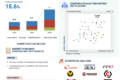
The global radioligand therapy market is estimated to be USD 3.15 billion in 2025 and reach USD 10.91 billion by 2035, with a CAGR of 13.2% during the forecast period.
What is Radioligand Therapy?
Radioligand therapy is a targeted cancer treatment that uses a radioactive isotope attached to a ligand molecule. The ligand specifically binds to receptors or proteins present on cancer cells, delivering radiation directly to the tumor site.
Unlike traditional radiation therapy that affects both cancerous and healthy tissues, radioligand therapy precisely targets malignant cells, improving treatment efficacy and reducing systemic side effects.
This therapy is widely used in treating:
- Prostate cancer
- Neuroendocrine tumors
- Metastatic cancers
- Advanced-stage cancers resistant to standard therapies
How Radioligand Therapy Works
Radioligand therapy follows a highly targeted mechanism:
- Identification of Tumor-Specific Targets
Cancer cells express specific receptors or antigens. - Ligand Binding
Specialized ligands are designed to bind selectively to these tumor markers. - Radioactive Payload Delivery
Radioisotopes attached to the ligand emit radiation once inside the tumor. - Cancer Cell Destruction
Radiation damages cancer cell DNA, leading to cell death while sparing nearby healthy tissue.
This precision-based approach has significantly improved outcomes in several oncology applications.
Key Components of Radioligand Therapy
1. Radioisotopes
Commonly used isotopes include:
- Lutetium-177 (Lu-177)
- Actinium-225
- Iodine-131
- Yttrium-90
2. Targeting Ligands
Ligands are molecules engineered to recognize tumor-specific receptors.
3. Diagnostic Imaging
Imaging technologies such as PET and SPECT scans help identify suitable patients and monitor treatment response.
Major Applications of Radioligand Therapy
Prostate Cancer Treatment
Radioligand therapy has shown remarkable success in metastatic castration-resistant prostate cancer (mCRPC). Prostate-specific membrane antigen (PSMA)-targeted therapies are among the most rapidly expanding areas in oncology.
Neuroendocrine Tumors (NETs)
Peptide receptor radionuclide therapy (PRRT) is commonly used for treating neuroendocrine tumors by targeting somatostatin receptors.
Emerging Oncology Applications
Researchers are exploring radioligand therapy for:
- Breast cancer
- Lung cancer
- Brain tumors
- Pancreatic cancer
- Ovarian cancer
Benefits of Radioligand Therapy
Precision Targeting
The therapy selectively attacks cancer cells with minimal impact on healthy tissues.
Reduced Side Effects
Compared to conventional chemotherapy, patients often experience fewer systemic complications.
Improved Patient Outcomes
Radioligand therapy has demonstrated improved progression-free survival and quality of life in several cancer indications.
Personalized Treatment Approach
Theranostic platforms enable tailored treatment based on individual tumor biology.
Challenges in the Radioligand Therapy Market
Despite its growing adoption, several challenges remain:
- Limited availability of radioisotopes
- High treatment costs
- Complex manufacturing and supply chain requirements
- Regulatory hurdles
- Need for specialized healthcare infrastructure
Addressing these issues is essential for expanding patient access globally.
Emerging Trends in Radioligand Therapy
Growing Adoption of Theranostics
Theranostics combines diagnostics and therapeutics to create personalized treatment strategies. This trend is significantly boosting radioligand therapy adoption.
Increasing Clinical Trials
Pharmaceutical and biotechnology companies are investing heavily in clinical research to expand indications for radioligand therapies.
Advancements in Alpha-Emitter Therapies
Alpha-emitting isotopes such as Actinium-225 are attracting attention due to their high tumor-killing efficiency and reduced collateral damage.
Strategic Collaborations
Partnerships between biotech firms, hospitals, and research institutes are accelerating innovation in the radiopharmaceutical industry.
Future Outlook of the Radioligand Therapy Market
The future of radioligand therapy appears highly promising. Rising cancer prevalence, advancements in precision medicine, and increasing demand for targeted therapeutics are expected to drive substantial market growth over the coming years.
Healthcare systems worldwide are increasingly integrating radioligand therapy into oncology treatment protocols, creating opportunities for pharmaceutical manufacturers, imaging providers, and nuclear medicine facilities.
As research continues, radioligand therapy could become a mainstream treatment option for multiple cancer types, revolutionizing the future of oncology care.
Conclusion
Radioligand therapy represents a major advancement in targeted cancer treatment. By combining molecular targeting with radioactive isotopes, this innovative therapy delivers precision treatment with improved efficacy and reduced side effects.
The growing focus on personalized medicine, theranostics, and advanced radiopharmaceuticals is expected to accelerate the adoption of radioligand therapy globally. With ongoing clinical innovations and expanding oncology applications, radioligand therapy is poised to transform the landscape of modern cancer treatment.
FAQs on Radioligand Therapy
1. What is radioligand therapy used for?
Radioligand therapy is primarily used to treat cancers such as prostate cancer and neuroendocrine tumors by delivering targeted radiation directly to cancer cells.
2. Is radioligand therapy safe?
Yes, radioligand therapy is generally considered safe when administered by trained specialists. It offers targeted treatment with fewer side effects compared to conventional therapies.
3. What are the advantages of radioligand therapy?
Key advantages include precision targeting, reduced damage to healthy tissues, personalized treatment, and improved patient outcomes.
4. Which cancers can be treated with radioligand therapy?
It is commonly used for prostate cancer and neuroendocrine tumors, while research is ongoing for breast, lung, pancreatic, and brain cancers.
5. What isotopes are commonly used in radioligand therapy?
Common isotopes include Lutetium-177, Actinium-225, Iodine-131, and Yttrium-90.
6. What is the future of the radioligand therapy market?
The market is expected to grow rapidly due to increasing cancer prevalence, technological advancements, and expanding applications in precision oncology.
7. How does radioligand therapy differ from chemotherapy?
Chemotherapy affects both healthy and cancerous cells, while radioligand therapy specifically targets cancer cells, reducing systemic toxicity.
8. What is theranostics in radioligand therapy?
Theranostics combines diagnostic imaging and targeted therapy to personalize cancer treatment and improve treatment outcomes.