Modern military operations are becoming increasingly dependent on intelligent logistics ecosystems capable of supporting highly dynamic, multi-domain warfare environments. As defense organizations face growing operational complexity, global supply chain disruptions, and rising demands for rapid force mobility, artificial intelligence is emerging as a transformative force in military sustainment operations. AI-enabled sustainment systems are reshaping how armed forces manage maintenance, transportation, inventory, battlefield resupply, predictive analytics, and operational readiness across land, air, sea, space, and cyber domains.
Defense agencies including the United States Department of Defense, North Atlantic Treaty Organization, Indian Armed Forces, and People’s Liberation Army are increasingly investing in AI-driven logistics modernization programs to improve mission effectiveness and reduce sustainment vulnerabilities. These intelligent systems are enabling military organizations to transition from reactive logistics models toward predictive, autonomous, and data-centric sustainment frameworks.
Download Free Sample of Report: https://www.marketsandmarkets.com/pdfdownloadNew.asp?id=155479010
Growing Complexity of Modern Military Logistics
The modern battlefield has evolved into a highly interconnected operational environment where military success depends heavily on the ability to sustain distributed forces in real time. Contemporary military operations involve massive volumes of equipment, vehicles, ammunition, fuel, spare parts, medical supplies, and communication systems that must be delivered efficiently across geographically dispersed theaters.
Traditional logistics systems often struggle to manage the speed and complexity required for modern combat scenarios. Delays in maintenance, inaccurate inventory forecasting, and supply chain inefficiencies can directly impact operational readiness and mission success. AI-enabled sustainment technologies address these challenges by leveraging machine learning, big data analytics, and automation to optimize logistics planning and execution.
Artificial intelligence can rapidly process enormous amounts of operational data collected from sensors, satellites, vehicles, warehouses, and battlefield networks. This enables commanders to gain real-time visibility into logistics conditions, predict equipment failures, and make faster supply chain decisions under rapidly changing operational circumstances.
Predictive Maintenance Enhancing Military Readiness
One of the most significant applications of AI in military sustainment is predictive maintenance. Military platforms such as fighter aircraft, armored vehicles, naval vessels, and unmanned systems require continuous maintenance to remain mission-ready. Traditional scheduled maintenance approaches often lead to unnecessary downtime or unexpected equipment failures.
AI-enabled predictive maintenance systems analyze sensor data, vibration patterns, engine performance metrics, and historical maintenance records to identify potential failures before they occur. This allows maintenance teams to repair components proactively rather than waiting for breakdowns during operations.
For example, advanced military aircraft equipped with AI-powered health monitoring systems can continuously assess engine conditions, hydraulic systems, avionics performance, and structural integrity during flight operations. These systems significantly improve fleet availability while reducing lifecycle maintenance costs.
Predictive maintenance is particularly important for high-value military assets where operational downtime can compromise strategic objectives. By reducing unscheduled repairs and optimizing spare parts inventory, AI-driven sustainment improves overall force readiness and operational resilience.
Autonomous Supply Chain and Battlefield Resupply
Autonomous logistics technologies are becoming increasingly important as military forces operate in contested and high-risk environments. AI-enabled sustainment systems support autonomous supply chain management by optimizing transportation routes, monitoring inventory movement, and coordinating resupply operations with minimal human intervention.
Machine learning algorithms can analyze weather conditions, threat intelligence, terrain data, and transportation availability to determine the safest and most efficient supply routes. This capability is especially valuable in combat environments where logistics convoys face threats from enemy attacks, electronic warfare, and infrastructure disruption.
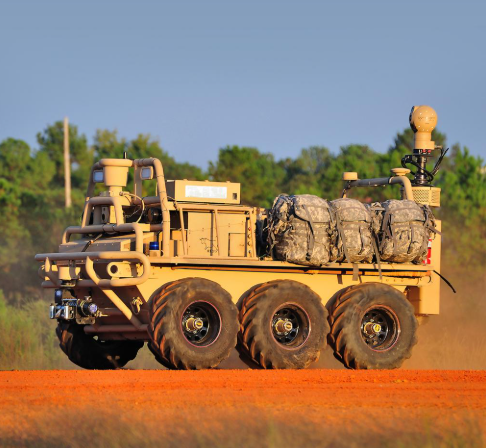
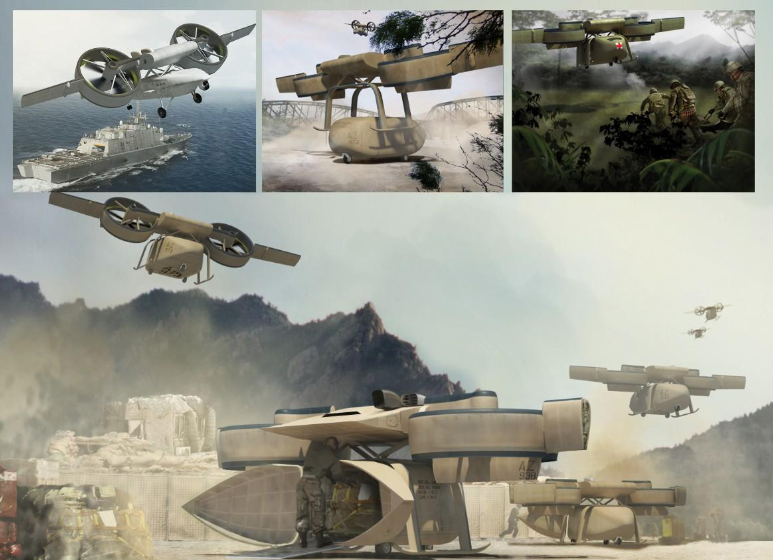
Autonomous ground vehicles, cargo drones, and robotic resupply systems are also transforming battlefield sustainment operations. These systems reduce risks to personnel while enabling rapid delivery of ammunition, fuel, medical supplies, and spare parts directly to frontline units.
Military organizations are increasingly experimenting with AI-enabled swarm logistics concepts in which multiple autonomous systems coordinate resupply missions collaboratively. These intelligent logistics networks improve operational flexibility while supporting highly mobile combat operations.
Data-Driven Decision Making in Defense Logistics
Modern military sustainment increasingly depends on data-driven operational intelligence. AI platforms can integrate information from multiple logistics systems to provide commanders with a comprehensive understanding of supply chain performance, inventory status, transportation capacity, and mission readiness.
Advanced analytics platforms enable defense planners to forecast future logistics requirements based on operational tempo, mission objectives, equipment usage rates, and geopolitical conditions. These predictive capabilities improve procurement planning and reduce supply shortages during critical operations.
Digital twins are also becoming a major component of AI-enabled military sustainment ecosystems. By creating virtual models of supply networks, warehouses, transportation systems, and military assets, defense organizations can simulate operational scenarios and identify vulnerabilities before deployment.
The integration of cloud computing, edge computing, and secure military communication networks further enhances the effectiveness of AI logistics systems. Real-time data synchronization enables faster coordination between operational commands, logistics hubs, and deployed units.
Cybersecurity and Resilient Sustainment Networks
As military logistics systems become increasingly digitalized, cybersecurity has emerged as a critical priority. AI-enabled sustainment platforms must be capable of operating securely in contested cyber environments where adversaries may attempt to disrupt communications, manipulate logistics data, or target supply chain infrastructure.
Artificial intelligence is playing an important role in identifying cyber threats, detecting anomalies, and strengthening logistics network resilience. AI-powered cybersecurity systems can monitor network traffic patterns, identify suspicious activities, and respond to potential intrusions faster than conventional defense mechanisms.
Resilient sustainment architectures are especially important for future multi-domain operations where logistics systems must continue functioning despite electronic warfare attacks, satellite disruptions, or degraded communications environments. AI-enabled adaptive routing and decentralized supply management systems are helping military organizations build more survivable logistics infrastructures.
Human-Machine Collaboration in Military Sustainment
Despite growing automation, human expertise remains essential in defense logistics operations. AI-enabled sustainment systems are designed to augment human decision-making rather than fully replace logistics personnel. Military commanders, analysts, and sustainment officers continue to play critical roles in strategic planning, operational oversight, and mission coordination.
Human-machine teaming allows AI systems to handle repetitive data analysis and forecasting tasks while enabling personnel to focus on higher-level operational decision-making. This collaborative approach improves efficiency while maintaining human accountability in mission-critical environments.
Training and workforce development are becoming increasingly important as defense organizations integrate AI technologies into sustainment operations. Military personnel must develop expertise in data analytics, autonomous systems management, and digital logistics coordination to effectively operate within future sustainment ecosystems.
Inquire Before Buying: https://www.marketsandmarkets.com/Market-Reports/military-vehicle-sustainment-market-155479010.html
Future Outlook for AI-Enabled Military Sustainment
The future of military logistics will be defined by intelligent, interconnected, and highly autonomous sustainment networks capable of supporting fast-paced global operations. AI-enabled sustainment systems are expected to become central components of next-generation defense strategies as militaries prepare for increasingly complex security environments.
Emerging technologies such as quantum computing, advanced robotics, 5G communications, edge AI, and autonomous mobility platforms will further accelerate the evolution of defense logistics capabilities. These technologies will enable faster decision-making, greater operational agility, and improved sustainment efficiency across joint force operations.
As geopolitical competition intensifies and military operations become more technologically sophisticated, AI-driven sustainment will play a critical role in maintaining strategic readiness, operational endurance, and mission success. Defense organizations that successfully integrate artificial intelligence into logistics and sustainment operations will gain significant advantages in future warfare environments where speed, adaptability, and resilience are essential.
