The United Kingdom protein A resin market is a specialized and expanding segment of the broader biopharmaceutical industry, primarily centered on the purification of monoclonal antibodies and other therapeutic proteins. The market is characterized by a strong emphasis on research and development, driven by a robust pipeline of biologics and the presence of world-leading academic and clinical research institutions. Key trends include an increasing shift toward recombinant protein A resins due to their superior consistency and the growing adoption of agarose-based matrices for high-affinity chromatography. Furthermore, the industry is increasingly focused on enhancing manufacturing efficiency through the use of alkali-stable ligands and single-use technologies to meet stringent regulatory standards and improve production economics.
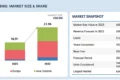
The UK Protein A Resin Market was valued at USD XX billion in 2026, and is projected to reach USD XX billion by 2030, rising at a CAGR of XX%
Global protein A resin market valued at $1.4B in 2024, $1.5B in 2025, and set to hit $2.0B by 2030, growing at 6.5% CAGR
Download PDF Brochure: https://www.marketsandmarkets.com/pdfdownloadNew.asp?id=19196962
Driver
The UK protein A resin market is primarily driven by the exponential growth of the biopharmaceutical sector and the rising demand for monoclonal antibodies (mAbs). As a global leader in life sciences, the UK has seen a significant surge in R\&D investments aimed at developing targeted therapies for chronic conditions such as cancer, autoimmune disorders, and infectious diseases. Protein A resin remains the “gold standard” in downstream processing due to its high affinity and specificity for capturing antibodies, making it indispensable for large-scale commercial manufacturing. The expansion of domestic biomanufacturing capacities, supported by government initiatives to strengthen the UK’s position as a post-Brexit science superpower, further accelerates the consumption of these resins. Additionally, the increasing focus on personalized medicine and the rapid development of biosimilars are pushing manufacturers to adopt high-performance chromatography tools. Technological advancements, such as the introduction of alkali-stable recombinant protein A ligands, have also improved purification efficiency and resin longevity, allowing for more cost-effective production cycles. This combination of a robust drug pipeline, supportive regulatory frameworks, and continuous innovation in purification technologies ensures a steady upward trajectory for the market.
Restraint
A major restraint for the UK protein A resin market is the exceptionally high cost associated with these specialized chromatography media. Protein A resins are significantly more expensive than alternative ion-exchange or mixed-mode resins, posing a substantial financial burden on biopharmaceutical companies, particularly smaller biotech firms and academic research laboratories. These high capital requirements for initial resin procurement can deter smaller players from entering the market or limit the scale of their research activities. Furthermore, despite advancements in ligand engineering, these resins still face limitations regarding binding capacity and chemical stability over repeated cycles. Exposure to harsh cleaning agents can lead to ligand leaching or degradation, which necessitates frequent and costly resin replacement to maintain stringent Good Manufacturing Practice (GMP) standards. Economic uncertainties and inflationary pressures in the UK also impact the broader healthcare budget, potentially slowing down the adoption of premium-priced purification technologies. Additionally, the complexity of the manufacturing process for the resins themselves and potential supply chain vulnerabilities for raw materials can lead to lead-time delays and price volatility, further hindering market expansion and consistent procurement strategies across the domestic industry.
Opportunity
The UK protein A resin market presents significant opportunities through the adoption of continuous bioprocessing and single-use technologies. As the industry shifts away from traditional batch manufacturing to more efficient, automated continuous chromatography systems, there is a growing need for specialized resins that can handle high flow rates and rapid cycling. This transition allows for smaller equipment footprints and reduced processing times, offering a clear path for UK-based CDMOs to enhance their competitive edge. Another major opportunity lies in the burgeoning field of regenerative medicine and the development of complex antibody formats, such as bispecific and multi-specific antibodies. These novel therapeutics require highly customized purification solutions, opening doors for resin manufacturers to innovate tailored ligands with enhanced selectivity. Furthermore, the UK’s strong academic and clinical research infrastructure provides a fertile ground for collaborations between industry players and universities to develop the next generation of bio-based or synthetic affinity ligands. There is also an increasing focus on sustainability within the laboratory environment; therefore, the development of eco-friendly, bio-sourced, or highly reusable resins aligns with the UK’s broader environmental goals, presenting a strategic advantage for companies that can offer greener purification alternatives.
Challenges
Navigating the complex and evolving regulatory landscape is a primary challenge for participants in the UK protein A resin market. Ensuring that purification processes meet the rigorous safety and efficacy standards set by the MHRA and international bodies like the EMA and FDA requires extensive validation and documentation, which can be both time-consuming and expensive. Maintaining batch-to-batch consistency and preventing ligand leakage into the final drug product are critical technical hurdles that manufacturers must constantly address to avoid regulatory setbacks or product recalls. Competition within the market is also intensifying, as established global players and emerging low-cost manufacturers vie for market share, often leading to aggressive pricing strategies that can squeeze profit margins. Additionally, the UK faces a challenge in the recruitment and retention of highly skilled bioprocessing engineers and chromatography specialists who are essential for optimizing downstream operations. The rapid pace of technological change means that existing infrastructure can quickly become obsolete, forcing companies to engage in continuous reinvestment. Finally, managing the transition from natural to recombinant protein A sources while ensuring complete transparency in the supply chain remains a constant operational pressure for independent labs and large-scale biomanufacturers alike.
Download PDF Brochure: https://www.marketsandmarkets.com/pdfdownloadNew.asp?id=19196962