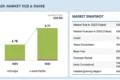
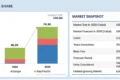
The United Kingdom medical humidifier market is a critical and growing sector within the broader respiratory care landscape, driven by substantial healthcare expenditures and a focus on upgrading critical care infrastructure. The market is shaped by a high prevalence of chronic respiratory conditions such as COPD and sleep apnea, alongside an aging population that increasingly requires mechanical ventilation and long-term respiratory support. Innovation is a key characteristic of the landscape, with major players integrating smart technologies, such as IoT-enabled monitoring and automated humidity controls, to enhance patient comfort and clinical outcomes. While hospitals and clinics remain the dominant end users due to the standard use of heated humidifiers in ICUs and NICUs, there is a significant shift toward home healthcare settings. This decentralization is supported by virtual ward strategies and the adoption of non-invasive therapies, allowing for remote monitoring and improved patient adherence. Overall, the market is poised for steady expansion as the UK healthcare system prioritizes advanced diagnostic and therapeutic solutions to manage increasing patient volumes and improve recovery times.
Key Drivers, Restraints, Opportunities, and Challenges in the United Kingdom Medical Humidifier Market
The United Kingdom medical humidifier market is primarily driven by an aging population more susceptible to respiratory issues, a rising prevalence of chronic conditions such as COPD and asthma, and increased healthcare spending following the COVID-19 pandemic. Technological advancements, such as the integration of smart features and AI-driven monitoring, offer significant growth opportunities, alongside the potential for regulatory innovation following the UK’s transition to the UKCA marking system. However, the market faces restraints like high operational costs and maintenance fatigue associated with the frequent replacement of disposable components such as water chambers and filters. Key challenges include maintaining strict hygiene standards to prevent infections like ventilator-associated pneumonia and Legionella, navigating a complex and evolving post-Brexit regulatory landscape, and managing clinical staff shortages that can impact the effective use and maintenance of respiratory care equipment.
Customer Segmentation, Needs, Preferences, and Buying Behavior in the United Kingdom Medical Humidifier Market
The target customers for the United Kingdom medical humidifier market primarily include hospitals and clinics, which hold the largest revenue share, as well as a rapidly growing home healthcare segment driven by virtual ward strategies and an aging population. Institutional buyers such as the NHS and private healthcare providers prioritize advanced respiratory support systems for ICUs and NICUs to manage conditions like COPD and neonatal respiratory distress, seeking equipment that ensures patient comfort and prevents mucosal damage. In the residential and home care segments, customers prefer portable and ultrasonic humidifiers for their quiet performance, ease of operation, and compact designs suitable for modern UK home layouts. Purchasing behavior is increasingly influenced by the need for long-term oxygen therapy and non-invasive ventilation at home, with a growing emphasis on smart features like automatic humidity sensing and app connectivity to manage indoor air quality and respiratory health.
Regulatory, Technological, and Economic Factors Impacting the United Kingdom Medical Humidifier Market
The United Kingdom medical humidifier market is significantly influenced by a complex interplay of regulatory, technological, and economic factors. Regulatory compliance is a primary hurdle, as products must adhere to stringent standards and guidelines that ensure safety and efficacy, increasing entry costs but enhancing credibility for established players. Technologically, the integration of smart features, such as app connectivity and automated real-time monitoring, is driving market expansion and shifting preferences toward advanced ultrasonic and heated humidifier systems. Economically, while the rising prevalence of respiratory conditions like COPD and an aging population sustain high demand, the market faces restraints from high initial capital investments and maintenance costs. Furthermore, high-income healthcare budgets in the UK support substantial funds for critical care infrastructure, yet price sensitivity and budget pressures within the healthcare system can challenge long-term profitability and limit the adoption of premium equipment in smaller facilities.
Current and Emerging Trends in the United Kingdom Medical Humidifier Market
The United Kingdom medical humidifier market is undergoing a rapid evolution characterized by the integration of smart technologies and a significant shift toward decentralized care through home healthcare settings. These trends are moving quickly, with home health settings in the broader respiratory segment growing at 10.40% annually as virtual ward strategies gain traction. Emerging innovations such as cloud-connected diagnostic tools and IoT-enabled smart humidifiers are gaining momentum, allowing for real-time monitoring and remote adjustments to improve adherence and patient outcomes. Furthermore, there is a strong shift toward single-use disposables, with an 8.80% CAGR driven by stringent hospital infection-control protocols. While hospitals remain the largest end-user segment, the acceleration of point-of-care and home-based respiratory therapies is reshaping the market to meet the needs of an aging population and the rising prevalence of chronic conditions like COPD and sleep apnea.
Technological Innovations and Disruption Potential in the United Kingdom Medical Humidifier Market
Technological innovations such as smart connectivity, IoT integration, and artificial intelligence are gaining significant traction and are poised to disrupt the United Kingdom medical humidifier market by enabling real-time monitoring and remote patient management. The emergence of smart humidifiers equipped with Wi-Fi, mobile app connectivity, and automated humidity regulation is enhancing user experience and clinical outcomes by providing precise control over moisture levels. Furthermore, the integration of advanced features like ultrasonic high-frequency vibrations for fine mist production, antimicrobial self-cleaning technologies, and battery-efficient micro-compressors is shifting the industry toward more portable, energy-efficient, and hygienic solutions. These advancements, along with the development of telehealth-integrated platforms that allow clinicians to adjust therapy remotely, are decentralizing respiratory care and accelerating the adoption of sophisticated humidification systems in both hospital and homecare settings.
Short-Term vs. Long-Term Trends in the United Kingdom Medical Humidifier Market
In the United Kingdom medical humidifier market, the recent surge in demand driven by emergency COVID-19 pandemic protocols is increasingly viewed as a short-term phenomenon that has stabilized, whereas several other trends represent long-term structural shifts. The move toward home-based healthcare and the expansion of virtual wards, supported by the National Health Service’s push to reduce avoidable hospital admissions, represent a permanent transformation in respiratory care delivery. Similarly, the integration of smart, cloud-connected features and IoT technology into humidification systems is a fundamental shift aimed at enabling remote patient monitoring and improving clinical outcomes. Other enduring structural changes include the rising demand for neonatal and geriatric respiratory support, which are fueled by the long-term demographic realities of an aging population and advancements in survival rates for preterm infants.