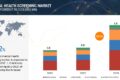
The global mental health screening market, valued at US$0.8 billion in 2022, stood at US$0.9 billion in 2023 and is projected to advance at a resilient CAGR of 12.2% from 2023 to 2029, culminating in a forecasted valuation of US$1.8 billion by the end of the period.
Key Growth Drivers
Several factors are expected to drive the growth of the mental health screening market in the coming years:
- Rising Prevalence of Mental Disorders: The increasing prevalence of mental disorders, such as depression, anxiety, and PTSD, is a primary driver of market growth. Early screening and detection are essential for effective treatment and management of these conditions.
- Technological Innovations: Advancements in digital mental health technologies, including mobile apps, telehealth platforms, and AI-powered screening tools, are making screening more accessible, convenient, and cost-effective.
- Integration with Healthcare Systems: The integration of mental health screening into primary care and other healthcare settings is expanding the reach of screening programs and facilitating early intervention.
- Government and NGO Initiatives: Government and non-governmental organizations (NGOs) are increasingly investing in mental health screening programs and initiatives, driving market growth through increased funding and awareness campaigns.
- Growing Awareness and Acceptance: Increased public awareness and acceptance of mental health issues are reducing stigma and encouraging more individuals to seek screening and treatment.
- Focus on Preventive Care: A growing emphasis on preventive healthcare is driving demand for mental health screening as a proactive measure to identify and address mental health issues before they escalate.
Market Challenges
Despite the positive growth outlook, the mental health screening market faces several challenges that could potentially hinder its expansion:
- Stigma and Discrimination: Stigma associated with mental illness remains a significant barrier to screening and treatment. Overcoming this stigma requires ongoing education and awareness efforts.
- Lack of Access: Limited access to mental health services, particularly in rural and underserved areas, can restrict the reach of screening programs.
- Data Privacy and Security: Concerns about data privacy and security can deter individuals from participating in digital mental health screening programs.
- Reimbursement Issues: Inadequate reimbursement for mental health screening services can limit the adoption of screening programs by healthcare providers.
Shortage of Mental Health Professionals: A shortage of qualified mental health professionals can strain the capacity of screening programs and limit access to follow-up care.
Regional Analysis
The global mental health screening market can be segmented by region, including North America, Europe, Asia-Pacific, Latin America, and the Middle East & Africa. Each region has unique market dynamics and growth drivers:
- North America: North America is expected to be a major market for mental health screening, driven by high healthcare expenditure, advanced technology infrastructure, and increasing awareness of mental health issues.
- Europe: Europe is also a significant market, with a focus on integrating mental health screening into primary care and implementing national mental health programs.
- Asia-Pacific: The Asia-Pacific region is expected to experience rapid growth, driven by increasing healthcare investments, rising awareness of mental health, and growing adoption of digital mental health solutions.
Conclusion
The global mental health screening market is poised for significant growth in the coming years, driven by increasing awareness, technological advancements, and government initiatives. The projected CAGR of 12.2% from 2023 to 2029 underscores the market’s potential, with a forecasted valuation of US$1.8 billion by the end of the period. While challenges such as stigma and access limitations remain, the overall outlook for the mental health screening market is positive, reflecting the growing recognition of the importance of early detection and intervention in addressing mental health issues.