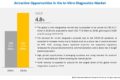
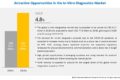
The US In Vitro Diagnostics (IVD) market continues to demonstrate strong and resilient growth, driven by technological innovation, increasing disease burden, and a shift toward personalized healthcare. Valued at USD 37.43 billion in 2025, the market reached USD 40.15 billion in 2026 and is projected to expand at a CAGR of 7.3% from 2025 to 2031, ultimately reaching USD 57.18 billion by the end of the forecast period.
This growth trajectory reflects the critical role of IVD solutions in clinical decision-making, early disease detection, and treatment monitoring. For B2B stakeholders—including manufacturers, healthcare providers, distributors, and investors—the US IVD market offers substantial opportunities across product innovation, diagnostics integration, and decentralized testing models.
Market Overview and Growth Drivers
The US remains the largest and most technologically advanced IVD market globally. Key factors fueling expansion include:
- Rising prevalence of chronic diseases such as diabetes, cardiovascular disorders, and infectious diseases
- Increasing adoption of point-of-care (POC) and home-based diagnostics
- Advancements in automation, AI-driven diagnostics, and molecular testing
- Strong regulatory framework supporting innovation and quality assurance
Additionally, the shift toward value-based healthcare is pushing providers to adopt cost-effective and rapid diagnostic solutions, further accelerating market demand.
Product & Service Segmentation
Kits
Diagnostic kits represent a significant share of the market due to their recurring demand and wide application across laboratories and point-of-care settings. These include reagents, assay kits, and consumables used in routine testing. The growing demand for rapid and accurate testing—especially in infectious diseases and chronic condition monitoring—continues to drive this segment.
Instruments
IVD instruments include analyzers and automated systems used in laboratories and hospitals. These systems are increasingly integrated with digital platforms, enabling high-throughput testing, improved accuracy, and reduced turnaround time. Automation and connectivity are key trends, helping labs enhance efficiency and scalability.
Technology Landscape
Immunoassay
Immunoassays dominate the IVD market due to their versatility and high sensitivity. They are widely used for detecting hormones, proteins, and pathogens. Applications span endocrinology, infectious diseases, and oncology, making this technology a cornerstone of diagnostic testing.
Hematology
Hematology diagnostics focus on blood analysis, including complete blood counts (CBC) and coagulation testing. These tests are essential for diagnosing anemia, infections, and blood disorders. Automation in hematology analyzers is improving accuracy and throughput in clinical labs.
Glucose Monitoring
Glucose monitoring systems are critical in diabetes management. With the rising prevalence of diabetes in the US, continuous glucose monitoring (CGM) and self-monitoring devices are gaining traction. These technologies support real-time tracking and better disease management, particularly in homecare settings.
Specimen Type: Blood-Based Diagnostics
Blood remains the most commonly used specimen in IVD testing due to its rich diagnostic information. Blood-based tests are essential for detecting a wide range of conditions, including metabolic disorders, infections, and cardiovascular diseases. The reliability and accessibility of blood samples make them central to both centralized and decentralized testing models.
Site of Testing
Central Laboratories
Large diagnostic laboratories and hospital-based labs continue to handle high volumes of complex tests. These facilities benefit from advanced instrumentation and skilled personnel, enabling comprehensive diagnostic capabilities.
Point-of-Care (POC)
POC testing is one of the fastest-growing segments, allowing diagnostics to be performed near the patient—whether in clinics, pharmacies, or at home. This model reduces turnaround time and supports immediate clinical decisions, particularly in emergency and chronic care settings.
Homecare Settings
The rise of home diagnostics is transforming the IVD landscape. Devices for glucose monitoring, pregnancy testing, and infectious disease detection are increasingly used by patients themselves. This trend aligns with the broader shift toward patient-centric and decentralized healthcare.
Application Areas
Endocrinology
Diagnostics in endocrinology primarily focus on hormone-related disorders such as diabetes and thyroid conditions. The increasing prevalence of diabetes in the US is a major driver for this segment, with continuous demand for glucose monitoring and hormone assays.
Cardiology
Cardiac diagnostics are critical for early detection and management of cardiovascular diseases. Biomarker-based tests, such as troponin assays, are widely used in emergency settings to diagnose heart attacks and other cardiac conditions.
Infectious Diseases
The infectious disease segment has seen significant growth, especially following the COVID-19 pandemic. Rapid diagnostic tests, molecular assays, and immunoassays are widely used to detect pathogens and monitor outbreaks. Continued investment in this area is expected to support future pandemic preparedness.
Competitive and Strategic Outlook
The US IVD market is highly competitive, with a mix of global leaders and emerging players focusing on innovation, strategic partnerships, and portfolio expansion. Key trends shaping the competitive landscape include:
- Integration of AI and data analytics into diagnostic platforms
- Expansion of molecular and genetic testing capabilities
- Mergers and acquisitions to strengthen product portfolios
- Focus on regulatory compliance and quality standards
For B2B stakeholders, collaboration across the value chain—ranging from technology providers to healthcare institutions—will be essential to capture growth opportunities.
Conclusion
The US In Vitro Diagnostics market is on a steady growth path, supported by technological advancements, rising healthcare needs, and evolving care delivery models. With a projected value of USD 57.18 billion by 2031, the market presents significant opportunities for innovation, investment, and strategic expansion.
Businesses that prioritize automation, decentralized testing, and data-driven diagnostics will be best positioned to succeed in this dynamic and rapidly evolving landscape.