The global photovoltaics (PV) market has witnessed remarkable growth over the past decade, emerging as one of the most promising and transformative sectors in the renewable energy landscape. This growth is being driven by a confluence of economic, environmental, technological, and policy-related factors that are reshaping how energy is produced and consumed across the world. As concerns over climate change intensify and the push for cleaner energy solutions strengthens, photovoltaics has become a central pillar in the global transition to sustainable energy.
One of the primary drivers of the photovoltaics market is the growing global emphasis on reducing carbon emissions and mitigating climate change. Governments, corporations, and consumers alike are increasingly aware of the environmental impact of fossil fuels, which has led to a concerted push for cleaner and greener alternatives. Solar energy, harnessed through photovoltaic systems, provides a zero-emission power generation solution that aligns perfectly with climate goals and international agreements such as the Paris Accord. This environmental urgency has catalyzed a wave of policy support and financial incentives that favor solar energy adoption, further accelerating market growth.
Download PDF Brochure @ https://www.marketsandmarkets.com/pdfdownloadNew.asp?id=428
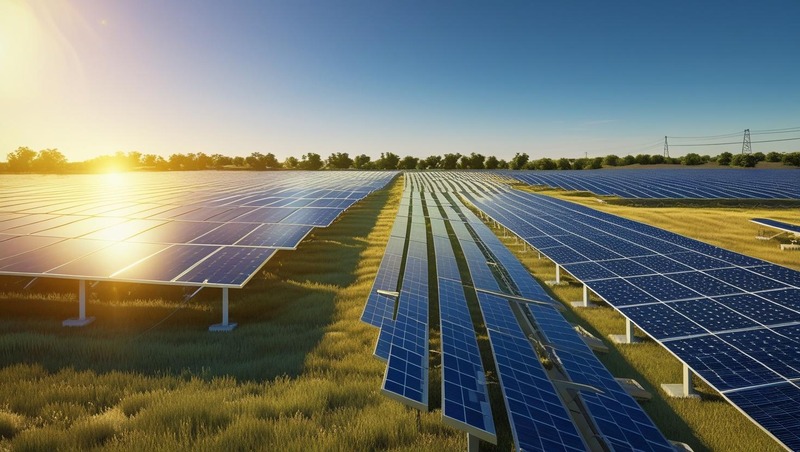
Government policies and regulatory frameworks play a crucial role in propelling the photovoltaics market forward. Many countries have introduced feed-in tariffs, tax credits, subsidies, and renewable energy targets to encourage the deployment of solar power systems. Programs like the U.S. Investment Tax Credit (ITC), Germany’s Renewable Energy Sources Act (EEG), and India’s National Solar Mission have significantly contributed to making solar energy more affordable and attractive for both residential and commercial users. These policy mechanisms lower the financial barriers associated with solar installations, making them viable even in developing markets.
Another important growth driver is the sharp decline in the cost of solar photovoltaic components, particularly solar panels. Over the past decade, the cost of solar modules has dropped dramatically due to improvements in manufacturing efficiency, economies of scale, and global competition among producers. This reduction in cost has significantly improved the return on investment for solar projects and has made solar energy competitive with, and in some cases cheaper than, traditional fossil fuel-based electricity generation. As prices continue to fall, the cost competitiveness of photovoltaics becomes increasingly compelling for consumers and utilities alike.
Technological advancements have also played a pivotal role in expanding the capabilities and adoption of photovoltaic systems. Innovations in solar cell technologies, such as passivated emitter rear contact (PERC), heterojunction (HJT), and bifacial modules, have increased energy conversion efficiency while reducing material and operational costs. Moreover, improvements in system components like inverters, trackers, and energy storage solutions have enhanced the performance and reliability of solar installations. These advancements are making photovoltaic systems more efficient, adaptable, and easier to integrate into various applications, including residential rooftops, utility-scale solar farms, and off-grid solutions.
The integration of photovoltaics with energy storage systems is further enhancing the market’s attractiveness. By combining solar panels with battery storage, users can store excess energy generated during the day for use at night or during periods of low sunlight. This development addresses one of the key limitations of solar power—its intermittency—and provides greater energy independence and reliability. As battery technologies such as lithium-ion continue to improve and decrease in cost, the combined solution of solar-plus-storage is expected to gain significant traction across residential, commercial, and industrial sectors.
In addition to these drivers, growing electricity demand in emerging economies is creating new opportunities for the photovoltaics market. As countries in Asia, Africa, and Latin America undergo rapid urbanization and industrialization, the demand for electricity is soaring. Many of these regions have abundant solar resources and insufficient grid infrastructure, making solar power an ideal solution to meet growing energy needs sustainably and affordably. Off-grid and mini-grid photovoltaic systems are particularly valuable in remote or underserved areas, providing communities with access to reliable electricity and enabling socio-economic development.
Corporate sustainability initiatives are also contributing to the rise in photovoltaic installations. More companies are committing to achieving carbon neutrality and are investing in renewable energy sources to power their operations. Corporate Power Purchase Agreements (PPAs) and on-site solar installations have become popular mechanisms for businesses to reduce energy costs and carbon footprints. This growing corporate demand is not only boosting photovoltaic deployment but is also encouraging innovation and investment within the industry.
Frequently Asked Questions (FAQs) on the Photovoltaics Market
1. What is the photovoltaics market?
The photovoltaics (PV) market refers to the global industry involved in the development, production, and deployment of solar power systems that convert sunlight directly into electricity using semiconductor-based solar cells. This market encompasses solar modules, inverters, mounting structures, and other associated technologies used in residential, commercial, and utility-scale applications.
2. What are the major segments in the photovoltaics market?
The photovoltaics market is typically segmented by technology (monocrystalline silicon, polycrystalline silicon, thin-film), application (residential, commercial, industrial, utility-scale), and region (North America, Europe, Asia Pacific, and the rest of the world), with Asia Pacific currently leading due to strong adoption in China and India.
3. What are the latest trends in the photovoltaics industry?
Key trends in the photovoltaics industry include the rise of bifacial and PERC solar cells, integration of AI for predictive maintenance and performance optimization, solar-plus-storage solutions, floating solar farms, and growing interest in building-integrated photovoltaics (BIPV) for urban infrastructure.
4. How is artificial intelligence (AI) impacting the photovoltaics market?
AI is transforming the photovoltaics market by enabling smart grid integration, optimizing solar panel placement and performance through data analytics, enhancing predictive maintenance, and improving energy yield forecasting, thereby increasing the overall efficiency and cost-effectiveness of solar power systems.
See The Latest Semiconductor Reports:
Smart Irrigation Market by System Type (Weather-based, Sensor-based), Controllers, Sensors (Soil Moisture Sensors, Temperature Sensors, Rain/Freeze Sensors, Fertigation Sensors), Water Flow Meters, Greenhouses, Open Fields – Global Forecast to 2030
Edge AI Hardware Market by Device, Processor (CPU, GPU, and ASIC), Function, Power Consumption (Less than 1 W, 1-3 W, >3-5 W, >5-10 W, and More than 10 W), Vertical and Region – Global Forecast to 2030
