The photovoltaic (PV) technology market is set to experience robust expansion through 2030 as global decarbonization efforts, falling system costs, and increasing electrification drive demand for solar power across utility, commercial, and residential segments. Over the next several years, the market will be shaped by technological innovation, policy incentives, integration with storage and grid modernization, and growing investments from both public and private sectors. These forces will together determine market size, shift share among technology variants, and influence regional and end-use adoption patterns.
Download PDF Brochure @ https://www.marketsandmarkets.com/pdfdownloadNew.asp?id=428
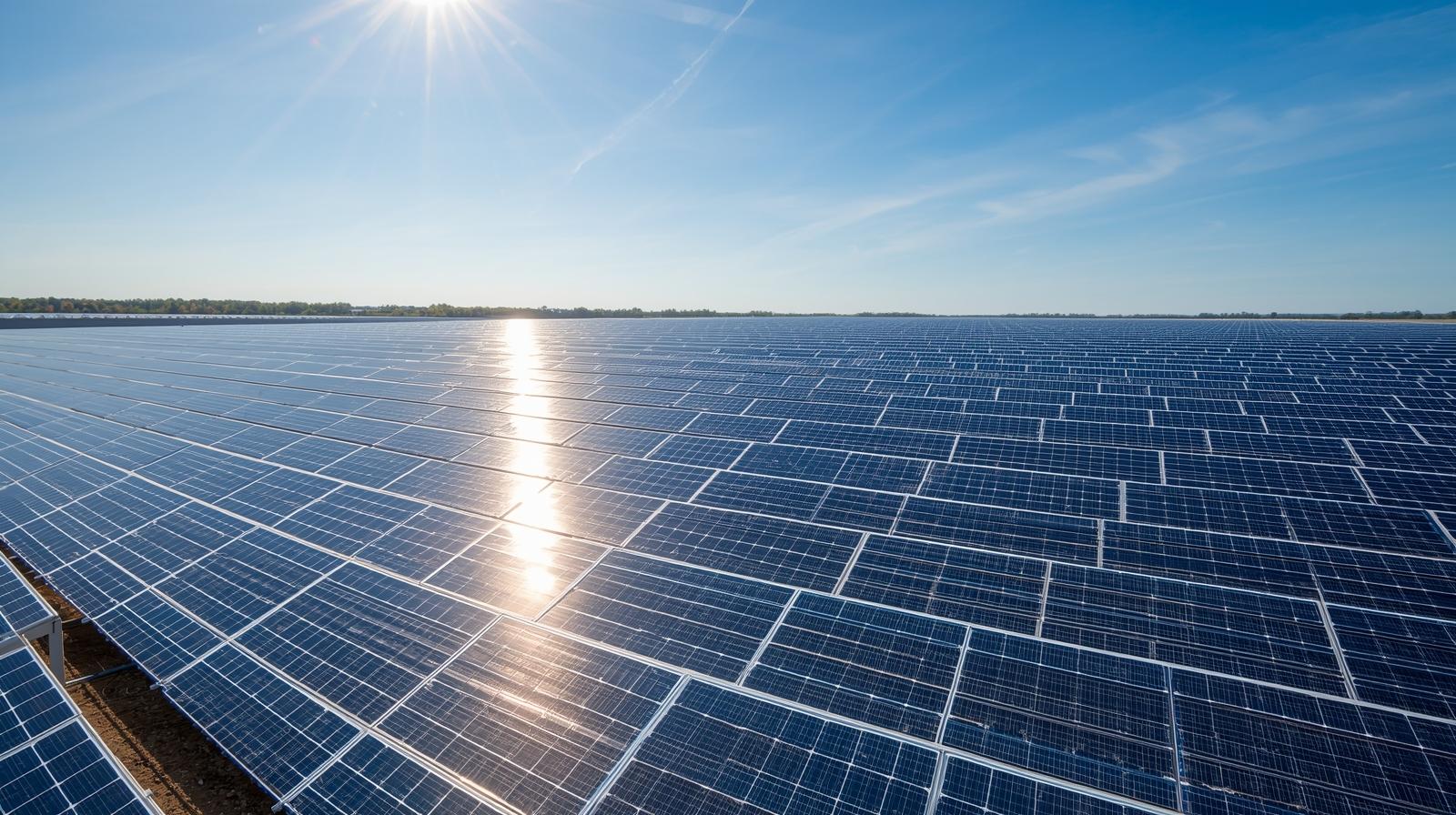
Market size growth will be propelled primarily by large-scale utility projects and distributed generation installations. Utilities continue to turn to solar for new capacity additions because of predictable operational costs and rapidly improving levelized costs of electricity. At the same time, rooftop and community solar models are expanding in urban and suburban markets, supported by corporate sustainability targets and consumer demand for energy independence. By 2030, cumulative installed PV capacity will be considerably higher than today’s levels, and annual installations are expected to remain elevated as grid parity is reached or approached in increasingly broader geographies.
Market share within PV technology is evolving as newer cell architectures and module formats compete with mature crystalline silicon offerings. Monocrystalline silicon currently dominates on performance grounds, but bifacial modules, half-cut cells, and advanced passivation techniques have carved out meaningful share by improving energy yield per area. Emerging technologies such as perovskite tandem cells and various thin-film solutions are progressing up the maturity curve; while they may not replace silicon at scale by 2030, they are likely to capture niche and growing shares where lightweight, flexible, or higher-absorption characteristics provide unique advantages. The balance of share will therefore reflect a mix of cost, efficiency, durability, and application-specific requirements.
Geographically, Asia-Pacific will continue to account for a large portion of market size due to concentrated manufacturing capacity, aggressive deployment targets, and strong domestic policy support in several countries. China is expected to remain a central hub for module production and domestic deployments, while India, Southeast Asia, and Australia present fast-growing markets for both utility and distributed systems. Europe will sustain steady demand driven by ambitious climate commitments and repowering of older installations with higher-efficiency systems, and North America will see growth shaped by federal and state incentives, corporate procurement, and expanding storage-paired solar. Emerging markets in Africa and Latin America offer significant upside for electrification and off-grid solutions, and developments in these regions could materially contribute to market expansion if financing and regulatory frameworks improve.
Integration with energy storage and digital energy management will be a decisive factor influencing the market forecast through 2030. As storage costs continue to fall and battery performance improves, pairing PV with energy storage will enhance dispatchability and increase the value of solar-generated electricity. This trend not only supports higher penetration but also opens new revenue streams such as ancillary services, demand charge management for commercial customers, and virtual power plant aggregation. Smart inverters, grid-edge controls, and distributed energy resource management systems will thus become essential complements to PV installations, increasing overall system costs but unlocking higher system-level returns.
Supply chain dynamics, manufacturing scale, and commodity prices will remain key determinants of market size and profitability. Recent years have seen supply bottlenecks, shipping constraints, and fluctuations in raw material costs impact module prices and project timelines. Through 2030, industry players that achieve vertical integration, diversify supply chains, and invest in automation are likely to secure better margins and market share. Additionally, sustainability across the value chain—including responsible sourcing, longer panel lifetimes, and effective recycling—will grow in importance for regulators, investors, and corporate buyers.
Policy and financing environments will continue to shape the trajectory of photovoltaic deployments. Stable and transparent incentive regimes, streamlined permitting, and innovative financing models such as green bonds, yieldcos, and pay-as-you-go for off-grid systems will accelerate adoption. Conversely, policy uncertainty, trade barriers, or abrupt incentive rollbacks could slow momentum in specific markets. The industry’s ability to present compelling economic, environmental, and social cases for solar projects will be central to sustaining investment flows.
Challenges such as land use constraints for large PV farms, integration into aging grid infrastructure, and end-of-life management of modules will require proactive solutions. Addressing permitting hurdles through better siting practices, investing in grid modernization, and establishing circular economy approaches for panels will be necessary to maintain long-term growth that is both scalable and socially acceptable.
Looking toward 2030, the photovoltaic technology market is well positioned for significant expansion and structural change. Continued technology evolution, coupled with growing electrification and energy transition commitments, will enlarge the market size substantially and diversify the technology and regional share profiles. For stakeholders—manufacturers, project developers, financiers, and policymakers—success will depend on navigating supply chain risks, integrating storage and smart systems, and aligning product and business models with sustainability and grid needs. The decade ahead offers abundant opportunities for value creation as solar moves from a rapidly growing alternative to a foundational element of global energy systems.
