The healthcare industry is undergoing a major transformation as advanced diagnostic technologies become more accessible and efficient. Among these innovations, biosensors have emerged as one of the most impactful technologies in modern healthcare systems. These devices are designed to detect biological signals and convert them into measurable data, enabling rapid and accurate medical diagnostics. As a result, Biosensors Market Growth is accelerating globally, driven by rising demand for real-time health monitoring, early disease detection, and personalized healthcare solutions.
The global biosensors market growth is projected to grow from USD 34.51 billion in 2025 to USD 54.37 billion by 2030, at a CAGR of 9.5% Biosensors are semiconductor devices designed to detect biological responses and use transducers to convert these responses into electrical signals. They do this by combining a biological recognition element (bioreceptor) with a physicochemical transducer. High-growth opportunities in the food industry, environmental monitoring applications, and the wearable device market are driving the biosensors market.
Biosensors are widely used in medical diagnostics, environmental monitoring, food safety testing, and biotechnology applications. However, their most significant impact has been in healthcare, where they help monitor vital health parameters such as glucose levels, heart rate, and infectious disease biomarkers. With advancements in nanotechnology, wearable devices, and digital health platforms, Biosensors Market Growth is expected to continue expanding rapidly in the coming years.
Understanding Biosensors and Their Role in Healthcare
Biosensors are analytical devices that combine biological components with electronic systems to detect and measure biological substances. A typical biosensor consists of three main components: a biological recognition element, a transducer, and a signal processing system.
The biological element interacts with a target substance such as glucose, pathogens, or proteins. The transducer then converts this interaction into an electrical signal that can be analyzed and displayed as measurable data. This capability allows healthcare professionals to monitor health conditions in real time, improving diagnostic accuracy and treatment efficiency.
The increasing use of biosensors in healthcare applications such as glucose monitoring systems, wearable fitness trackers, and point-of-care diagnostic devices is contributing significantly to Biosensors Market Growth worldwide.
Key Drivers of Biosensors Market Growth
Rising Demand for Point-of-Care Diagnostics
One of the most important factors driving Biosensors Market Growth is the increasing demand for point-of-care diagnostic solutions. Traditional laboratory-based testing often requires specialized equipment and trained professionals, which can delay diagnosis and treatment.
Biosensor-based devices allow healthcare providers to perform rapid diagnostic tests directly at the patient’s location. These portable diagnostic tools deliver results within minutes, improving patient outcomes and reducing the burden on healthcare facilities.
Point-of-care diagnostics are particularly valuable in remote and underserved regions where access to laboratory infrastructure is limited. As healthcare systems prioritize faster and more efficient diagnostics, Biosensors Market Growth is expected to accelerate further.
Download PDF Brochure @ https://www.marketsandmarkets.com/pdfdownloadNew.asp?id=798
Increasing Prevalence of Chronic Diseases
The rising global incidence of chronic diseases such as diabetes, cardiovascular disorders, and respiratory illnesses is another key driver of Biosensors Market Growth. Continuous monitoring of health parameters is essential for managing these conditions effectively.
For example, glucose biosensors used in continuous glucose monitoring systems enable diabetic patients to track blood sugar levels in real time. This technology helps patients maintain better control over their condition while reducing the risk of complications.
As the global population ages and chronic disease prevalence continues to increase, the demand for advanced biosensor technologies will play a crucial role in supporting Biosensors Market Growth.
Advancements in Wearable Health Technologies
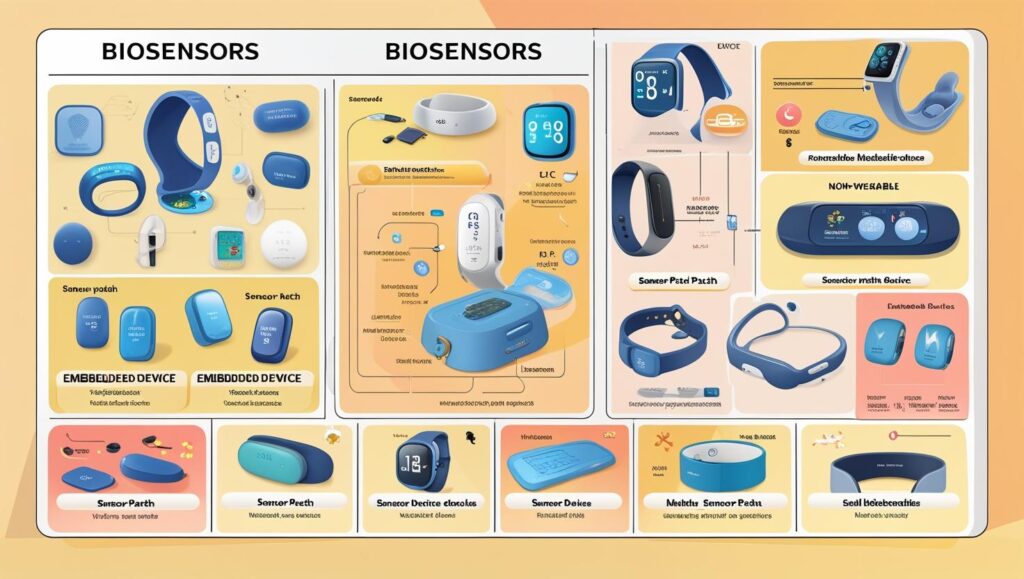
Wearable health devices are becoming increasingly popular among consumers and healthcare professionals alike. Devices such as smartwatches and fitness trackers incorporate biosensors that monitor physiological parameters including heart rate, oxygen saturation, and physical activity.
These wearable biosensors provide continuous health monitoring, allowing users to track their wellness and detect potential health issues early. The integration of biosensors with mobile applications and cloud-based health platforms is further enhancing the capabilities of digital health ecosystems.
The growing adoption of wearable health devices is a major factor contributing to Biosensors Market Growth, as consumers seek convenient and proactive ways to manage their health.
Emerging Technologies Driving Biosensors Market Growth
Nanotechnology-Based Biosensors
Nanotechnology has significantly improved the sensitivity and performance of biosensors. Nanomaterials such as nanoparticles, nanowires, and graphene enable biosensors to detect extremely small concentrations of biological molecules.
These advanced biosensors provide faster response times and improved diagnostic accuracy. The integration of nanotechnology in biosensor design is creating new opportunities for early disease detection and personalized medicine.
As research and development efforts continue to advance nanotechnology applications in healthcare, Biosensors Market Growth is expected to gain further momentum.
Integration with Artificial Intelligence
Artificial intelligence is playing an increasingly important role in enhancing biosensor functionality. AI-powered analytics platforms can process large volumes of biosensor-generated data to identify patterns and detect health anomalies.
By combining biosensors with AI algorithms, healthcare providers can gain deeper insights into patient health and predict potential medical conditions before they become critical. This integration is particularly valuable for remote patient monitoring and predictive healthcare systems.
The convergence of biosensors with AI-driven healthcare technologies is expected to significantly contribute to Biosensors Market Growth in the future.
Development of Non-Invasive Biosensors
Non-invasive biosensors represent another important technological advancement in the healthcare sector. Traditional diagnostic methods often require blood samples or invasive procedures, which can be uncomfortable for patients.
Non-invasive biosensors can monitor physiological parameters using sweat, saliva, tears, or skin contact, eliminating the need for needles or blood draws. These devices are especially beneficial for continuous health monitoring and patient-friendly diagnostics.
The increasing focus on non-invasive medical technologies is expected to further support Biosensors Market Growth as healthcare systems prioritize patient comfort and convenience.
Applications Supporting Biosensors Market Growth
Medical Diagnostics
Medical diagnostics is the largest application area for biosensors. These devices are widely used for detecting diseases, monitoring treatment progress, and managing chronic health conditions.
Examples include glucose monitoring devices for diabetes management, biosensors for detecting infectious diseases, and cardiac monitoring systems for heart health assessment.
The growing demand for accurate and rapid medical diagnostics is a major factor driving Biosensors Market Growth across global healthcare markets.
Environmental Monitoring
Biosensors are also used for environmental monitoring to detect pollutants, toxins, and harmful microorganisms in water and air. These applications help protect public health by identifying environmental hazards quickly and efficiently.
Environmental biosensors are increasingly used in industrial facilities, research laboratories, and environmental protection programs.
Food Safety Testing
Food safety is another important application area for biosensors. These devices can detect harmful bacteria, pesticides, and chemical contaminants in food products.
By enabling rapid testing and monitoring, biosensors help ensure food quality and prevent foodborne illnesses. This capability is contributing to broader Biosensors Market Growth beyond healthcare applications.
Regional Outlook for Biosensors Market Growth
The adoption of biosensor technologies varies across regions based on healthcare infrastructure, technological innovation, and government initiatives.
North America currently holds a significant share of the global biosensors market due to strong investments in healthcare technology, advanced research institutions, and widespread adoption of wearable health devices.
Europe is also experiencing steady Biosensors Market Growth, supported by strong regulatory frameworks, medical research activities, and increasing focus on digital healthcare solutions.
Meanwhile, the Asia-Pacific region is expected to witness the fastest growth due to expanding healthcare infrastructure, rising healthcare spending, and growing awareness of advanced diagnostic technologies.
Challenges Affecting Biosensors Market Growth
Despite strong growth prospects, several challenges may affect Biosensors Market Growth. One of the primary challenges is the high cost associated with advanced biosensor technologies and wearable health devices.
Another challenge is regulatory approval, as biosensors used in medical applications must meet strict safety and performance standards before commercialization.
Additionally, data privacy concerns related to health monitoring devices and digital healthcare platforms may influence consumer adoption of biosensor-based technologies.
Addressing these challenges through technological innovation and regulatory improvements will be crucial for sustaining long-term Biosensors Market Growth.
Future Outlook
The future of the biosensors market looks highly promising as healthcare systems continue to embrace digital transformation and precision medicine. Advances in biotechnology, nanotechnology, and artificial intelligence are expected to create more sophisticated biosensor devices capable of detecting diseases earlier and monitoring health conditions more effectively.
With increasing investments in research and development, biosensors are likely to become more affordable, accurate, and widely accessible. These innovations will play a key role in improving global healthcare outcomes while supporting continued Biosensors Market Growth.
Biosensors have become a cornerstone of modern healthcare by enabling rapid diagnostics, continuous health monitoring, and personalized treatment strategies. Their ability to provide real-time biological data has revolutionized medical diagnostics and patient care.
As technological advancements continue to enhance biosensor capabilities, the healthcare industry will increasingly rely on these devices to support preventive healthcare and early disease detection. With strong demand from medical diagnostics, wearable health technologies, and environmental monitoring applications, Biosensors Market Growth is expected to remain robust in the coming years.
Frequently Asked Questions (FAQs)
1. What are biosensors and how do they work?
Biosensors are analytical devices that detect biological substances and convert them into measurable signals. They typically consist of a biological recognition element, a transducer, and a signal processor that provides real-time diagnostic data.
2. What factors are driving Biosensors Market Growth?
Key factors driving Biosensors Market Growth include the rising prevalence of chronic diseases, increasing demand for point-of-care diagnostics, advancements in wearable health devices, and growing adoption of digital healthcare technologies.
3. Where are biosensors commonly used?
Biosensors are widely used in medical diagnostics, glucose monitoring for diabetes management, environmental monitoring, food safety testing, and wearable health devices.
4. How are wearable devices contributing to Biosensors Market Growth?
Wearable devices such as smartwatches and fitness trackers incorporate biosensors to monitor health parameters like heart rate, oxygen levels, and physical activity. This continuous health monitoring is accelerating Biosensors Market Growth globally.
5. What is the future outlook for Biosensors Market Growth?
The future of Biosensors Market Growth looks promising due to technological advancements in nanotechnology, artificial intelligence integration, and non-invasive diagnostic devices, which will further expand healthcare applications.
About MarketsandMarkets™
MarketsandMarkets™ has been recognized as one of America’s Best Management Consulting Firms by Forbes, as per their recent report.
MarketsandMarkets™ is a blue ocean alternative in growth consulting and program management, leveraging a man-machine offering to drive supernormal growth for progressive organizations in the B2B space. With the widest lens on emerging technologies, we are proficient in co-creating supernormal growth for clients across the globe.
Today, 80% of Fortune 2000 companies rely on MarketsandMarkets, and 90 of the top 100 companies in each sector trust us to accelerate their revenue growth. With a global clientele of over 13,000 organizations, we help businesses thrive in a disruptive ecosystem.
The B2B economy is witnessing the emergence of $25 trillion in new revenue streams that are replacing existing ones within this decade. We work with clients on growth programs, helping them monetize this $25 trillion opportunity through our service lines – TAM Expansion, Go-to-Market (GTM) Strategy to Execution, Market Share Gain, Account Enablement, and Thought Leadership Marketing.
Built on the ‘GIVE Growth’ principle, we collaborate with several Forbes Global 2000 B2B companies to keep them future-ready. Our insights and strategies are powered by industry experts, cutting-edge AI, and our Market Intelligence Cloud, KnowledgeStore™, which integrates research and provides ecosystem-wide visibility into revenue shifts.
To find out more, visit www.MarketsandMarkets™.com or follow us on Twitter , LinkedIn and Facebook .
Contact:
Mr. Rohan Salgarkar
MarketsandMarkets™ INC.
1615 South Congress Ave.
Suite 103, Delray Beach, FL 33445
USA: +1-888-600-6441
