The health and reproductive performance of cattle and swine are critical to ensuring sustainable livestock production, food security, and farm profitability. Reproductive diseases can significantly reduce fertility rates, increase pregnancy losses, and lower herd productivity, leading to substantial economic losses for producers worldwide. As livestock producers increasingly prioritize disease prevention and herd health management, demand for advanced diagnostics, vaccines, and veterinary therapeutics continues to grow.
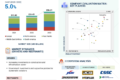
The global cattle & porcine/swine reproductive diseases market is projected to grow from USD 758.2 million in 2024 to USD 975.8 million by 2029, registering a CAGR of 5.2% during the forecast period. Market growth is being driven by increasing awareness of reproductive disease management, advancements in veterinary diagnostics, and rising investments in livestock health programs.
Download PDF Brochure: https://www.marketsandmarkets.com/pdfdownloadNew.asp?id=241160711
Understanding the Cattle & Porcine Reproductive Diseases Market
The market includes products and services aimed at the diagnosis, prevention, and treatment of reproductive diseases affecting cattle and pigs. These diseases directly impact fertility, pregnancy outcomes, and overall reproductive efficiency, making effective disease control essential for maximizing livestock productivity.
The market encompasses:
- Veterinary diagnostic tests
- Vaccines
- Veterinary pharmaceuticals
- Nutritional supplements
- Disease surveillance programs
- Reproductive health management solutions
Key diseases addressed by these products include:
- Brucellosis
- Leptospirosis
- Porcine Reproductive and Respiratory Syndrome (PRRS)
- Bovine Viral Diarrhea (BVD)
Timely diagnosis and effective disease management help reduce reproductive losses, improve herd performance, and enhance profitability for livestock producers.
Key Market Growth Drivers
Rising Demand for Livestock Productivity
Global demand for meat and dairy products continues to increase, encouraging farmers to improve reproductive efficiency and maintain healthy breeding herds.
Preventing reproductive diseases enables producers to:
- Improve conception rates
- Reduce abortions and stillbirths
- Increase calving and farrowing success
- Improve herd replacement efficiency
- Enhance overall farm profitability
These benefits continue to drive investments in veterinary healthcare solutions.
Growing Adoption of Preventive Veterinary Care
Livestock producers are increasingly shifting from reactive treatment toward preventive healthcare strategies.
Routine vaccination programs, reproductive screening, herd monitoring, and early disease detection help minimize disease outbreaks while reducing long-term treatment costs.
Preventive herd health management has become a central component of modern livestock production systems.
Advances in Veterinary Diagnostics
Rapid improvements in diagnostic technologies are enabling earlier and more accurate identification of reproductive diseases.
Modern veterinary diagnostic solutions now include:
- Molecular diagnostics
- PCR-based testing
- ELISA assays
- Point-of-care diagnostics
- Multiplex disease detection
- Digital herd monitoring systems
These innovations support faster intervention and improved disease control.
Request Sample Pages: https://www.marketsandmarkets.com/requestsampleNew.asp?id=241160711
Expanding Global Animal Health Investments
Governments, veterinary organizations, and livestock producers continue investing in disease surveillance, vaccination campaigns, and biosecurity initiatives to improve animal health and food production.
Growing awareness of zoonotic diseases and antimicrobial stewardship is also encouraging adoption of preventive veterinary solutions.
Competitive Landscape
The cattle & porcine/swine reproductive diseases market is highly competitive, with leading companies investing in:
- Vaccine development
- Veterinary pharmaceuticals
- Molecular diagnostics
- Geographic expansion
- Manufacturing capacity
- Strategic acquisitions
- Research collaborations
Manufacturers continue strengthening their product portfolios to support comprehensive livestock disease management.
Leading Companies Operating in the Market
Major participants include:
- Zoetis Inc. (US)
- Merck & Co., Inc. (US)
- Boehringer Ingelheim International GmbH (Germany)
- Virbac (France)
- Elanco Animal Health Incorporated (US)
- Vetoquinol S.A. (France)
- Ceva Santé Animale (France)
- IDEXX Laboratories (US)
- Thermo Fisher Scientific Inc. (US)
- Biochek Smart Veterinary Diagnostics (Netherlands)
- Ring Biotechnology Co. Ltd. (China)
- Sequent Scientific Limited (India)
- HIPRA (Spain)
- QIAGEN N.V. (Germany)
- Innovative Diagnostics (France)
- Colorado Serum Company (US)
- Indian Immunologicals Ltd. (India)
- Refit Animal Care (India)
- Calier (Spain)
- Megacor Diagnostik GmbH (Austria)
- Vetanco (Brazil)
- Biogénesis Bagó (Argentina)
- AdvaCare Pharma (US)
- Bio-X Diagnostics S.A. (Belgium)
- Pax Healthcare (India)
These companies are expanding their global presence through product launches, acquisitions, strategic partnerships, and manufacturing investments.
Company Spotlight
Zoetis Inc. (US)
Zoetis is one of the world’s largest animal health companies, offering an extensive portfolio of vaccines, medicines, diagnostics, and reproductive health solutions for livestock.
Its strengths include:
- Presence in over 120 countries
- Operations across 70 countries
- Strong livestock product portfolio
- Extensive vaccine development capabilities
- Global manufacturing and distribution network
Recent strategic developments include:
- September 2022: Acquisition of Jurox Pty Limited to strengthen its animal health portfolio.
- March 2024: Acquisition of a 21-acre manufacturing site in Melbourne, expanding vaccine development and manufacturing capabilities.
These investments reinforce Zoetis’ leadership in livestock health and reproductive disease management.
Merck & Co., Inc. (US)
Through MSD Animal Health (outside the US and Canada), Merck provides veterinary pharmaceuticals, vaccines, and animal health technologies for livestock producers worldwide.
Its competitive advantages include:
- Operations in over 140 countries
- 25 manufacturing facilities worldwide
- 16 global R&D centers
- Strong veterinary vaccine portfolio
- Comprehensive herd health management solutions
A notable strategic milestone occurred in June 2021, when Merck acquired LIC Automation Ltd. from New Zealand’s Livestock Improvement Corporation, strengthening its capabilities in cattle health technology and digital livestock management.
Boehringer Ingelheim International GmbH (Germany)
Boehringer Ingelheim is a global leader in animal health, offering vaccines, pharmaceuticals, and disease management solutions for food-producing animals.
Its strengths include:
- Dedicated Animal Health division
- Extensive global subsidiary network
- Strong expertise in swine health
- Comprehensive reproductive disease portfolio
- Broad international distribution capabilities
In November 2022, the company introduced the PRRS Knowledge Manual, a comprehensive resource summarizing more than 25 years of research and best practices for controlling Porcine Reproductive and Respiratory Syndrome Virus (PRRSV), further demonstrating its commitment to advancing swine health.
Emerging Trends Shaping the Market
Several trends are expected to influence future market growth:
- Precision livestock farming
- Digital herd health monitoring
- AI-powered disease surveillance
- Molecular diagnostic technologies
- Next-generation veterinary vaccines
- Enhanced farm biosecurity programs
- Sustainable livestock production practices
- Data-driven reproductive management
- Expanded disease prevention initiatives
These innovations are helping producers improve reproductive performance while reducing disease-related economic losses.
Future Outlook
The growing global demand for animal protein, combined with increased emphasis on livestock health and disease prevention, will continue driving investment in reproductive disease management solutions.
Advances in diagnostics, vaccine development, digital livestock monitoring, and precision animal health technologies are expected to further strengthen market growth.
Companies that deliver integrated solutions combining diagnostics, therapeutics, preventive care, and digital herd management will be well positioned to capitalize on future opportunities in the livestock industry.
Conclusion
The global cattle & porcine/swine reproductive diseases market is poised for steady growth as livestock producers increasingly prioritize reproductive efficiency, herd health, and disease prevention. With the market projected to reach USD 975.8 million by 2029, continued innovation in veterinary diagnostics, vaccines, pharmaceuticals, and precision livestock management will play a crucial role in supporting sustainable animal agriculture and improving farm productivity.
For more information, Inquire Now!