Maintaining product quality and ensuring patient safety have become top priorities for pharmaceutical manufacturers worldwide. As production volumes increase and regulatory standards become more stringent, advanced inspection technologies are playing an increasingly critical role in pharmaceutical manufacturing. Among these technologies, pharmaceutical metal detectors have emerged as essential quality assurance tools that help manufacturers detect metallic contaminants before products reach patients.
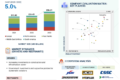
The global pharmaceutical metal detectors market is projected to grow from USD 157.1 million in 2025 to USD 197.7 million by 2030, registering a CAGR of 4.7% during the forecast period. Growth is being fueled by increasing automation in pharmaceutical manufacturing, stricter regulatory requirements, and continuous innovation in intelligent inspection technologies.
Download PDF Brochure: https://www.marketsandmarkets.com/pdfdownloadNew.asp?id=133098373
Why Pharmaceutical Metal Detection Is Essential
Metal contamination can occur at various stages of pharmaceutical manufacturing due to equipment wear, raw material contamination, or processing failures. Even microscopic metal fragments can compromise product safety, trigger costly recalls, and damage brand reputation.
Pharmaceutical metal detectors help manufacturers:
- Detect ferrous, non-ferrous, and stainless-steel contaminants
- Protect patient safety
- Meet Good Manufacturing Practice (GMP) requirements
- Comply with FDA and international quality standards
- Reduce product recalls and production waste
- Improve overall manufacturing efficiency
As pharmaceutical companies continue to modernize production facilities, demand for high-precision inspection systems is steadily increasing.
Key Market Growth Drivers
Increasing Automation in Pharmaceutical Manufacturing
Modern pharmaceutical facilities are rapidly adopting automated production lines to improve productivity, minimize manual intervention, and maintain consistent product quality.
Advanced metal detection systems integrate seamlessly with automated manufacturing equipment, enabling:
- Continuous inline inspection
- Automated rejection of contaminated products
- Higher production throughput
- Improved process reliability
- Reduced operational downtime
Automation is expected to remain one of the strongest drivers of market growth through 2030.
Growing Focus on Regulatory Compliance
Regulatory agencies worldwide continue to tighten quality control requirements for pharmaceutical manufacturers.
Compliance with standards such as:
- Good Manufacturing Practice (GMP)
- FDA regulations
- 21 CFR Part 11
- International validation protocols
requires manufacturers to implement reliable contaminant detection systems capable of documenting inspection performance and supporting audit readiness.
Advances in Intelligent Inspection Technologies
Technological innovation is transforming pharmaceutical metal detection through features such as:
- Higher sensor sensitivity
- Real-time monitoring
- AI-assisted diagnostics
- Predictive maintenance
- Remote equipment monitoring
- Digital validation support
- IoT-enabled inspection systems
These capabilities improve production efficiency while reducing false rejects and maintenance costs.
Rising Investments in Smart Manufacturing
Pharmaceutical companies are increasingly embracing Industry 4.0 technologies that connect inspection equipment with manufacturing execution systems (MES), enterprise resource planning (ERP) platforms, and digital quality management systems.
Connected metal detection systems provide:
- Live production monitoring
- Equipment health analytics
- Automated compliance reporting
- Predictive maintenance alerts
- Enhanced process traceability
Digital transformation is creating new opportunities for equipment manufacturers across the pharmaceutical sector.
Industry Developments Driving Innovation
The market continues to witness strategic investments, product launches, and research collaborations.
Illinois Tool Works Launches IQ4M Metal Detector
In April 2025, Illinois Tool Works Inc. introduced the IQ4M Metal Detector, a next-generation inspection solution designed for pharmaceutical and food manufacturing.
The system offers:
- High-precision contaminant detection
- Reduced false rejects
- Improved quality assurance
- Enhanced production efficiency
- Reliable inspection for solid dosage manufacturing and packaging
The launch reflects growing demand for intelligent inspection systems capable of supporting modern pharmaceutical production environments.
Eriez Expands Research Capabilities
In September 2024, Eriez Manufacturing Co. partnered with Cardiff University (UK) to establish a new research and development hub in Wales.
The collaboration aims to:
- Advance metal detection technologies
- Strengthen industrial research
- Accelerate product innovation
- Improve inspection system performance
Academic partnerships such as this are expected to accelerate the development of next-generation inspection technologies.
Competitive Landscape
The pharmaceutical metal detectors market remains moderately consolidated, with global leaders focusing on:
- Product innovation
- Digital connectivity
- Strategic partnerships
- Geographic expansion
- Smart manufacturing solutions
- Regulatory compliance capabilities
Companies continue investing in inspection systems that deliver higher sensitivity, improved operational efficiency, and seamless integration into automated pharmaceutical production lines.
Leading Companies Operating in the Market
Major participants include:
- Mettler-Toledo International Inc. (US)
- Thermo Fisher Scientific Inc. (US)
- Anritsu Corporation (Japan)
- Eriez Manufacturing Co. (US)
- CEIA S.p.A. (Italy)
- Illinois Tool Works Inc. (US)
- Fortress Technology Inc. (US)
- CASSEL Messtechnik GmbH (Germany)
- Bunting (US)
- MinebeaMitsumi Inc. (Japan)
- Nikka Densok Limited (Japan)
- PRISMA INDUSTRIALE S.r.l. (Italy)
- WIPOTEC GmbH (Germany)
- Dongguan Coso Electronic Tech Co. (China)
- Vinsyst Technologies (India)
These companies continue strengthening their market positions through innovation, acquisitions, partnerships, and global expansion.
Company Spotlight
Mettler-Toledo International Inc.
Mettler-Toledo remains the market leader through its well-established Safeline product portfolio.
Its competitive strengths include:
- High-sensitivity contaminant detection
- Tablet, capsule, and powder inspection
- Compliance with 21 CFR Part 11
- Augmented Reality (AR)-enabled remote support
- Real-time equipment diagnostics
- Comprehensive validation services (DQ, OQ, PQ)
Its emphasis on precision inspection and regulatory compliance continues to make it a preferred partner for pharmaceutical manufacturers worldwide.
Thermo Fisher Scientific Inc.
Thermo Fisher Scientific offers advanced pharmaceutical inspection solutions through systems such as the APEX 500 Rx.
Key capabilities include:
- Multi-coil detection technology
- High-speed production compatibility
- Environmental interference immunity
- Mobile inspection configurations
- IoT-enabled predictive maintenance
- Enhanced production traceability
The company continues expanding its presence by investing in smart manufacturing technologies that improve pharmaceutical quality assurance.
Anritsu Corporation
Anritsu has built a strong reputation for compact, validation-ready inspection systems designed specifically for pharmaceutical production.
Its systems feature:
- High detection sensitivity
- Product-effect immunity
- Tool-free maintenance
- Duplex rejection gate monitoring
- Easy integration into tablet and capsule production lines
- 21 CFR Part 11 compliance
The company’s focus on user-friendly operation and minimal downtime supports manufacturers seeking efficient and compliant production processes.
Market Ranking
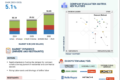
The pharmaceutical metal detectors market is moderately consolidated, with the top five companies collectively accounting for approximately 66–70% of global market share.
The leading companies include:
- Mettler-Toledo International Inc. (US) – Market leader with an extensive portfolio of precision inspection systems and strong pharmaceutical expertise.
- Thermo Fisher Scientific Inc. (US) – Recognized for integrated inspection technologies and automated quality assurance solutions.
- Anritsu Corporation (Japan) – Known for advanced signal processing and high-speed pharmaceutical inspection systems.
- Illinois Tool Works Inc. (US) – Focuses on compact, intelligent metal detection solutions optimized for high-throughput production.
- Eriez Manufacturing Co. (US) – Offers customizable, high-sensitivity inspection systems across multiple pharmaceutical dosage formats.
Beyond these major players, several regional manufacturers compete by developing specialized solutions featuring enhanced sensitivity, hygienic designs, and smart connectivity tailored to evolving GMP requirements.
Emerging Trends Shaping the Market
Several innovations are expected to influence the future of pharmaceutical metal detection:
- AI-powered contaminant detection
- IoT-enabled predictive maintenance
- Cloud-based inspection analytics
- Digital validation documentation
- Augmented Reality (AR) service support
- High-speed automated inspection
- Enhanced sensor sensitivity
- Smart manufacturing integration
- Advanced hygienic equipment design
- Sustainability-focused production technologies
These developments are helping pharmaceutical companies improve inspection accuracy while supporting digital transformation initiatives.
Future Outlook
As pharmaceutical manufacturers continue investing in automated production facilities, regulatory compliance, and digital quality management, demand for intelligent metal detection systems will continue to grow.
Manufacturers that combine precision detection, smart connectivity, predictive maintenance, and seamless production integration will be best positioned to capitalize on future market opportunities.
With increasing emphasis on patient safety, product integrity, and operational efficiency, pharmaceutical metal detection technologies are expected to remain an essential component of modern pharmaceutical manufacturing.
Conclusion
The global pharmaceutical metal detectors market is poised for steady expansion as pharmaceutical companies strengthen quality assurance programs and adopt increasingly automated manufacturing environments. With the market expected to reach USD 197.7 million by 2030, innovation in intelligent inspection technologies, regulatory compliance solutions, and connected manufacturing systems will continue shaping the industry’s future.
Request Sample Pages : https://www.marketsandmarkets.com/requestsampleNew.asp?id=133098373