In today’s increasingly security-conscious world, businesses are turning to advanced technologies to protect their assets, employees, and sensitive information. Among the most transformative technologies in commercial security are biometric systems, which use unique physiological and behavioral traits to verify identities with high accuracy and convenience. Biometric security systems—specifically those utilizing fingerprint, facial, iris, and voice recognition—are reshaping how companies safeguard their premises and data.
The Commercial Security System Industry is experiencing rapid growth as businesses across the globe prioritize safeguarding their assets, personnel, and sensitive information. Driven by technological advancements and rising security threats, this industry encompasses a wide array of solutions—from traditional surveillance cameras to sophisticated biometric authentication and integrated access control systems. As organizations seek smarter, more reliable, and scalable security measures, the demand for innovative commercial security technologies continues to surge, making this sector a critical focus for investors and enterprises alike.
The Rise of Biometric Security in Commercial Settings
Traditional security methods such as passwords, PINs, or keycards are often vulnerable to theft, duplication, or loss. Biometric security, on the other hand, relies on inherently personal and difficult-to-forge identifiers, providing a much higher level of protection. For commercial environments ranging from offices and manufacturing plants to retail stores and financial institutions, biometric systems offer reliable, efficient, and user-friendly access control and monitoring solutions.
Fingerprint Recognition: The Pioneer of Biometric Security
Fingerprint recognition remains the most widely adopted biometric technology in commercial security. It works by scanning and analyzing the unique patterns of ridges and valleys on an individual’s fingertip. The compact size, affordability, and rapid processing speed of fingerprint scanners make them ideal for a variety of applications, including employee attendance tracking, access control to restricted areas, and time-sensitive operations.
Fingerprints are nearly impossible to replicate, reducing the risk of unauthorized entry. Additionally, modern fingerprint scanners use advanced sensors capable of detecting liveness to prevent spoofing with fake fingerprints, further enhancing security integrity.
Download PDF Brochure @ https://www.marketsandmarkets.com/pdfdownloadNew.asp?id=234307144
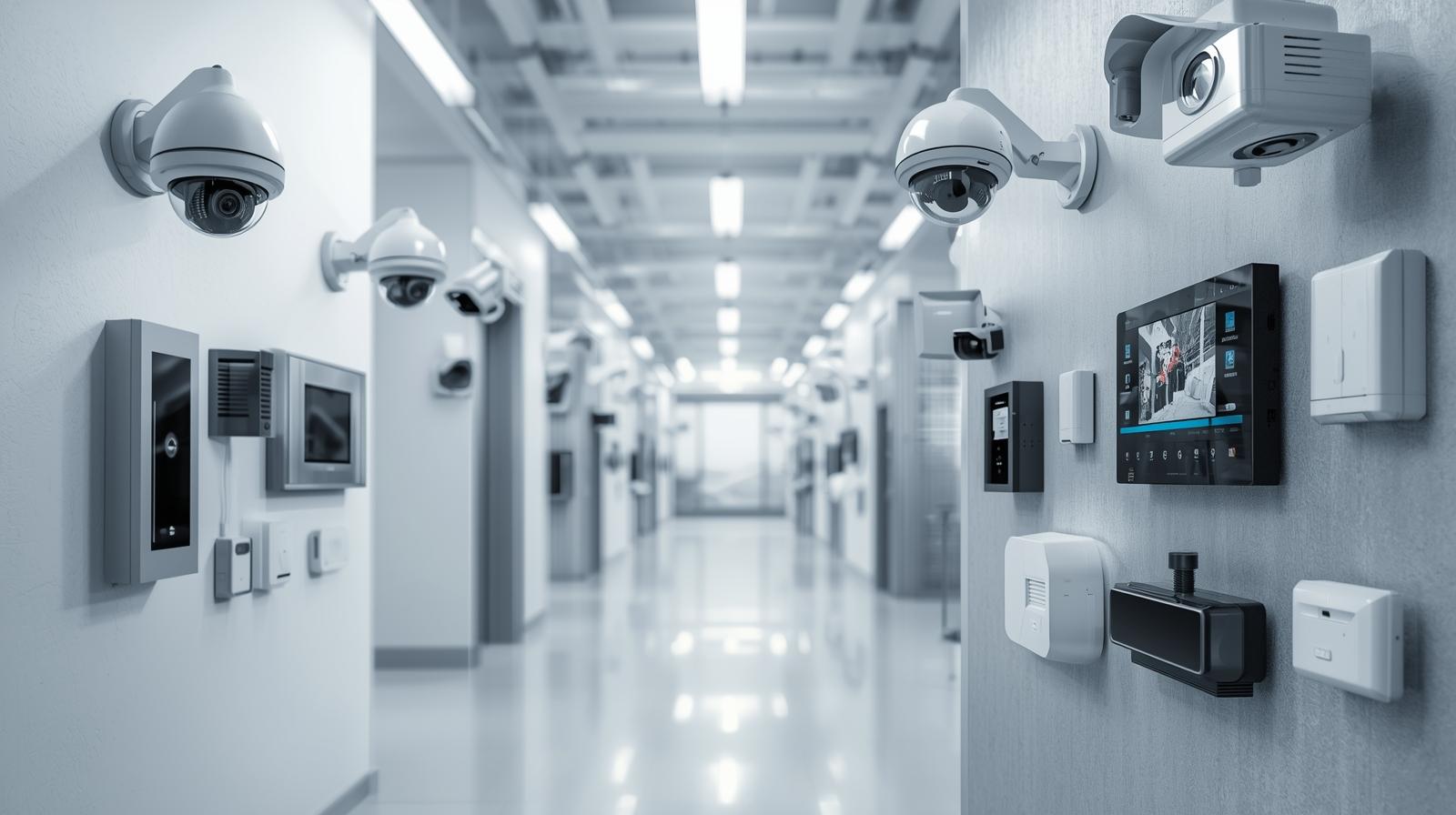
Facial Recognition: Convenience Meets Cutting-Edge Technology
Facial recognition systems have gained prominence for their non-intrusive and contactless authentication capabilities. Using high-resolution cameras and AI-powered algorithms, these systems map facial features such as the distance between the eyes, nose shape, and jawline contours. This biometric method allows for seamless access control, even in high-traffic areas, as individuals can be identified quickly without interrupting workflow.
In commercial security, facial recognition is especially useful for monitoring entrances, enhancing visitor management, and integrating with video surveillance systems to flag unauthorized persons in real-time. Its ability to function under varying light conditions and from different angles has improved significantly, making it a robust security solution.
Iris Recognition: The Gold Standard in Precision
Iris recognition is regarded as one of the most accurate biometric modalities. It involves capturing the intricate patterns in the colored ring around the pupil, which are unique for each person and remain stable over a lifetime. Iris scanners emit near-infrared light to create detailed images of the iris, which are then matched against stored templates for authentication.
Though less common than fingerprint or facial recognition, iris recognition is preferred in high-security commercial environments such as data centers, government buildings, and financial institutions due to its precision and resistance to forgery. While it requires specialized hardware and a slightly more controlled environment, the security benefits are substantial.
Voice Recognition: Adding a Behavioral Layer to Security
Voice recognition systems analyze unique vocal characteristics such as pitch, tone, cadence, and pronunciation. Unlike physical biometrics, voice is a behavioral trait that can authenticate identity remotely, making it an excellent choice for commercial call centers, remote access systems, and multi-factor authentication processes.
Voice biometrics can be integrated with other security layers, providing an additional safeguard against identity fraud and unauthorized access. Advances in machine learning enable voice recognition systems to adapt to changes in a user’s voice caused by illness or aging, increasing reliability over time.
Benefits of Biometric Commercial Security Systems
Biometric security systems in commercial settings offer numerous advantages. They provide enhanced protection against identity theft and unauthorized access, reduce reliance on physical tokens or passwords, and simplify security management through centralized control. Furthermore, biometric data is difficult to duplicate or share, making these systems highly resistant to fraud.
The integration of biometric systems with existing security infrastructure, including CCTV, alarms, and access control panels, creates comprehensive, multi-layered security environments. Additionally, biometric systems can improve operational efficiency by automating attendance, visitor logs, and time tracking.
Challenges and Considerations
Despite their advantages, biometric security systems require careful implementation to address privacy concerns, data protection regulations, and potential technical limitations. Businesses must ensure secure storage and encryption of biometric data and comply with regional laws like GDPR to protect user privacy. Furthermore, environmental factors such as lighting, dirt, or background noise can affect the performance of certain biometric systems, necessitating robust hardware and adaptive software solutions.
The Future of Commercial Biometric Security
As AI, machine learning, and sensor technologies continue to evolve, biometric security systems will become even more accurate, faster, and more user-friendly. Emerging trends include multi-modal biometrics—combining fingerprint, face, iris, and voice recognition for layered security—and mobile biometric solutions enabling secure access via smartphones.
For commercial enterprises, investing in biometric security is not just about protection; it’s about creating safer, smarter workplaces that balance security with convenience. As threats to physical and digital security grow more sophisticated, biometric technologies will remain at the forefront of commercial security innovation.
FAQ: Commercial Security Systems by Biometric Technologies
1. What are biometric security systems in commercial applications?
Biometric security systems use unique physical or behavioral traits—such as fingerprints, facial features, iris patterns, or voice characteristics—to verify identities. These systems provide secure access control and authentication in workplaces, retail stores, and other commercial environments.
2. How do fingerprint recognition systems work in commercial security?
Fingerprint recognition scans the unique patterns on an individual’s fingertip and compares them against stored templates to grant or deny access. It’s widely used for employee access control and attendance due to its speed and reliability.
3. What advantages does facial recognition offer over other biometric methods?
Facial recognition provides contactless and non-intrusive authentication, making it ideal for high-traffic areas. It can integrate with surveillance systems for real-time monitoring and can identify individuals quickly without physical interaction.
4. Why is iris recognition considered highly accurate for commercial security?
Iris recognition analyzes the intricate, unique patterns of the colored ring around the pupil. It offers exceptional precision and is difficult to forge, making it suitable for high-security environments like data centers and government facilities.
5. Can voice recognition be used effectively in commercial security?
Yes, voice recognition analyzes vocal patterns for remote or contact-based authentication. It’s especially useful for call centers and multi-factor authentication systems, adding an extra layer of security by verifying users through their voice.
About MarketsandMarkets™
MarketsandMarkets™ is a blue ocean alternative in growth consulting and program management, leveraging a man-machine offering to drive supernormal growth for progressive organizations in the B2B space. We have the widest lens on emerging technologies, making us proficient in co-creating supernormal growth for clients.
The B2B economy is witnessing the emergence of $25 trillion of new revenue streams that are substituting existing revenue streams in this decade alone. We work with clients on growth programs, helping them monetize this $25 trillion opportunity through our service lines – TAM Expansion, Go-to-Market (GTM) Strategy to Execution, Market Share Gain, Account Enablement, and Thought Leadership Marketing.
Built on the ’GIVE Growth’ principle, we work with several Forbes Global 2000 B2B companies – helping them stay relevant in a disruptive ecosystem. Our insights and strategies are molded by our industry experts, cutting-edge AI-powered Market Intelligence Cloud, and years of research. The KnowledgeStore™ (our Market Intelligence Cloud) integrates our research, facilitates an analysis of interconnections through a set of applications, helping clients look at the entire ecosystem and understand the revenue shifts happening in their industry.
To find out more, visit www.MarketsandMarkets™.com or follow us on Twitter, LinkedIn and Facebook.
Contact:
Mr. Rohan Salgarkar
MarketsandMarkets™ INC.
1615 South Congress Ave.
Suite 103
Delray Beach, FL 33445
USA : 1-888-600-6441
