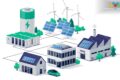
The global electricity sector is undergoing a major transformation as utilities, governments, and technology providers invest in digital infrastructure, grid automation, and renewable energy integration. Smart grids are becoming essential to modern power systems because they enable real-time monitoring, improve electricity distribution, support demand management, and enhance grid reliability.
According to MarketsandMarkets, the global Smart Grid Market is projected to grow from USD 73.8 billion in 2024 to USD 161.1 billion by 2029, registering a compound annual growth rate (CAGR) of 16.9% during the forecast period. This growth is supported by increasing investments in electricity infrastructure, rising energy consumption, and the growing need to modernize conventional power networks.
Smart grid technology integrates digital communication systems, advanced metering infrastructure, sensors, automation, analytics, and intelligent control systems into electricity networks. These technologies help utilities monitor power flows, detect faults, improve operational efficiency, and manage electricity demand more effectively.
The Smart Grid Industry is also evolving as renewable energy sources, electric vehicles, distributed energy resources, and digital energy management systems become increasingly important. Utilities are investing in intelligent distribution networks, smart meters, grid management software, and communication technologies to improve network visibility and operational flexibility.
Asia Pacific is expected to be the fastest-growing regional market, driven by industrialization, urbanization, rising electricity demand, and investments in modern power infrastructure, particularly in countries such as India and China. North America also represents an important market for smart grid solutions, supported by grid modernization initiatives and the adoption of advanced digital technologies.
Against this backdrop, the following 25 companies represent a cross-section of technology providers, equipment manufacturers, software developers, and digital solution specialists contributing to the development of the global smart grid ecosystem.
25 Smart Grid Companies Shaping the Industry
1. General Electric Company
General Electric is an established participant in the smart grid ecosystem, offering technologies and solutions for electricity generation, transmission, distribution, and grid management.
Its grid-related capabilities support utilities in improving network visibility, managing electricity flows, and modernizing power infrastructure. Digital technologies and grid automation are important areas for utilities seeking to improve operational performance and integrate renewable energy into existing networks.
As electricity systems become more complex, advanced grid management and automation solutions remain important to the development of intelligent power networks.
2. ABB
ABB is a global technology company serving the electricity and automation industries. Its electrical infrastructure and automation solutions support the modernization of transmission and distribution networks.
The company offers technologies relevant to grid protection, power distribution, substation automation, and electrical system monitoring. These capabilities help utilities improve reliability, manage network operations, and support the integration of distributed energy resources.
ABB’s presence in electrification and automation makes it an important company to watch as utilities invest in smarter and more flexible power infrastructure.
3. Siemens
Siemens provides technologies and digital solutions for power distribution, grid automation, and energy infrastructure management.
Its smart grid-related capabilities include automation systems, digital grid technologies, and solutions that help utilities improve network monitoring and operational efficiency. These technologies are increasingly important as electricity networks accommodate renewable generation, changing consumption patterns, and growing demand for reliable power.
The company’s digitalization expertise positions it within the broader transformation of conventional electricity networks into intelligent, connected systems.
4. Schneider Electric
Schneider Electric is a major participant in energy management, electrical distribution, and industrial automation. Its solutions help utilities, commercial facilities, and industrial customers monitor and manage electrical infrastructure.
Smart grid applications can benefit from its expertise in power distribution, automation, digital energy management, and connected electrical systems. These capabilities support improved energy visibility, operational efficiency, and more effective management of electricity networks.
As utilities and businesses pursue digital energy strategies, Schneider Electric remains an important participant in the smart grid landscape.
5. Itron
Itron develops solutions for energy and water utilities, with a strong focus on intelligent metering, data collection, and utility network management.
Its technologies help utilities collect and analyze consumption data, improve operational visibility, and support more informed decisions about electricity distribution and customer demand. Advanced metering infrastructure is an important element of smart grid deployment because it enables two-way communication and more detailed monitoring of electricity usage.
The increasing adoption of smart meters and connected utility systems creates opportunities for companies specializing in intelligent metering and data-driven utility operations.
6. IBM
IBM contributes to the smart grid ecosystem through digital technologies, data analytics, artificial intelligence, and enterprise solutions.
Smart grid operators must process large volumes of information from meters, sensors, substations, and other network assets. Digital analytics can help utilities identify operational patterns, improve forecasting, and support predictive maintenance.
IBM’s expertise in enterprise technology and analytics is relevant to utilities pursuing digital transformation and more intelligent electricity network management.
7. Wipro
Wipro provides information technology, consulting, engineering, and digital transformation services across multiple industries, including energy and utilities.
Its capabilities are relevant to smart grid implementation projects involving data management, application modernization, analytics, and digital infrastructure integration. Utilities increasingly require technology partners that can connect operational systems with enterprise platforms and customer-facing applications.
The expansion of digital utility operations creates opportunities for service providers supporting the implementation and management of smart grid technologies.
8. Globema
Globema specializes in geospatial information systems and solutions for network infrastructure management.
Geospatial technologies help utilities visualize electricity assets, manage network information, and improve planning and maintenance activities. Accurate network mapping and asset data are particularly important for distribution utilities managing complex electricity infrastructure across large service territories.
As smart grid deployments increase the need for detailed asset visibility and coordinated field operations, geospatial solutions remain a relevant part of utility digitalization.
9. Trilliant Holdings
Trilliant Holdings provides communication technologies and advanced metering infrastructure solutions for utilities.
Reliable communications are fundamental to smart grids because they connect smart meters, distribution equipment, control systems, and utility management platforms. These networks enable data exchange, remote monitoring, and improved coordination between different parts of the electricity system.
The expansion of connected metering and grid automation creates opportunities for providers of utility communication networks and integrated smart grid platforms.
10. EsyaSoft Technologies
EsyaSoft Technologies is digital technology providers play an important role in the evolution of intelligent electricity infrastructure by supporting software-driven operations, data integration, and utility digitalization. As electricity networks become more connected, utilities increasingly require solutions that help improve operational visibility and manage complex infrastructure.
Companies serving this ecosystem can benefit from the continued adoption of digital utility systems and intelligent grid management technologies.
11. Xylem
Xylem provides water technology solutions and digital infrastructure capabilities for utility and infrastructure operators.
Although its core focus includes water systems, its broader utility technology and digital solutions presence makes it relevant to the interconnected infrastructure ecosystem covered by market participants. Digital monitoring, network data, and infrastructure management are increasingly important across essential utility services.
12. eSmart Systems
eSmart Systems develops digital solutions that support infrastructure inspection, asset management, and data-driven operations.
For utilities, digital inspection and asset intelligence can improve visibility into infrastructure conditions and support maintenance planning. These capabilities are relevant to power networks where equipment reliability, asset performance, and the timely identification of potential problems are essential.
As utilities modernize their operations, digital asset management and infrastructure intelligence remain important areas of technology adoption.
13. Kamstrup
Kamstrup is a technology provider specializing in intelligent metering solutions for utilities.
Smart meters help utilities collect consumption data more frequently, improve measurement accuracy, and provide better visibility into customer demand. Within smart electricity networks, advanced metering can support billing operations, consumption analysis, and demand management initiatives.
The continued rollout of intelligent metering infrastructure creates opportunities for companies developing connected measurement technologies and utility data solutions.
14. Tech Mahindra
Tech Mahindra provides IT services, consulting, engineering, and digital transformation solutions.
Its capabilities can support utility modernization projects involving enterprise applications, data integration, communications, and digital customer services. Smart grid deployments often require utilities to integrate legacy operational systems with newer digital platforms, creating demand for technology implementation and systems integration expertise.
As energy companies accelerate digital transformation, service providers such as Tech Mahindra can support the transition toward connected and data-driven utility operations.
15. Oracle
Oracle provides enterprise software, cloud infrastructure, database technologies, and industry-specific digital solutions.
Smart grid operations generate substantial volumes of data from advanced meters, network sensors, and utility management systems. Enterprise data platforms can help utilities organize this information, support operational analysis, and integrate information across business functions.
Oracle’s enterprise technology capabilities are relevant to utility organizations seeking to improve data management and strengthen the digital foundations of their operations.
16. Cisco
Cisco provides networking, cybersecurity, and communications technologies that support connected infrastructure.
Smart grids rely on dependable communications between field devices, substations, control centers, and enterprise systems. Network connectivity and cybersecurity are therefore essential to maintaining reliable operations and protecting critical electricity infrastructure.
As utilities expand connected devices and digital monitoring, communication networks and secure data exchange will remain important requirements for smart grid deployments.
17. Eaton
Eaton is a power management company serving electrical, industrial, commercial, and utility-related markets.
Its electrical technologies support power distribution, circuit protection, monitoring, and the management of electrical infrastructure. Smart grid development depends on reliable electrical equipment as well as digital technologies that improve network monitoring and control.
Growing investment in electrification, distributed energy resources, and modern distribution infrastructure provides opportunities for power management companies serving the smart grid ecosystem.
18. Enel X
Enel X has been associated with digital energy services, demand response, and energy management solutions.
Demand-side flexibility is becoming increasingly important as electricity consumption grows and renewable generation introduces greater variability into power systems. Digital energy management can help customers adjust consumption, participate in demand response programs, and use electricity more efficiently.
Solutions supporting demand flexibility and customer participation can complement utility investments in smarter and more responsive electricity networks.
19. C3 Energy
C3 Energy is associated with the development of analytics-driven energy management technologies.
Data analytics can help utilities improve forecasting, understand consumption patterns, and identify opportunities to enhance operational efficiency. These capabilities are particularly relevant as utilities manage larger amounts of data from meters, connected devices, and grid assets.
Analytics and intelligent decision-support tools remain important technology categories within the wider smart grid ecosystem.
20. Grid4C
Grid4C has been associated with artificial intelligence and predictive analytics applications for energy and utility operations.
AI-driven analytics can support load forecasting, improve visibility into consumption patterns, and help utilities identify unusual operating conditions. These capabilities can contribute to better planning and more efficient management of electricity networks.
As smart grid infrastructure generates increasing volumes of operational data, advanced analytics and machine learning are becoming important tools for utilities seeking to make more informed decisions.
21. NES
NES, or Networked Energy Services, has been associated with smart metering and advanced metering infrastructure solutions.
Smart metering systems enable utilities to collect consumption information and communicate with connected devices. These capabilities can improve meter reading, support remote operations, and provide the data foundation required for more advanced electricity management applications.
The expansion of advanced metering infrastructure continues to support demand for connected utility systems and smart grid communication technologies.
22. SAP
SAP provides enterprise applications and data management solutions used across multiple industries, including energy and utilities.
Utilities require integrated platforms to coordinate customer information, asset management, billing, financial operations, and business processes. Enterprise systems can complement grid-level technologies by connecting operational information with business planning and customer services.
As utilities modernize their digital infrastructure, enterprise software and data integration remain important components of broader transformation initiatives.
23. Mitsubishi Electric
Mitsubishi Electric supplies electrical and automation technologies for energy, industrial, and infrastructure applications.
Its capabilities are relevant to power distribution, control systems, automation, and electrical infrastructure modernization. These technologies support utilities seeking to improve network reliability, strengthen system monitoring, and manage increasingly complex electricity networks.
The continued development of intelligent distribution systems and automated power infrastructure creates opportunities for established electrical technology providers.
24. Honeywell
Honeywell provides automation, control, sensing, and digital technologies across industrial and infrastructure markets.
Within the broader smart grid ecosystem, monitoring, control, automation, and energy management technologies help organizations improve the performance of electrical systems and connected infrastructure.
As digitalization expands across utilities and energy-intensive facilities, automation and monitoring capabilities remain relevant to efforts to improve operational efficiency and energy visibility.
25. Tantalus Systems
Tantalus Systems provides intelligent grid solutions focused on utilities, including advanced metering and distribution network intelligence.
Its technologies support communication with grid-edge devices and help utilities improve visibility into electricity distribution systems. Distribution utilities increasingly need detailed information about network conditions as distributed generation, electric vehicles, and changing demand patterns place new requirements on existing infrastructure.
The development of connected distribution networks creates opportunities for companies offering utility-focused communications, monitoring, and grid intelligence solutions.
Key Trends Driving the Smart Grid Market
1. Grid Modernization and Infrastructure Investment
Utilities are upgrading aging electricity infrastructure to improve reliability, reduce outages, and accommodate rising electricity demand. Investments in automation, monitoring systems, and digital network management are supporting the transition toward smarter electricity networks.
2. Renewable Energy Integration
The growing deployment of solar and wind power increases the need for better forecasting, flexible grid operations, and real-time visibility. Smart grid technologies help utilities manage variable generation and coordinate electricity flows across interconnected networks.
3. Advanced Metering Infrastructure
Smart meters and connected metering systems enable more detailed consumption monitoring, remote meter operations, and improved customer data management. Advanced metering infrastructure also provides a foundation for demand response and more sophisticated energy management applications.
4. Artificial Intelligence and Predictive Analytics
AI and analytics tools can help utilities forecast electricity demand, identify abnormal operating conditions, optimize maintenance, and improve decision-making. These applications are increasing the importance of software and data analytics within the Smart Grid Industry.
5. Grid Automation and Distribution Intelligence
Automated switching, fault detection, remote monitoring, and distribution management technologies can help utilities identify and respond to network problems more effectively. These capabilities are particularly important as distribution networks become more complex.
6. Cybersecurity and Communication Infrastructure
Smart grids rely on interconnected devices and digital communications, making cybersecurity and network resilience essential. Utilities need reliable communication systems, secure data exchange, and effective protection of critical infrastructure.
Opportunities for Smart Grid Companies
The Smart Grid Market presents several opportunities for technology providers, equipment manufacturers, software developers, and utility service companies.
- Smart meter deployment: Expanding advanced metering infrastructure creates demand for connected meters, communication networks, and meter data management systems.
- Grid management software: Utilities need digital platforms for network monitoring, outage management, load forecasting, and distribution automation.
- Renewable energy integration: Increasing renewable generation creates opportunities for technologies that improve grid flexibility, visibility, and control.
- AI-powered utility operations: Predictive analytics and intelligent automation can help utilities improve asset management and operational efficiency.
- Emerging markets: Electricity infrastructure expansion and modernization programs in Asia Pacific, particularly India and China, create opportunities for smart grid technology providers.
Conclusion
The Smart Grid Market is positioned for significant growth as utilities modernize electricity networks, integrate renewable energy, and invest in digital infrastructure. Smart meters, grid automation, communication systems, analytics, and intelligent energy management technologies are becoming increasingly important to the development of reliable and efficient electricity systems.
The 25 companies discussed in this article illustrate the breadth of the smart grid ecosystem, spanning electrical equipment, digital platforms, advanced metering, communications, analytics, and utility services. Their offerings address different requirements within the transition toward more connected and intelligent power networks. For utilities, technology providers, infrastructure investors, and energy industry stakeholders, understanding the competitive landscape and emerging technology trends is important for identifying opportunities and evaluating future developments in the global Smart Grid Industry.