The Industrial Safety Market is entering a new phase of growth as manufacturers, energy companies, process industries, and other high-risk sectors increasingly adopt connected technologies to protect workers, equipment, and facilities. The integration of artificial intelligence (AI), the Internet of Things (IoT), real-time monitoring, automation, and predictive analytics is transforming traditional safety practices into intelligent and proactive systems.
Industrial organizations are increasingly moving from reactive safety management toward continuous monitoring and predictive risk prevention. Connected sensors can collect information from machines and working environments, while AI and machine learning can analyze this data to identify anomalies and potential hazards. These capabilities are helping organizations strengthen workplace protection while supporting productivity and regulatory compliance. MarketsandMarkets notes that IoT sensors, real-time monitoring, and AI-powered hazard detection are becoming increasingly integrated into industrial safety systems.
AI Transforms Industrial Safety Management
Artificial intelligence is becoming one of the most important technologies influencing the Industrial Safety Market. AI-powered systems can analyze data from sensors, cameras, machines, and other connected devices to identify unusual conditions and potential safety risks.
Machine learning algorithms can support anomaly detection and predictive maintenance, enabling industrial facilities to identify potential equipment or process problems before they result in accidents or costly failures. AI-based computer vision can also assist with monitoring worker behavior, restricted areas, personal protective equipment (PPE), and hazardous conditions.
This transition toward predictive safety is particularly valuable in complex manufacturing environments where large numbers of machines and workers operate simultaneously.
IoT Enables Real-Time Safety Monitoring
The Internet of Things is providing the connectivity layer required for modern industrial safety systems. IoT-enabled sensors can continuously monitor parameters such as temperature, pressure, vibration, gas levels, machine conditions, and worker locations.
Real-time information can then be transmitted to centralized platforms where safety teams can analyze conditions and respond to potential risks.
The growing deployment of connected devices across industrial environments is strengthening demand for integrated safety solutions. MarketsandMarkets highlights real-time monitoring and IoT integration as important components of industrial safety modernization.
Download PDF Brochure @ https://www.marketsandmarkets.com/pdfdownloadNew.asp?id=19720540
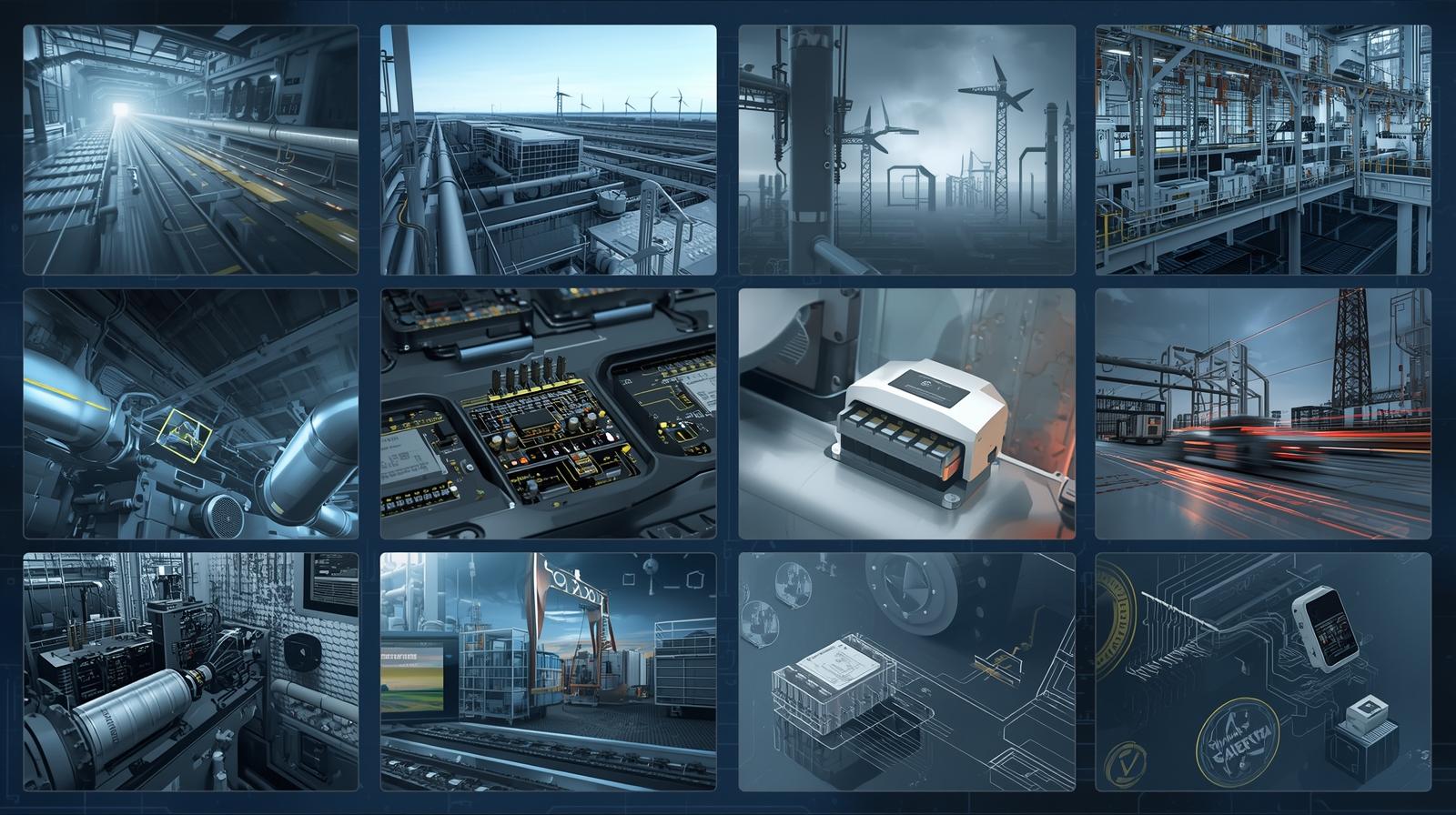
Industry 4.0 Creates New Safety Requirements
The transition toward Industry 4.0 is significantly influencing the Industrial Safety Market. Smart factories increasingly rely on robotics, connected machinery, autonomous systems, digital platforms, and real-time data exchange.
While these technologies can improve productivity, they also introduce new operational and safety considerations. Human-machine collaboration, autonomous equipment, connected production lines, and increasingly complex industrial environments require advanced safety mechanisms.
Industrial safety systems therefore need to become more flexible, connected, and responsive. Technologies such as safety sensors, machine vision, connected controls, and automated emergency systems are becoming increasingly important in smart manufacturing environments.
Predictive Safety Gains Momentum
Traditional safety programs often focus on responding to incidents after they occur. Predictive safety uses real-time information and analytics to identify potential risks before an incident takes place.
Machine learning can identify patterns in equipment behavior, while connected sensors can detect changes that could indicate developing problems. This approach can support predictive maintenance and help facilities prioritize safety interventions.
MarketsandMarkets reports that machine learning is enabling predictive maintenance and anomaly detection in industrial environments, allowing facilities to identify potential safety risks earlier.
The growing emphasis on zero-accident strategies is expected to make predictive safety an increasingly important market opportunity.
Connected Worker Technologies Improve Protection
Connected worker solutions are also gaining importance. Wearable devices, location-tracking systems, connected PPE, and mobile safety applications can provide workers and supervisors with real-time information.
Wearables can potentially monitor worker locations and environmental conditions, while real-time location systems can help organizations understand where personnel are operating within a facility.
In an emergency, connected systems can support faster identification and response. This is especially valuable in industries where workers operate around heavy machinery, hazardous chemicals, extreme temperatures, or confined spaces.
Machine Safety Supports Automated Manufacturing
The increasing adoption of robotics and automated production equipment is driving demand for advanced machine safety technologies.
Safety systems can include sensors, emergency-stop devices, safety controllers, interlocks, light curtains, laser scanners, and other technologies designed to help prevent unsafe interactions between workers and machinery.
MarketsandMarkets identifies robotics and Industry 4.0 adoption as important factors increasing demand for advanced machine safety systems, particularly as human-robot collaboration becomes more common.
As factories become increasingly automated, machine safety is expected to remain a critical component of industrial modernization.
Regulatory Compliance Remains a Major Driver
Regulatory requirements continue to play an important role in the Industrial Safety Market. Manufacturing plants, energy facilities, chemical operations, and other high-risk industries must comply with workplace safety and equipment protection requirements.
Increasingly stringent occupational health and safety standards are encouraging organizations to invest in automated monitoring, safety controls, emergency response systems, and compliance technologies.
MarketsandMarkets identifies evolving safety regulations and occupational health standards as important drivers for advanced industrial safety adoption.
Compliance is therefore not only a legal requirement but also an important factor encouraging businesses to modernize legacy safety infrastructure.
Oil & Gas and Process Industries Remain Important
High-risk process industries such as oil & gas, chemicals, pharmaceuticals, and energy require sophisticated safety systems because equipment failures or hazardous incidents can have serious consequences.
These industries increasingly use safety instrumentation, monitoring systems, gas detection, emergency shutdown systems, and other technologies to protect personnel and facilities.
Automation is particularly valuable in environments where continuous operations make manual monitoring difficult. Connected safety technologies can provide continuous visibility and enable operators to respond more quickly to abnormal conditions.
Smart Factory Investment Opens Growth Opportunities
The development of smart factories is creating substantial opportunities for industrial safety technology providers. MarketsandMarkets estimates the global Industrial Safety Smart Factory Market at approximately USD 1.06 billion in 2025, with the market projected to reach about USD 1.53 billion by 2030, representing a 7.5% CAGR.
Investment is being supported by increasing automation complexity, workforce protection initiatives, digital transformation, and the need for real-time hazard monitoring.
The integration of safety systems with broader factory-management platforms can also help organizations connect safety data with production, maintenance, and operational information.
Cybersecurity Becomes Part of Industrial Safety
As safety systems become increasingly connected, cybersecurity is becoming an important consideration. Industrial IoT devices, connected sensors, and operational technology networks can increase the number of potential entry points for cyber threats.
A disruption to connected industrial systems can potentially affect both production and physical safety. As a result, organizations are increasingly considering cybersecurity as part of their overall industrial resilience strategies.
The broader IoT security market is expanding rapidly as enterprises seek to protect connected industrial infrastructure, with MarketsandMarkets highlighting the growing need for device authentication, network protection, encryption, and AI-driven threat detection.
Edge Computing Supports Faster Safety Decisions
Edge computing can strengthen connected industrial safety systems by enabling data processing closer to where information is generated.
For applications requiring rapid responses, sending all data to a distant cloud platform may introduce unnecessary latency. Edge-based processing can analyze sensor and machine data locally and trigger responses more quickly.
This capability is particularly relevant for automated safety systems, robotics, machine monitoring, and real-time hazard detection.
The combination of edge computing, IoT, and AI is expected to support the development of faster and more autonomous industrial safety solutions.
Digital Transformation Drives Market Opportunities
Industrial organizations are increasingly integrating safety into broader digital transformation strategies. Rather than operating safety systems as isolated technologies, companies are connecting safety data with enterprise software, industrial automation platforms, maintenance systems, and analytics tools.
This integration can provide organizations with a more comprehensive understanding of operational risks.
Data collected from connected safety devices can also support long-term analysis, helping companies identify recurring problems and improve safety procedures.
Asia Pacific Emerges as a Key Growth Region
Asia Pacific represents an important growth opportunity for industrial safety technologies because of rapid manufacturing expansion, industrial automation, and smart factory investments.
MarketsandMarkets expects Asia Pacific to record strong growth in machine safety, supported by expanding manufacturing activity in countries including China and India.
The region’s growing adoption of Industry 4.0 technologies, connected machinery, robotics, and digital manufacturing is creating demand for safety systems that can operate alongside increasingly automated production environments.
Challenges Facing the Industrial Safety Market
Despite strong opportunities, several challenges could influence the pace of adoption. High implementation costs can make advanced safety technologies difficult for smaller industrial organizations to deploy.
Legacy equipment and infrastructure can also create integration challenges. Connecting older machines with modern IoT and AI platforms may require additional hardware, software, and engineering resources.
Another challenge is the availability of skilled professionals capable of managing advanced industrial automation, data analytics, cybersecurity, and safety systems.
Organizations must also ensure that AI-based safety systems complement rather than replace established safety procedures and human oversight.
Key Trends Shaping the Industrial Safety Market
Several trends are expected to influence the industry’s development:
- Increasing adoption of AI-powered hazard detection
- Growing use of IoT-enabled safety sensors
- Expansion of real-time worker monitoring
- Rising adoption of predictive safety analytics
- Increasing use of robotics and automated inspection
- Growth of connected worker and wearable technologies
- Greater integration of machine safety with Industry 4.0
- Increasing demand for remote monitoring
- Growing importance of industrial cybersecurity
- Adoption of edge computing for real-time safety applications
- Greater focus on zero-accident initiatives
- Increasing integration of safety and operational data
Future Outlook
The future of the Industrial Safety Market will increasingly be defined by intelligent, connected, and predictive technologies. AI and IoT are moving industrial safety beyond conventional alarms and manual inspections toward systems capable of continuously monitoring conditions and identifying emerging risks.
The integration of predictive analytics, smart sensors, robotics, connected workers, edge computing, and digital platforms will create new opportunities for companies seeking to improve both safety and operational efficiency.
As industrial automation expands, safety will become increasingly embedded within production systems rather than treated as a separate function. This shift will be particularly important for smart factories, where humans, robots, autonomous machines, and connected systems operate together.
Ultimately, the Industrial Safety Market is positioned for continued expansion as industries prioritize worker protection, regulatory compliance, operational resilience, and intelligent automation. Companies that successfully combine AI, IoT, real-time monitoring, and predictive analytics will be better positioned to address the increasingly complex safety requirements of modern industrial environments.
Major players in the industrial safety market are Schneider Electric SE (France), Honeywell International Inc. (US), ABB Ltd. (Switzerland), Rockwell Automation, Inc. (US), Siemens AG (Germany), Emerson Electric Co. (US), Baker Hughes (US), HIMA (Germany), Yokogawa Electric Corp. (Japan), and Omron Corporation (Japan).
Frequently Asked Questions
1. What is driving the Industrial Safety Market?
The Industrial Safety Market is being driven by increasing workplace safety requirements, stringent regulations, industrial automation, Industry 4.0 adoption, and the growing need to protect workers, machinery, and facilities. AI, IoT, connected sensors, and real-time monitoring are further accelerating adoption.
2. How is AI transforming industrial safety?
AI enables industrial organizations to analyze data from sensors, cameras, machines, and connected devices to identify potential hazards and abnormal conditions. AI-powered predictive analytics can support early risk detection, predictive maintenance, and more proactive safety management.
3. What role does IoT play in the Industrial Safety Market?
IoT enables continuous monitoring of industrial environments through connected sensors and devices. These systems can track parameters such as temperature, pressure, gas levels, equipment conditions, and worker locations, helping organizations respond quickly to potential safety risks.
4. Which industries have strong demand for industrial safety solutions?
Major industries include manufacturing, oil & gas, chemicals, energy and power, automotive, pharmaceuticals, mining, and other process industries. These sectors require advanced safety technologies because of hazardous operating conditions, complex machinery, and strict regulatory requirements.
5. What are the key trends shaping the Industrial Safety Market?
Key trends include AI-powered hazard detection, IoT-enabled monitoring, predictive safety analytics, connected worker technologies, robotics, smart sensors, edge computing, machine safety, and industrial cybersecurity. The integration of these technologies is helping organizations move from reactive safety practices toward predictive and intelligent safety management.
About MarketsandMarkets™
MarketsandMarkets™ has been recognized as one of America’s Best Management Consulting Firms by Forbes, as per their recent report.
MarketsandMarkets™ is a blue ocean alternative in growth consulting and program management, leveraging a man-machine offering to drive supernormal growth for progressive organizations in the B2B space. With the widest lens on emerging technologies, we are proficient in co-creating supernormal growth for clients across the globe.
Today, 80% of Fortune 2000 companies rely on MarketsandMarkets, and 90 of the top 100 companies in each sector trust us to accelerate their revenue growth. With a global clientele of over 13,000 organizations, we help businesses thrive in a disruptive ecosystem.
The B2B economy is witnessing the emergence of $25 trillion in new revenue streams that are replacing existing ones within this decade. We work with clients on growth programs, helping them monetize this $25 trillion opportunity through our service lines – TAM Expansion, Go-to-Market (GTM) Strategy to Execution, Market Share Gain, Account Enablement, and Thought Leadership Marketing.
Built on the ‘GIVE Growth’ principle, we collaborate with several Forbes Global 2000 B2B companies to keep them future-ready. Our insights and strategies are powered by industry experts, cutting-edge AI, and our Market Intelligence Cloud, KnowledgeStore™, which integrates research and provides ecosystem-wide visibility into revenue shifts.
To find out more, visit www.MarketsandMarkets™.com or follow us on Twitter , LinkedIn and Facebook .
Contact:
Mr. Rohan Salgarkar
MarketsandMarkets™ INC.
1615 South Congress Ave.
Suite 103, Delray Beach, FL 33445
USA: +1-888-600-6441
