The IoT Technology Market Statistics point to a connected economy entering a new phase of expansion. Internet-connected devices are moving beyond consumer applications and becoming deeply embedded across manufacturing, healthcare, transportation, retail, energy, smart cities, and enterprise operations. As organizations increasingly depend on real-time data, automation, and intelligent decision-making, IoT is becoming a foundational technology for digital transformation.
According to MarketsandMarkets, the global IoT technology market was valued at USD 959.30 billion in 2025 and is projected to reach USD 1,148.62 billion by 2030, registering a CAGR of 3.7% from 2025 to 2030. The market’s expansion is being supported by connected-device adoption, smart homes, industrial IoT, 5G, cloud computing, AI integration, and growing demand for real-time analytics.
The Connected Economy Is Scaling
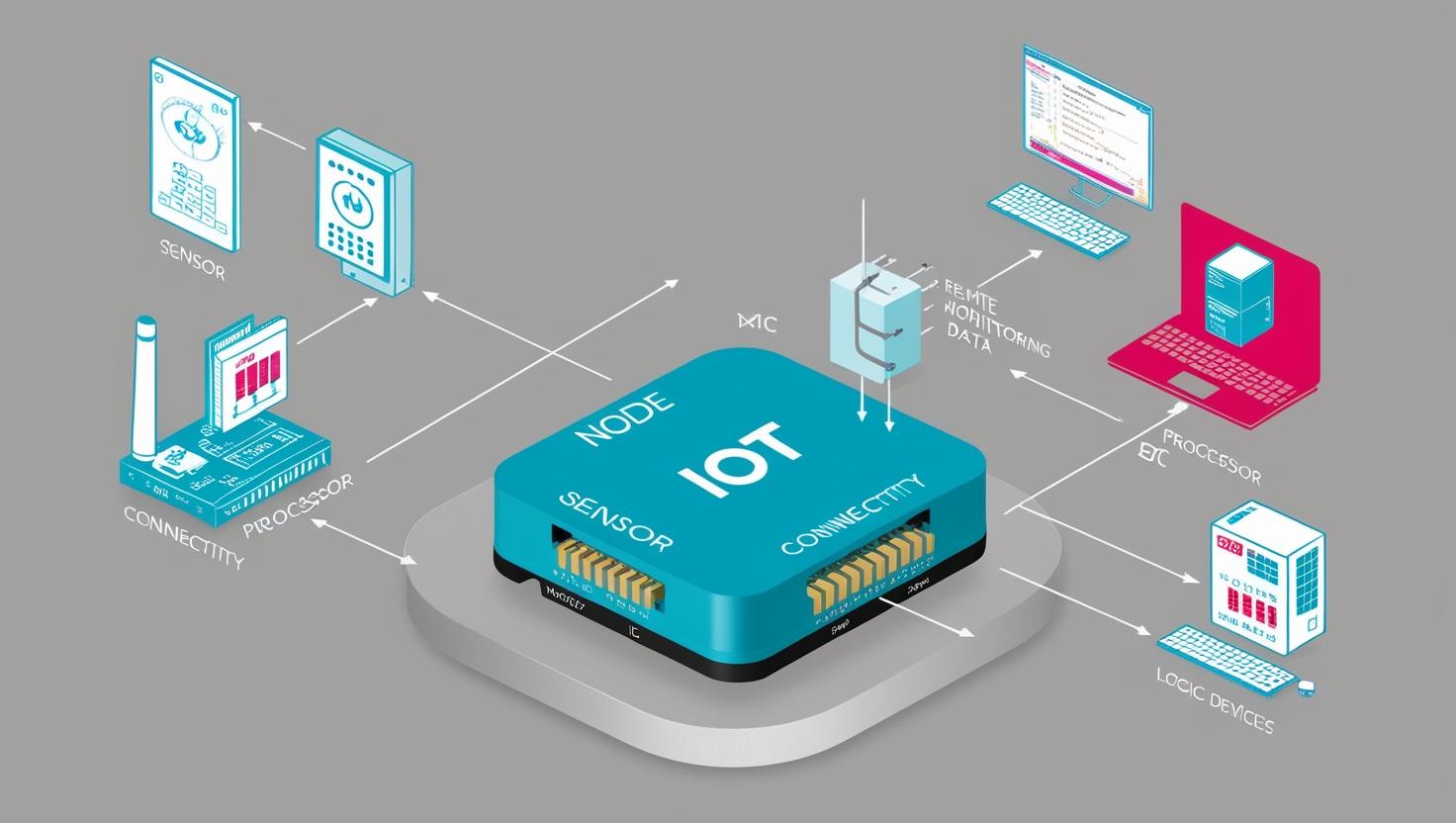
One of the most important insights from the latest IoT Technology Market Statistics is the growing scale of connected ecosystems. IoT enables sensors, processors, connectivity technologies, software platforms, and cloud systems to work together and generate actionable information.
Businesses are increasingly using connected technologies to monitor assets, automate processes, optimize resources, improve customer experiences, and make faster decisions. At the consumer level, smart homes, wearable devices, connected appliances, and electronics are expanding the number of connected endpoints.
This convergence is turning connectivity into an essential component of modern digital infrastructure.
Internet Penetration Is a Fundamental Growth Driver
The global rise in internet penetration is one of the key factors supporting the IoT Technology Market. Greater access to high-speed networks allows connected devices to exchange information in real time and supports remote monitoring, automation, and data-driven decision-making.
As network infrastructure expands, IoT deployments can move into environments where reliable connectivity was previously difficult to achieve. This is particularly important for industrial facilities, healthcare systems, transportation networks, smart buildings, and geographically distributed assets.
5G Is Expanding the Possibilities of IoT
The continued deployment of 5G networks is another important trend reflected in the IoT Technology Market Statistics. 5G can provide higher speeds, lower latency, and support for large numbers of connected devices.
These capabilities can enable more sophisticated IoT applications across smart cities, connected vehicles, healthcare, transportation, and industrial environments. The combination of 5G with edge computing and AI can also enable faster processing of data closer to where it is generated
AI Turns IoT Data Into Intelligence
IoT generates enormous quantities of data, but the real business value comes from the ability to interpret that data and act on it. This is where artificial intelligence and advanced analytics are becoming increasingly important.
AI can analyze information collected from connected devices to identify patterns, generate predictive insights, automate processes, and support decision-making. In manufacturing, for example, IoT and AI can contribute to predictive maintenance and production optimization. In transportation, connected systems can support intelligent routing and autonomous applications.
The convergence of IoT + AI + edge computing is therefore creating a more intelligent connected economy.
Download PDF Brochure @ https://www.marketsandmarkets.com/pdfdownloadNew.asp?id=258239167
Software Is Becoming a High-Growth Opportunity
Among the market segments covered by MarketsandMarkets, the software solution segment is expected to register the highest growth rate. The segment includes data management, real-time streaming analytics, network bandwidth management, remote monitoring, and security solutions.
This growth reflects an important evolution in IoT. Connecting devices is only the beginning. Organizations also need software capable of managing devices, processing massive amounts of data, maintaining security, and turning information into useful insights.
As IoT ecosystems become more complex, software is likely to become increasingly important to the overall value proposition.
Processors Power the IoT Ecosystem
Processors are expected to account for the largest share within the IoT node-component segment during the forecast period, according to MarketsandMarkets. IoT devices require processing capabilities to handle data, connectivity, and device functionality across applications ranging from smart homes and healthcare to agriculture, manufacturing, and smart cities.
The continued development of more capable and efficient processors is therefore supporting the expansion of increasingly sophisticated connected devices.
Smart Manufacturing Accelerates Adoption
Industry 4.0 is creating significant opportunities for IoT technology. Manufacturers are deploying connected sensors, equipment, software platforms, and analytics systems to improve operational efficiency and production performance.
IoT can support applications such as predictive maintenance, equipment monitoring, process optimization, inventory management, and quality control. The ability to collect and analyze operational data in real time allows manufacturers to move toward more proactive and data-driven production environments.
This makes industrial IoT one of the most important contributors to the broader connected-economy transformation.
Smart Homes and Consumer IoT Continue to Expand
The consumer side of the market is also contributing to IoT growth. Connected appliances, smart security systems, wearable devices, and consumer electronics are increasing the number of IoT endpoints in residential environments.
The growing adoption of smart home devices is identified by MarketsandMarkets as a key market driver. Connected homes can provide consumers with greater convenience, automation, remote monitoring, security, and energy-management capabilities. M
As device ecosystems become easier to integrate, consumer IoT is expected to remain an important part of the market.
Asia Pacific Leads the Growth Story
Regional IoT Technology Market Statistics highlight Asia Pacific as a particularly important growth market. The region is projected to be the fastest-growing market during the forecast period, supported by digital transformation, government initiatives, investments in 5G and AI, smart-city development, and expanding industrial IoT adoption.
MarketsandMarkets projects the Asia Pacific IoT technology market to grow from USD 260.76 billion in 2025 to USD 351.03 billion by 2030, representing a 6.1% CAGR.
The region’s large technology ecosystem, manufacturing base, connected-device adoption, and investments in digital infrastructure create strong conditions for continued IoT expansion.
Data Management Becomes Critical
As the number of connected devices grows, the amount of generated data grows with it. This makes data management a critical part of the IoT ecosystem.
MarketsandMarkets identifies data management software as the largest segment within IoT software solutions. These technologies help organizations manage large volumes of data generated by heterogeneous connected devices while addressing issues related to security, privacy, and interoperability.
The ability to manage and extract value from IoT data will increasingly differentiate successful deployments from basic connectivity projects.
Security Remains a Major Concern
The rapid expansion of connected devices also creates new security and privacy challenges. IoT environments can involve large numbers of devices communicating across networks and exchanging potentially sensitive information.
According to MarketsandMarkets, data security and privacy concerns represent a key restraint for the market. Cyberattacks, unauthorized access, and data breaches can create risks for consumers and enterprises while increasing regulatory and compliance pressures.
As a result, cybersecurity is becoming an essential element of IoT architecture rather than an optional feature.
Interoperability Is the Next Challenge
Another challenge identified in the IoT Technology Market Statistics is interoperability. IoT ecosystems often contain devices, platforms, protocols, and technologies from different vendors.
Without common standards and effective integration, organizations may face difficulties connecting devices and managing data across heterogeneous environments. MarketsandMarkets identifies interoperability challenges and lack of common standards as significant challenges for the market.
Greater interoperability could make IoT deployments easier to scale and reduce complexity for businesses.
Where Are the Biggest Opportunities?
The next wave of IoT opportunities extends across smart cities, connected healthcare, industrial automation, intelligent transportation, smart homes, connected vehicles, and sustainable energy solutions.
IoT can provide the real-time information required to optimize infrastructure and services. Combined with AI, edge computing, and 5G, connected technologies can support predictive maintenance, autonomous systems, intelligent transportation, and other advanced applications.
Cross-domain collaboration is also emerging as an important opportunity as companies combine IoT with complementary technologies and services.
The Future of the Connected Economy
The latest IoT Technology Market Statistics show that the connected economy is becoming increasingly sophisticated. The market is no longer defined simply by the number of connected devices. Increasingly, value is being created through the combination of sensors, processors, connectivity, software, cloud platforms, AI, edge computing, and analytics.
With the global market expected to reach USD 1,148.62 billion by 2030, IoT is positioned to remain a major enabler of digital transformation
The next stage of growth will depend on how effectively organizations can convert connected-device data into actionable intelligence while addressing cybersecurity, interoperability, and skills challenges.
The IoT Technology Market Statistics reveal a connected economy that is moving from simple device connectivity toward intelligent, automated, and data-driven ecosystems. Rising internet penetration, 5G deployment, cloud adoption, AI integration, smart manufacturing, and consumer IoT are creating new opportunities across industries.
The market’s projected growth to USD 1,148.62 billion by 2030 underscores the expanding role of IoT in global technology infrastructure.
Ultimately, the future of IoT will not be determined solely by how many devices are connected. It will depend on how effectively those devices can communicate, generate insights, automate decisions, and create measurable business and societal value.
The connected economy is accelerating—and IoT is becoming the infrastructure that connects its data, decisions, and opportunities.
Frequently Asked Questions (FAQs) – IoT Technology Market Statistics
1. What is the IoT Technology Market?
The IoT Technology Market includes technologies, components, software, and solutions that enable physical devices to connect, communicate, collect data, and exchange information over networks. It covers areas such as sensors, processors, connectivity ICs, memory devices, data management, remote monitoring, and IoT security.
2. What are the latest IoT Technology Market Statistics?
According to MarketsandMarkets, the global IoT Technology Market is projected to grow from USD 959.30 billion in 2025 to USD 1,148.62 billion by 2030, registering a CAGR of 3.7% during the forecast period.
3. What is driving the growth of the IoT Technology Market?
Key growth drivers include increasing internet penetration, expanding connected-device adoption, growing investments in 5G infrastructure, rising demand for real-time data, industrial automation, smart-city development, and the integration of AI with IoT technologies.
4. How is AI influencing the IoT Technology Market?
AI enables organizations to transform data generated by connected devices into actionable insights. AI and machine learning can support predictive maintenance, anomaly detection, automation, intelligent monitoring, and faster decision-making across industrial and consumer applications.
5. What role does 5G play in IoT?
5G provides high-speed connectivity, low latency, and the ability to support large numbers of connected devices. These capabilities can facilitate advanced IoT applications in manufacturing, healthcare, transportation, smart cities, connected vehicles, and other data-intensive environments.
6. Which IoT software segment is expected to grow rapidly?
According to MarketsandMarkets, the software solution segment is expected to register the highest growth rate during the forecast period. Demand is being supported by the increasing need for data management, remote monitoring, analytics, network management, and IoT security.
