The global diabetes burden continues to rise, creating strong demand for innovative insulin delivery technologies that improve patient convenience, dosing accuracy, and treatment outcomes. Insulin delivery devices have evolved significantly over the past decade, moving beyond traditional syringes toward smart insulin pens, wearable patch pumps, connected devices, and automated insulin delivery systems. These advancements are helping patients manage blood glucose levels more effectively while improving quality of life.
Several leading companies are driving innovation in this rapidly growing sector through advanced product development, digital integration, and strategic partnerships. Below are some of the top insulin delivery device companies shaping the future of diabetes management.
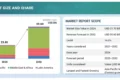
The global insulin delivery devices market is projected to reach USD 52.65 billion by 2030 from USD 35.28 billion in 2025, at a CAGR of 8.3% during the forecast period. Insulin delivery devices are medical devices designed to administer insulin, a hormone used in the management of diabetes, into the body.
Key Companies Leading the Insulin Delivery Devices Market
Medtronic is one of the most recognized players in insulin pump technology. The company offers advanced insulin pumps integrated with continuous glucose monitoring (CGM) systems to support automated insulin delivery. Its MiniMed systems are widely adopted by patients seeking improved glucose control and reduced manual intervention. Medtronic continues to focus on AI-enabled diabetes management solutions and closed-loop insulin delivery technologies.
Insulet Corporation is known for its Omnipod platform, a tubeless wearable insulin pump system that has transformed insulin administration convenience. The company’s focus on wearable, user-friendly, and connected insulin delivery systems has made it a major innovator in the diabetes care market. Omnipod systems are particularly popular among pediatric and active lifestyle patients.
Tandem Diabetes Care has gained strong market recognition through its t:slim X2 insulin pump platform. The company emphasizes touchscreen technology, software updates, and CGM integration to enhance diabetes management. Tandem’s Control-IQ technology uses automated insulin adjustments to help maintain glucose levels within target ranges, improving treatment efficiency.
Download PDF Brochure: –https://www.marketsandmarkets.com/pdfdownloadNew.asp?id=107632092
Novo Nordisk is a global leader in diabetes therapeutics and insulin pen technologies. The company manufactures prefilled insulin pens and smart insulin delivery solutions designed for ease of use and dosing accuracy. Novo Nordisk is also investing in digital health collaborations to support connected diabetes care ecosystems.
Sanofi plays a significant role in the insulin delivery market through insulin pens and injectable diabetes therapies. The company focuses on improving patient adherence and simplifying insulin administration through innovative delivery platforms and connected healthcare technologies.
Eli Lilly and Company is actively expanding its diabetes care portfolio with smart insulin pen technologies and connected solutions. The company has increased investments in digital diabetes management tools that integrate insulin delivery with real-time patient monitoring and analytics.
Ypsomed Holding AG specializes in injection and infusion systems for diabetes care. Its mylife insulin pump solutions and autoinjector technologies are gaining attention for their compact design and ease of use. Ypsomed is also expanding partnerships in connected diabetes management.
Becton, Dickinson and Company remains a key player in traditional insulin delivery products, including insulin syringes, pen needles, and safety injection systems. The company continues to innovate in needle technology to improve patient comfort and injection precision.
Emerging Trends in the Insulin Delivery Devices Market
The insulin delivery devices industry is undergoing rapid transformation due to technological advancements and rising patient demand for personalized diabetes management. Key market trends include:
- Increasing adoption of wearable insulin pumps
- Growth of smart insulin pens with Bluetooth connectivity
- Rising integration of AI and automated insulin dosing systems
- Expansion of continuous glucose monitoring compatibility
- Development of closed-loop “artificial pancreas” systems
- Growing demand for minimally invasive and user-friendly devices
Healthcare providers and patients are increasingly favoring connected diabetes care platforms that combine insulin delivery, glucose monitoring, and mobile health applications into a unified ecosystem.
Future Outlook
The future of insulin delivery devices is expected to center around automation, connectivity, and patient convenience. Companies are heavily investing in digital therapeutics, AI-driven insulin management, and integrated diabetes care solutions. As diabetes prevalence continues to increase globally, demand for efficient and personalized insulin delivery systems will likely accelerate further.
In addition, emerging technologies such as patch pumps, smartphone-controlled devices, and fully automated insulin delivery systems are expected to redefine diabetes management over the next decade. Leading companies in this space are not only improving clinical outcomes but also empowering patients with greater flexibility and control over their daily treatment routines.
With continuous innovation and growing healthcare awareness, the insulin delivery devices market is poised for strong long-term growth, making it one of the most dynamic segments within the global diabetes care industry.
Request for Sample Pages: – https://www.marketsandmarkets.com/requestsampleNew.asp?id=107632092