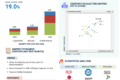
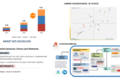
The remote monitoring market encompasses the technology sector focused on systems, sensors, and software that track, capture, and analyze operational or physiological data from a distance in real time. It serves various industries, including healthcare for continuous patient care outside clinical settings, and sectors like manufacturing and energy to enable automation, predictive maintenance, and operational efficiency.
The global environmental monitoring market was valued at USD 15.33 billion in 2024 and USD 16.10 billion in 2025, and it is projected to reach USD 21.14 billion by 2030, growing at a compound annual growth rate (CAGR) of 5.6%.
Download PDF Brochure:https://www.marketsandmarkets.com/pdfdownloadNew.asp?id=216846315
The remote monitoring market is primarily driven by the rising prevalence of chronic conditions, an aging global population, and a growing demand for healthcare automation and cost-effective care that reduces hospital readmissions. However, market growth is heavily restrained by data privacy and security concerns, potential risks of cyber-attacks on confidential patient data, and low deployment rates in low- and middle-income countries due to high implementation and infrastructure costs. Lucrative opportunities exist in the rapid adoption of artificial intelligence and advanced digital health ecosystems, alongside favorable updates to reimbursement policies and fee frameworks. Despite these prospects, the market faces key challenges, including the risk of healthcare fraud through compromised billing and data, professional resistance from practitioners, and potential issues regarding data fragmentation or reduced tracking accuracy.
The target customers for the remote monitoring market include a diverse mix of institutional healthcare providers—such as hospitals, clinics, emergency departments, and ambulatory care centers—as well as healthcare payers, home care organizations, and individual patient demographics, particularly the elderly and those managing chronic conditions like cardiovascular disease, diabetes, hypertension, and chronic respiratory illnesses. These institutional customers prioritize solutions that enhance operational efficiency, mitigate critical labor shortages, alleviate clinician burnout, and reduce costly hospital readmissions and emergency room visits. On the consumer and patient side, users value convenience, user-friendly wearable platforms, out-of-pocket affordability, and the peace of mind that comes from continuous tracking of vital signs outside traditional clinical settings. Purchasing behavior within the traditional clinical segment is heavily driven by healthcare provider recommendations, institutional procurement cycles focused on value-based care, and the expansion of insurance or Medicaid/Medicare reimbursement frameworks. Meanwhile, the consumer wellness and home healthcare segments increasingly favor direct-to-consumer online pharmacies and automated, subscription-based retail models that prioritize seamless digital health integration and proactive lifestyle optimization.
Market entry, expansion, and profitability in the remote monitoring market are heavily shaped by evolving regulatory oversight, rapid technological innovation, and distinct economic dynamics. Regulators strictly govern data-residency, cybersecurity, and digital health compliance guidelines, such as FDA mandates, which demand continuous process monitoring but can elevate costs and delay new product deployment. Technologically, the industry is undergoing rapid transformation driven by the integration of the Internet of Things (IoT), artificial intelligence, machine learning, and cloud-based platforms like SaaS SCADA, which enable real-time data analytics, predictive maintenance, and higher operational efficiency. Economically, while robust demand from industrial automation and rising chronic disease prevalence ensures a steady long-term volume baseline, market profitability faces notable headwinds from high initial capital expenditures, complex brown-field integration challenges, and intense procurement cost pressures, particularly within price-sensitive emerging regions.
The remote patient monitoring market is experiencing rapid transformation driven by the widespread shift toward home-based healthcare models, the accelerating miniaturization of wearable sensors, and the integration of artificial intelligence and machine learning to analyze large volumes of real-time clinical data. Key trends include the expansion of device capabilities beyond cardiac tracking into comprehensive disease management for chronic conditions like diabetes, hypertension, and COPD, alongside the convergence of hardware with digital health stacks, cloud-based monitoring platforms, and telehealth services. These trends are evolving at a swift pace, as evidenced by robust, double-digit growth rates across major regions, with global market projections expanding at compound annual growth rates (CAGRs) ranging from approximately 10.3% up to over 20% through the next decade, fueled by favorable regulatory environments, expanded public and private reimbursement frameworks, and an accelerating demographic pivot toward aging populations.
Download PDF Brochure:https://www.marketsandmarkets.com/pdfdownloadNew.asp?id=216846315
Technological innovations disrupting the remote monitoring market are centered on advanced data collection, artificial intelligence, and seamless connectivity. The industry is seeing significant traction in the integration of AI and machine learning algorithms that analyze continuous biometric streams to enable predictive healthcare and flag early warning signs before clinical deterioration occurs. Wearable technology is rapidly evolving beyond standard blood pressure and heart rate tracking toward fully implantable sensors, patch-based multi-analyte surface sensors, and contactless, camera-based monitoring systems that capture vital parameters without requiring physical devices. Furthermore, the convergence of these connected medical devices with high-speed 5G networks, cloud-based software platforms, and the Internet of Things (IoT) allows for real-time, high-volume data transmission, which drastically improves clinical workflow efficiency and expands the feasibility of decentralized hospital-at-home models.
In the remote monitoring market, short-term hype is primarily visible around early-stage, non-invasive tracking concepts and aggressive social media promotions for general fitness and wellness features that outpace current regulatory approvals and clinical reliability. Conversely, long-term structural shifts are firmly anchored in medical-grade infrastructure and systemic changes in healthcare delivery. These permanent transformations include the mainstream integration of artificial intelligence and machine learning for predictive data analytics, the continuous convergence of remote patient monitoring platforms with telehealth ecosystems, expanding public and private reimbursement frameworks, and a durable clinical transition toward virtualizing outpatient care to manage an aging demographic with a rising global burden of chronic conditions like cardiovascular disease and diabetes.
Source:https://www.marketsandmarkets.com/Market-Reports/environmental-monitoring-market-216846315.html