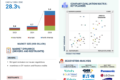
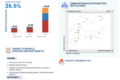
The United Kingdom surgical robots market is a steadily advancing sector characterized by a strategic transition toward robotic-assisted surgery within both NHS trusts and private healthcare providers. The landscape is defined by a strong emphasis on modernization and clinical excellence, with the government setting ambitious targets for robotic systems to support the vast majority of keyhole surgeries over the next decade to reduce patient waiting times and improve surgical precision. While the market is currently led by global players such as Intuitive Surgical, Stryker, and Medtronic, it also features a thriving domestic community of researchers and innovators focused on disruptive technologies like soft robotics and AI-driven digital surgery. This evolution is further supported by significant investments in specialized digital centers and the introduction of value assessment pathways to integrate new platforms into the healthcare system. Despite challenges related to high equipment costs, regulatory shifts following Brexit, and the need for extensive pre-operative resource planning, the market is experiencing a renaissance driven by a growing demand for minimally invasive procedures and the increasing adoption of automated solutions across diverse specialties such as urology, orthopedics, and general surgery.
Key Drivers, Restraints, Opportunities, and Challenges in the United Kingdom Surgical Robots Market
The United Kingdom surgical robots market is primarily driven by the increasing demand for minimally invasive procedures that offer greater precision, reduced recovery times, and improved patient outcomes, alongside rising NHS funding for digitized surgery programs. Technological advancements in AI-integrated systems and 3D visualization further propel growth by enhancing surgical accuracy and consistency across specialties like urology, orthopedics, and gynecology. However, the market faces significant restraints from the high capital and maintenance costs of robotic platforms, which can limit adoption in budget-constrained facilities. Opportunities abound in the expansion of AI-driven automation and the integration of robotics into broader digital care pathways to address labor strains and standardize complex treatments. Major challenges include an acute shortage of trained surgical professionals and the operational complexities of maintaining data security and cybersecurity within increasingly connected hospital systems.
Customer Segmentation, Needs, Preferences, and Buying Behavior in the United Kingdom Surgical Robots Market
The target customers for the United Kingdom surgical robots market primarily consist of large NHS trusts, private hospital groups, and ambulatory surgical centers. These institutional buyers prioritize clinical outcomes such as increased precision, reduced patient recovery times, and lower complication rates to manage rising surgical volumes and clear patient backlogs. Their preferences are shifting toward versatile platforms that support a range of specialties, including urology, general surgery, and orthopedics, as well as compact systems that integrate seamlessly with existing operating room infrastructure. Purchasing behavior is characterized by significant capital investment in robotic consoles followed by recurring expenditures for instruments and maintenance, though budget constraints in public healthcare are driving a growing interest in leasing models and Robotics-as-a-Service (RaaS) to lower upfront financial barriers. Across the sector, customers value strategic partnerships with manufacturers that provide comprehensive surgeon training and robust technical support to ensure the successful implementation of robotic-assisted surgery programs.
Regulatory, Technological, and Economic Factors Impacting the United Kingdom Surgical Robots Market
The United Kingdom surgical robots market is shaped by a complex interplay of regulatory, technological, and economic factors that influence entry and profitability. Regulatory compliance is a primary hurdle, as the Medicines and Healthcare products Regulatory Agency (MHRA) classifies these systems as high-risk Class III medical devices, necessitating rigorous safety assessments and clinical trials, further complicated by the transition from the Medical Devices Directive to the more stringent Medical Devices Regulation (MDR) and post-Brexit adjustments. Technologically, market expansion is driven by advancements in artificial intelligence, 3D visualization, and haptic feedback, which enhance precision but require significant investment in digital infrastructure and specialized training for surgical staff. Economically, while the National Health Service (NHS) increasingly funds robotic programs to improve patient outcomes and efficiency, the high upfront capital costs of $1.5–2.0 million per system and substantial annual maintenance fees can restrain profitability, especially for smaller facilities that struggle to meet the high procedural volumes required for a positive return on investment.
Current and Emerging Trends in the United Kingdom Surgical Robots Market
The United Kingdom surgical robots market is undergoing a rapid transformation driven by a strategic national commitment to scale robotic-assisted surgery to 90% of all minimally invasive procedures by 2035. This evolution is characterized by the aggressive adoption of automation across NHS trusts to improve surgical precision and reduce patient waiting times, with a specific focus on high-growth segments like orthopedics and urology. Emerging trends are evolving quickly, including the integration of artificial intelligence and machine learning for enhanced clinical decision support and the development of compact, flexible robotic platforms to support outpatient and day-case procedures. Furthermore, the market is shifting toward a recurring revenue model dominated by instruments and accessories, while the research community pioneers disruptive innovations in soft robotics and microrobotics to meet the needs of an aging population.
Technological Innovations and Disruption Potential in the United Kingdom Surgical Robots Market
Technological innovations such as artificial intelligence, machine learning, and advanced imaging are gaining significant traction and are poised to disrupt the United Kingdom surgical robots market by enhancing precision, streamlining workflows, and assisting in complex decision-making. The integration of AI-powered guidance, sharper 3D visualization, and improved articulation is enabling surgeons to work with greater consistency across specialties like urology, orthopedics, and gynecology. Furthermore, the development of decentralized and modular robotic platforms is facilitating adoption in ambulatory surgical centers, while advancements in telesurgery, soft robotics, and haptic feedback are expanding the possibilities for remote collaboration and minimally invasive interventions. Together, these innovations are shifting the industry toward a data-driven, autonomous, and patient-centric model of care that promises to reduce recovery times and improve surgical outcomes.
Short-Term vs. Long-Term Trends in the United Kingdom Surgical Robots Market
In the United Kingdom surgical robots market, temporary disruptions caused by Brexit-related regulatory transitions from the Medical Devices Directive to the Medical Devices Regulation and the immediate backlog effects of the global pandemic are viewed as short-term challenges that the sector is already moving past. In contrast, the market is undergoing a profound long-term structural shift driven by the NHS’s strategic commitment to perform 90% of minimally invasive surgeries using robotic assistance by 2035. This permanent transformation is supported by the integration of artificial intelligence for real-time clinical decision support and the adoption of “Robot-as-a-Service” models to manage high capital costs. Furthermore, the move toward decentralized care through compact, flexible robotic platforms and the expansion of telesurgery represent enduring changes aimed at addressing chronic workforce shortages and reducing patient waiting times across the national healthcare system.