The global smart irrigation market is witnessing significant momentum, driven by a convergence of technological innovations, growing environmental concerns, and the pressing need for efficient water management in agriculture. As the world grapples with the dual challenges of increasing food demand and dwindling freshwater resources, smart irrigation systems are emerging as a sustainable solution to optimize water usage and improve crop productivity. Several key trends are propelling the growth of this market, shaping its future trajectory and transforming conventional irrigation practices.
One of the most prominent trends in the smart irrigation market is the rapid adoption of Internet of Things (IoT)-enabled devices. Sensors, controllers, flow meters, and weather stations integrated with IoT technology are now widely used to collect real-time data on soil moisture, temperature, humidity, and rainfall. This data is transmitted to centralized platforms where it can be analyzed and used to automate irrigation schedules. The result is a more precise and efficient irrigation system that minimizes water waste and enhances crop health. IoT has made it possible for farmers to remotely monitor and control irrigation systems using smartphones or computers, significantly increasing operational efficiency.
Download PDF Brochure @ https://www.marketsandmarkets.com/pdfdownloadNew.asp?id=199758913
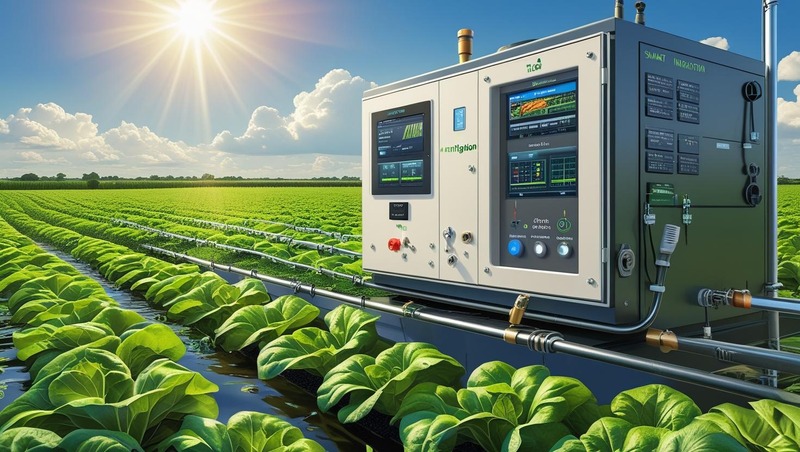
The integration of Artificial Intelligence (AI) and machine learning is another critical trend influencing the smart irrigation landscape. AI algorithms analyze large datasets to identify patterns, forecast weather conditions, and predict crop water requirements. This predictive capability allows for dynamic irrigation planning that adapts to changing environmental conditions. Machine learning models also facilitate the continuous improvement of irrigation practices by learning from historical data and optimizing future decisions. This shift towards intelligent irrigation is helping farmers reduce input costs and maximize yields.
Climate change and the increasing frequency of droughts are further intensifying the demand for water-efficient irrigation technologies. As agricultural regions around the world experience unpredictable rainfall and rising temperatures, smart irrigation offers a resilient solution to ensure crop survival and productivity. Governments and regulatory bodies are encouraging the adoption of smart irrigation through subsidies, awareness programs, and sustainable farming policies. These initiatives are fueling market expansion, particularly in water-stressed regions such as North America, the Middle East, and parts of Asia-Pacific.
Another significant trend is the rising popularity of precision agriculture, which emphasizes site-specific farming practices. Smart irrigation systems play a crucial role in precision agriculture by enabling zone-based irrigation. Using data from remote sensing, drones, and field sensors, farmers can deliver water to specific sections of a field based on soil type, crop growth stage, and moisture levels. This targeted approach ensures optimal water use, reduces resource wastage, and supports sustainable farming practices.
Cloud computing and data analytics are also transforming the way smart irrigation systems operate. Cloud-based platforms allow seamless integration of data from multiple sources, real-time analytics, and easy access to irrigation management tools. Farmers and agricultural managers can make informed decisions based on visual dashboards and performance reports, improving productivity and water use efficiency. Moreover, cloud infrastructure supports scalability, making it easier to implement smart irrigation across farms of varying sizes.
The growing involvement of agritech startups and tech giants is accelerating innovation in the smart irrigation space. These companies are introducing user-friendly mobile apps, plug-and-play devices, and AI-powered irrigation controllers that make advanced irrigation technology accessible to smallholder farmers. Strategic partnerships, mergers, and acquisitions are also contributing to the development of integrated smart farming solutions that combine irrigation with fertilization, pest control, and crop monitoring.
Increased consumer awareness and demand for sustainable agricultural practices are also shaping the smart irrigation market. Consumers are increasingly seeking food that is grown using environmentally responsible methods. This shift is motivating farmers to adopt technologies that minimize water usage, reduce chemical runoff, and promote soil health. Certification programs and sustainability standards are reinforcing this trend and encouraging the widespread adoption of smart irrigation systems.
Frequently Asked Questions (FAQs) on the Smart Irrigation Market
1. What is smart irrigation?
Smart irrigation is an advanced method of watering that uses technologies like sensors, weather data, and AI to automate and optimize water usage based on real-time environmental conditions, resulting in efficient water use, improved crop yield, and reduced wastage.
2. How does smart irrigation work?
Smart irrigation systems use soil moisture sensors, weather forecasts, and plant data to determine when and how much water to deliver; this data is processed by AI or automated controllers to adjust irrigation schedules, reducing manual intervention and conserving water.
3. What technologies are used in smart irrigation systems?
Smart irrigation systems integrate IoT-based sensors, weather forecasting modules, AI algorithms, mobile apps, soil moisture probes, and automated valves to collect data and manage irrigation intelligently across agricultural and landscape environments.
4. What are the benefits of smart irrigation?
The key benefits include water conservation, enhanced crop productivity, lower utility bills, reduced labor costs, real-time monitoring, and environmentally sustainable water usage for both agriculture and landscaping applications.
5. Which sectors use smart irrigation solutions?
Smart irrigation is used in agriculture, residential lawns, commercial landscaping, golf courses, parks, sports fields, and municipal green infrastructure, helping improve water management and plant health across a wide range of settings.
6. What role does AI play in smart irrigation?
AI in smart irrigation enables predictive decision-making by analyzing environmental data, forecasting weather patterns, and automating irrigation schedules to deliver water efficiently, minimize waste, and support precision farming practices.
See The Latest Semiconductor Reports:
Edge AI Hardware Market by Device, Processor (CPU, GPU, and ASIC), Function, Power Consumption (Less than 1 W, 1-3 W, >3-5 W, >5-10 W, and More than 10 W), Vertical and Region – Global Forecast to 2030
Precision Farming Market by Automation & Control Systems, Cloud-based Software, System Integration & Consulting Services, Guidance Technology, Variable Rate Technology, Yield Monitoring, Field Mapping, Variable Rate Application – Global Forecast to 2032
