The CBRN Defense Market (Chemical, Biological, Radiological, and Nuclear defense systems) is poised for robust expansion, growing from USD 16.1 billion in 2023 to USD 21.4 billion by 2028, at a CAGR of 5.8%. As global security challenges evolve, the demand for advanced CBRN protection across defense, homeland security, and industrial sectors is intensifying. A deep dive into the market segmentation by type, equipment, end use, and region reveals emerging trends, key growth drivers, and strategic investment hotspots shaping the future of the industry.
Download PDF Brochure @
https://www.marketsandmarkets.com/pdfdownloadNew.asp?id=112383226
Market by Type: Chemical Segment Takes the Lead
Among the different types—Chemical, Biological, Radiological, Nuclear, and Explosives—the Chemical segment is expected to dominate the market throughout the forecast period. The rise in chemical warfare threats, coupled with industrial accidents involving Toxic Industrial Chemicals (TICs) and Chemical War Agents (CWAs), is driving increased investment in chemical detection and protection.
Advanced chemical detection devices, portable identification kits, and field-ready protective gear are in high demand, particularly among military and emergency response units. As new variants of chemical agents emerge, nations are prioritizing the development of fast-response systems that can accurately identify, isolate, and neutralize chemical threats.
Market by Equipment: Protective Wearables and Detection Systems Dominate
In terms of equipment, the CBRN defense market is segmented into Protective Wearables, Respiratory Systems, Detection & Monitoring Systems, Decontamination Systems, Simulators, and Information Management Software. The Protective Wearables segment currently holds the largest share due to its critical role in safeguarding personnel during high-risk operations.
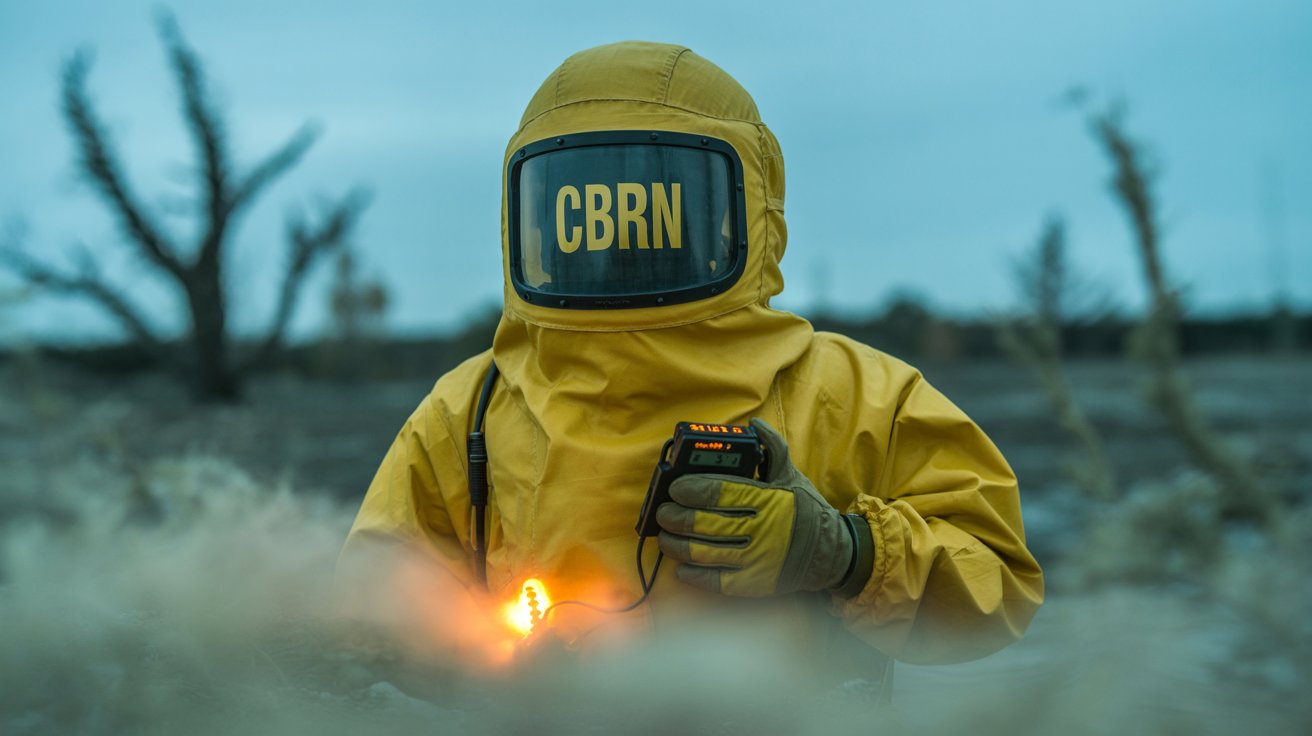
These include MOPP suits, gloves, gas masks, chemical-resistant boots, and hoods—used extensively by armed forces and first responders. Technological advancements in lightweight fabrics, embedded sensors, and integration with biometric and communication systems are fueling innovation in this space.
Meanwhile, Detection & Monitoring Systems are rapidly gaining traction due to the growing need for early warning and real-time threat assessment. These systems often utilize AI-driven analytics, IoT sensors, and remote monitoring capabilities to enhance situational awareness and accelerate response time during CBRN incidents.
Market by End Use: Defense & Government Segment Remains Dominant
By end use, the market is broadly segmented into Defense & Government and Commercial & Civil sectors. The Defense & Government segment continues to be the largest revenue contributor, driven by rising defense budgets, modernization programs, and increased procurement of advanced CBRN systems for armed forces, border control, and homeland security.
This segment includes military CBRN response teams, national guard units, and civil defense agencies. In addition to battlefield use, homeland security departments are equipping police, firefighters, and hazmat units with CBRN tools to address potential bio-terrorism and industrial accidents.
On the other hand, the Commercial & Civil sector is witnessing steady growth, especially in chemical manufacturing, pharmaceuticals, nuclear energy, and research laboratories. These sectors require strict compliance with safety standards and utilize CBRN solutions for environmental monitoring and worker protection.
Regional Insights: Asia Pacific Leads Global Demand
Geographically, the CBRN defense market is segmented into North America, Europe, Asia Pacific, Middle East & Africa, and Latin America. The Asia Pacific region is projected to witness the fastest growth through 2028, driven by geopolitical tensions, increasing terror threats, and rising military expenditures across countries like China, India, South Korea, and Japan.
- China and India, in particular, are boosting their investments in CBRN defense to strengthen border security and enhance rapid response capabilities.
- North America, with its well-established defense infrastructure, remains a mature and innovation-led market, driven by the U.S. Department of Defense’s continuous upgrades and funding.
- Europe is focusing on civil defense preparedness and joint NATO initiatives aimed at countering CBRN threats.
Emerging economies in the Middle East and Latin America are also expected to witness moderate growth due to increasing awareness, industrial development, and international collaborations.
Ask for Sample Report @
https://www.marketsandmarkets.com/requestsampleNew.asp?id=112383226
Industry Outlook: Preparing for the Future of Multi-Domain Threats
The global CBRN defense market is rapidly evolving, shaped by a combination of rising global tensions, technological innovation, and increased awareness of non-traditional threats. As the demand for comprehensive detection, protective, and response systems rises across both defense and civilian domains, stakeholders are investing in smart technologies, automation, and regional partnerships.
By analyzing the market across type, equipment, end use, and region, it becomes clear that a multi-layered, tech-driven, and region-specific approach will define the next phase of growth in the CBRN defense industry. Companies, policymakers, and security forces must align their strategies to stay ahead of emerging challenges in a volatile security environment.