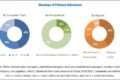
The global capnography equipment market is witnessing steady expansion, driven by the growing demand for advanced patient monitoring technologies across critical care, surgical, and emergency settings. The market is projected to grow from USD 0.53 billion in 2025 to USD 0.67 billion by 2030, registering a CAGR of 4.6% during the forecast period. This growth reflects the increasing clinical emphasis on continuous, noninvasive monitoring of respiratory function to improve patient safety and outcomes.
Capnography, which measures end-tidal carbon dioxide (EtCO₂), has become an essential tool in modern healthcare. Its ability to provide real-time insights into ventilation, perfusion, and metabolism makes it indispensable in managing patients with respiratory and cardiovascular conditions.
Market Overview and Key Growth Drivers
The capnography equipment market is expanding primarily due to the rising prevalence of respiratory and cardiovascular disorders, including chronic obstructive pulmonary disease (COPD), asthma, sleep apnea, and heart diseases. These conditions often require continuous monitoring of ventilation status, particularly in high-risk patients.
Another major growth driver is the increase in surgical procedures worldwide, accompanied by the widespread use of anesthesia and procedural sedation. Capnography devices play a crucial role in monitoring patients under anesthesia by enabling early detection of respiratory depression and airway complications.
In addition, technological advancements—such as improved CO₂ sensors, compact designs, and integration with multiparameter patient monitoring systems—are enhancing the accuracy, reliability, and usability of capnography equipment. The growing adoption of portable and noninvasive capnography systems in emergency care, ambulatory settings, and home healthcare further supports market growth.
Capnography Equipment Market Segmentation
By Product Type
The capnography equipment market is broadly segmented into capnometers, accessories, and software.
Capnometers—both standalone and handheld devices—account for a significant share of the market. Handheld capnometers, in particular, are gaining popularity due to their portability, ease of use, and suitability for emergency and point-of-care applications.
Accessories such as sensors, adapters, and sampling lines are equally critical, as they ensure accurate and uninterrupted monitoring. The recurring need for these consumables contributes to sustained revenue growth across healthcare facilities.
By Technology
Based on technology, the market includes mainstream, sidestream, and microstream capnography.
- Sidestream capnography currently holds a substantial market share due to its versatility and effectiveness across a wide range of clinical environments, including emergency departments and procedural sedation.
- Microstream capnography is witnessing growing adoption because of its compact design and low sampling flow rate, making it ideal for portable and wearable monitoring solutions.
- Mainstream capnography, however, remains widely used in hospitals and operating rooms, offering real-time, highly accurate CO₂ measurements directly at the airway.
The continued evolution of these technologies is expanding the scope of capnography applications across care settings.
By Application
The application landscape of the capnography equipment market includes trauma and emergency care, cardiac care, and respiratory monitoring.
Trauma and emergency care currently dominate the market, as rapid assessment of ventilation status is critical in life-threatening situations. Capnography enables clinicians to quickly confirm airway placement, detect respiratory compromise, and guide timely interventions.
At the same time, cardiac care represents a key growth area. Continuous EtCO₂ monitoring helps detect early signs of cardiac arrest, ventilation-perfusion mismatch, and postoperative complications during cardiac surgeries. With the global rise in cardiovascular diseases, the demand for capnography devices in cardiac care units and operating rooms continues to grow.
By End User
Hospitals and clinics are the leading end users of capnography equipment, driven by high patient volumes and the need for continuous monitoring in operating rooms, ICUs, and emergency departments. However, ambulatory surgery centers (ASCs) and home healthcare settings are emerging as fast-growing segments.
The shift toward home-based care and remote patient monitoring is accelerating the adoption of portable capnography systems, particularly for patients with chronic respiratory conditions. This trend aligns with broader healthcare goals of reducing hospital stays and improving patient comfort.
Regional Insights: Asia Pacific Shows Strong Growth Potential
While North America and Europe remain mature markets, the Asia Pacific region is expected to register the highest CAGR during the forecast period. This growth is fueled by increasing rates of respiratory disorders, rising surgical volumes, and rapid improvements in healthcare infrastructure across developing economies.
Growing awareness of patient safety, expanding access to advanced monitoring technologies, and strategic investments by global manufacturers are further strengthening the regional market outlook.
Challenges and Market Restraints
Despite its positive growth trajectory, the capnography equipment market faces challenges related to complex regulatory frameworks. Devices must comply with stringent approval requirements from regulatory authorities such as the US FDA and the European Medicines Agency (EMA). Lengthy approval timelines, high development costs, and varying regional regulations can delay product launches and limit market entry, particularly for smaller manufacturers.
Emerging Opportunities and Competitive Landscape
An important opportunity lies in the growing availability of clinical research evidence supporting the effectiveness of capnography in improving patient outcomes. Studies highlighting its role in reducing anesthesia-related complications and enhancing respiratory safety are driving wider clinical adoption.
Major market players are actively pursuing organic and inorganic growth strategies, including product innovation, partnerships, and collaborations. For instance, strategic alliances between established companies are accelerating access to advanced patient monitoring technologies and expanding global market reach.
Conclusion The capnography equipment market is positioned for sustained growth through 2030, supported by rising respiratory and cardiovascular disease prevalence, increasing surgical procedures, and ongoing advancements in patient monitoring technologies. As healthcare systems continue to prioritize patient safety, early diagnosis, and noninvasive monitoring, capnography will remain a critical component of modern clinical practice—creating long-term opportunities for manufacturers, healthcare providers, and investors alike.