The global smart home market is undergoing a significant transformation, driven by the growing demand for convenience, security, energy efficiency, and connected lifestyles. As digital technologies continue to integrate seamlessly into everyday living, smart homes are evolving from a luxury concept into a mainstream necessity. The market is projected to reach $139.24 billion by 2032, reflecting robust growth fueled by advancements in IoT, artificial intelligence, and automation.
The Rise of Connected Living
Modern consumers are increasingly seeking intelligent solutions that simplify daily routines while enhancing comfort and safety. From voice-controlled assistants to automated lighting and security systems, smart home technologies are redefining how people interact with their living spaces. The proliferation of high-speed internet, smartphone penetration, and affordable smart devices is further accelerating adoption across both developed and emerging economies.
Market Segmentation by Product
Lighting Control systems are gaining traction as homeowners prioritize energy efficiency and ambiance customization. Smart lighting solutions enable remote access, scheduling, and integration with other devices, making them a foundational component of connected homes.
Smart Speakers have become central hubs in smart home ecosystems. With voice assistants enabling hands-free control, these devices are driving user engagement and acting as gateways to broader home automation.
Entertainment and Other Controls are enhancing in-home experiences through connected TVs, streaming devices, and centralized control systems that allow users to manage multiple devices effortlessly.
Smart Kitchen solutions are transforming cooking and food management through connected appliances such as smart refrigerators, ovens, and dishwashers, improving efficiency and reducing waste.
HVAC Control systems are playing a crucial role in energy management. Smart thermostats and climate control solutions help optimize energy consumption while maintaining comfort.
Security & Access Control remains one of the most critical segments, with increasing adoption of smart locks, surveillance cameras, and alarm systems to ensure safety and real-time monitoring.
Home Healthcare is an emerging segment, leveraging connected devices to monitor health conditions, support elderly care, and enable remote diagnostics.
Home Appliances are becoming smarter, with connectivity features that allow remote operation, predictive maintenance, and enhanced performance.
Download PDF Brochure @ https://www.marketsandmarkets.com/pdfdownloadNew.asp?id=121
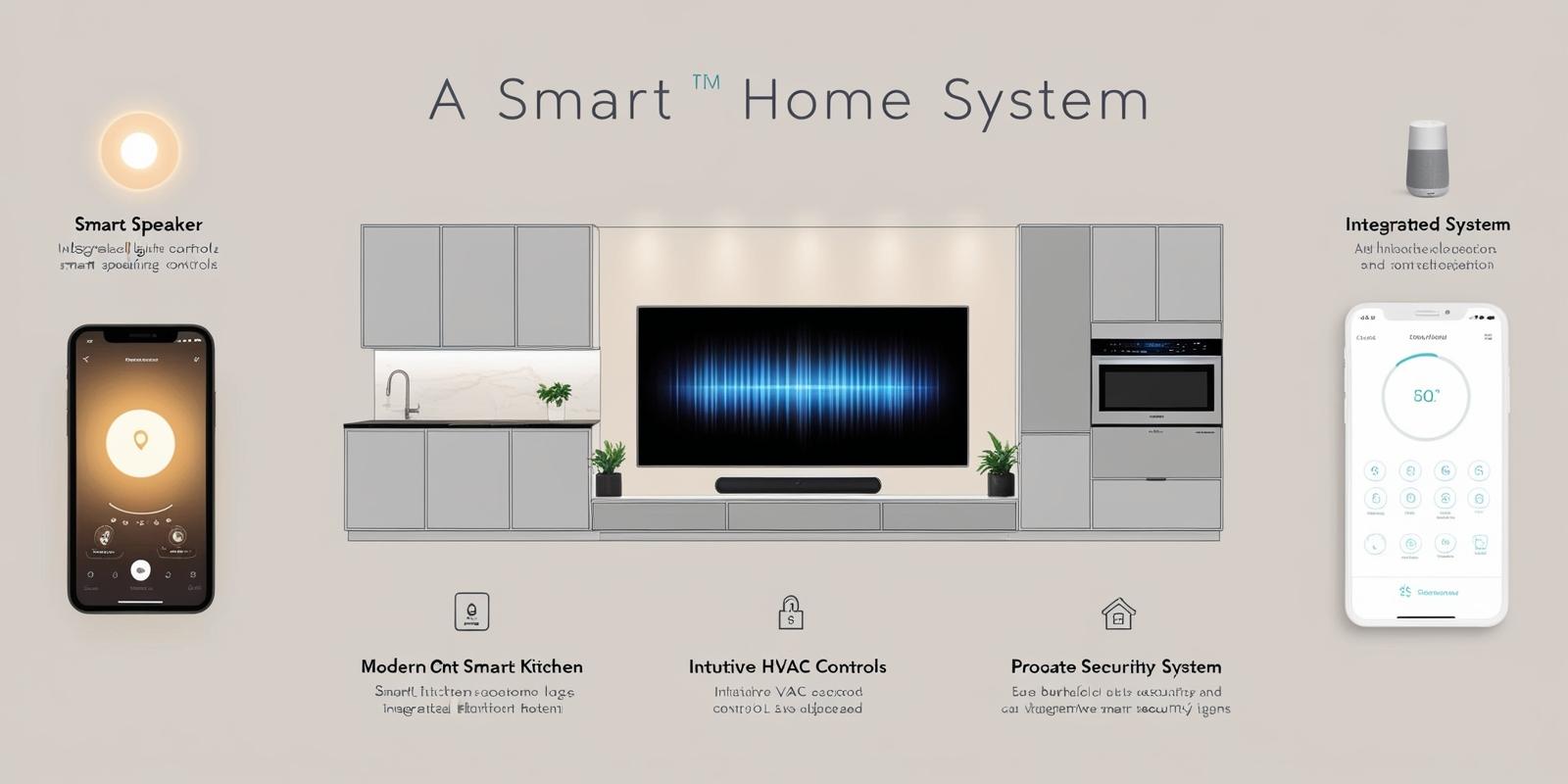
Market Segmentation by Offering
Behavioral Solutions rely on user-defined inputs and manual controls to automate tasks. These systems learn from user behavior over time, enabling personalized experiences while maintaining user control.
Proactive Solutions represent the next generation of smart home technology. Powered by AI and advanced analytics, these systems anticipate user needs and make autonomous decisions, delivering a truly intelligent living experience.
Key Growth Drivers
The smart home market is being propelled by several key factors:
- Increasing adoption of IoT-enabled devices
- Growing awareness of energy conservation and sustainability
- Rising concerns around home security and safety
- Advancements in AI, machine learning, and voice recognition technologies
- Expanding urbanization and disposable incomes
Regional Insights
North America currently leads the market, supported by early technology adoption and strong infrastructure. Europe follows closely, driven by regulatory focus on energy efficiency and sustainability. Meanwhile, Asia-Pacific is emerging as the fastest-growing region due to rapid urbanization, expanding middle-class populations, and increasing investments in smart city initiatives.
Challenges and Opportunities
Despite its promising growth, the market faces challenges such as data privacy concerns, interoperability issues, and high initial costs. However, ongoing innovation, standardization efforts, and decreasing device costs are expected to address these barriers.
The Future of Smart Homes
As technology continues to evolve, the concept of smart homes will expand beyond automation to create fully integrated, intelligent ecosystems. The convergence of AI, IoT, and cloud computing will enable homes that not only respond to user commands but also anticipate needs, optimize resources, and enhance overall quality of life.
In conclusion, the global smart home market is set to witness remarkable growth, driven by the increasing demand for connected living. As consumers embrace digital transformation in their personal spaces, smart homes are poised to become the cornerstone of modern living.
Frequently Asked Questions (FAQs)
1. What is the projected size of the global smart home market?
The global smart home market is expected to reach $139.24 billion by 2032, driven by increasing demand for connected and automated living solutions.
2. What are the key factors driving the smart home market growth?
Major growth drivers include:
Rising adoption of IoT-enabled devices
Increasing focus on energy efficiency
Growing demand for home security solutions
Advancements in AI and automation technologies
Expanding urbanization and smart city initiatives
3. Which product segment holds significant market share in smart homes?
Key product segments include:
Lighting Control
Smart Speakers
Security & Access Control
HVAC Control
Smart Kitchen
Among these, security systems and smart speakers are witnessing particularly strong adoption.
4. What is the difference between behavioral and proactive smart home systems?
Behavioral systems rely on user-defined inputs and learned patterns.
Proactive systems use AI to anticipate user needs and automate decisions without manual intervention.
5. How are smart speakers contributing to market growth?
Smart speakers act as central control hubs, enabling voice-based interaction and seamless integration with other smart devices, making them a key driver of adoption.
6. Which regions are leading the smart home market?
North America leads due to early adoption and strong infrastructure
Europe follows with a focus on energy efficiency
Asia-Pacific is the fastest-growing region due to rapid urbanization and rising incomes
